
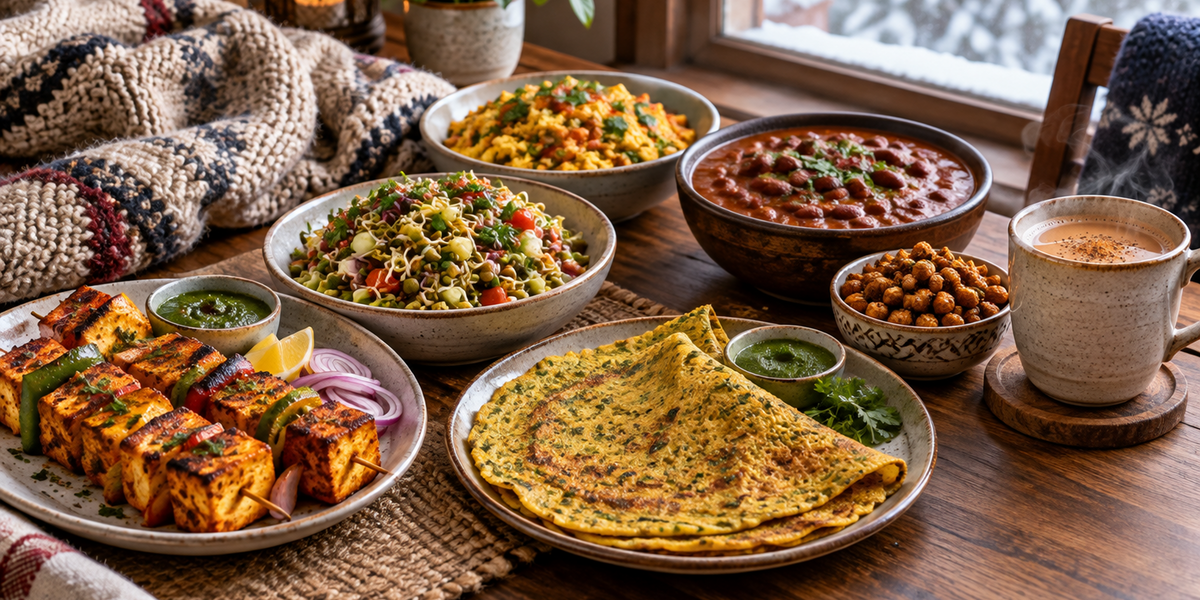
Winter is a great time to focus on your fitness goals. Seasonal vegetables and protein-rich Indian foods make it easier to enjoy warm, filling meals while staying on track. Weight loss in winter isn't about eating less but choosing the right foods, especially protein, to support fat loss and preserve muscle. This guide covers common myths, protein-rich foods, a weekly diet plan, and supplements to support your fitness journey.
How to Build a High-Protein Weight Loss Diet for Winter
Building an effective winter weight loss diet starts with understanding what your body actually needs in the cold months. Protein keeps you full, protects your muscle during a calorie deficit, and has a higher calorie-burning effect during digestion compared to carbs or fats. Pair that with warming Indian foods, structured meals, and consistent training, and winter becomes a genuinely powerful season for fat loss. Learning how protein powder supports fat loss effectively is a great first step toward building a plan that actually delivers results.
Winter Weight Loss Myths Debunked
A lot of what people believe about weight loss during winter is either exaggerated or completely wrong. Clearing these up helps you focus your effort on what actually works.
Cold Weather Calorie Burn Myth
Many people assume that cold weather automatically burns significantly more fat because the body works harder to stay warm. In reality, the extra calorie burn from cold exposure is quite small and is almost always outweighed by the increase in appetite that cold weather triggers. Relying on the cold to do the work for you, without adjusting your diet and training, will not produce meaningful weight loss results.
Real Reasons Winter Weight Creeps Up
Winter weight gain happens because appetite increases, physical activity decreases, and high-calorie comfort foods become much more appealing when it is cold outside. Shorter days also reduce exposure to sunlight, which affects mood and can lead to emotional or boredom-driven eating. These are behavioural and hormonal patterns, not a fixed biological destiny, and they can be managed with the right plan.
Hidden Calories in Festive Foods
Indian winters come packed with festivals, weddings, and social gatherings where high-calorie sweets, fried snacks, and rich curries appear regularly. These festive foods can add hundreds of extra calories in a single sitting without feeling like a full meal. Being aware of portion sizes, choosing protein-rich options first at gatherings, and not arriving hungry at events are three practical strategies for managing festive calorie intake.
Why Weight Loss in Winter Works
Your body is in a productive state during winter because cooler temperatures slightly elevate your metabolic rate, and high-protein warming foods naturally keep hunger under control. Seasonal Indian vegetables like methi, palak, and mooli are low in calories but high in fibre and nutrients, making them ideal for a calorie-deficit diet. With the right structure, weight loss in winter is not just possible; it is genuinely easier than in summer for many people.
|
Common Myth |
What Actually Happens |
|
Cold weather burns extra fat |
Calorie burn rises only slightly, and appetite usually rises more |
|
Warm food always means heavy food |
Soups, dal, and sabzis can be warming and low in calories |
|
Skipping meals speeds up fat loss |
It often leads to overeating and muscle loss |
|
Protein shakes replace meals |
Shakes fill protein gaps, but whole foods stay the base |
Winter Fat Loss Protein Rules
Protein is the most important macronutrient in any fat loss plan, and in winter it does double duty by keeping you warm through its high thermic effect and keeping hunger under control through the cold hours of the day.
Protein Grams Per Day Explained
For weight loss, most adults need between 1.6 and 2.2 grams of protein per kilogram of body weight every day to preserve muscle while losing fat. A 60 kg person, for example, should aim for roughly 96 to 132 grams of protein daily spread across all meals. Hitting this target consistently through Indian foods and supplements is what makes the difference between losing fat and losing both fat and muscle.
Spreading Protein Across Four Meals
Your body can only use a limited amount of protein for muscle repair at one time, so spreading your intake across three to four meals is more effective than eating most of it in one sitting. Aim for 25 to 35 grams of protein per meal, which you can reach through combinations of dal, curd, eggs, paneer, chicken, and a quality protein supplement. This approach keeps muscle protein synthesis active throughout the day and reduces hunger between meals.
Protein First Eating Order at Meals
Eating your protein source first at every meal, before the roti or rice, slows down how quickly you eat and signals fullness hormones earlier in the meal. This simple habit has been shown to reduce total calorie intake at meals without any conscious restriction. Starting with dal, curd, or eggs before reaching for carbohydrates is one of the easiest and most effective fat loss habits you can build this winter.
Signs You Are Eating Too Little Protein
If you feel hungry again within two hours of a meal, experience constant cravings for sweet or salty foods, or notice your strength dropping in the gym, your protein intake is likely too low. Muscle soreness that takes longer than usual to recover from and feeling mentally foggy or low on energy are also common signs of insufficient protein during a calorie-deficit diet. Increasing your protein intake at each meal is usually the fastest fix for all of these issues.
Indian Protein Foods for Winters

India has an outstanding range of high-protein foods that are naturally suited to winter cooking and warming meal preparations.
Dal, Chana, and Rajma Choices
Masoor dal, moong dal, chana, and rajma are all excellent plant-based protein sources that form the backbone of a vegetarian high-protein winter diet. A bowl of cooked dal provides 12 to 15 grams of protein and pairs naturally with seasonal sabzis, roti, and curd to create a nutritionally complete meal. Rotating between different types of dal and legumes through the week adds variety and covers a broader range of amino acids than relying on just one source.
Paneer, Curd, and Dairy Options
Paneer is one of the most protein-dense vegetarian foods in Indian cooking, providing around 18 to 20 grams of protein per 100 grams alongside calcium and healthy fats. Low-fat curd is another excellent daily protein source that also supports gut health through its natural probiotic cultures. Including paneer or curd in at least two meals a day is a simple and delicious way to significantly boost your daily protein intake without adding excessive calories.
Eggs, Fish, and Chicken Picks
Eggs are one of the most affordable, complete, and versatile protein sources available to non-vegetarian athletes, providing around 6 grams of high-quality protein per egg. Grilled fish like rohu, pomfret, or mackerel is rich in protein and omega-3 fatty acids that reduce inflammation and support fat loss simultaneously. Skinless chicken breast or thigh, prepared with minimal oil in Indian spices, delivers 25 to 30 grams of protein per 100 grams and fits perfectly into a winter weight loss meal plan.
Millets and Seeds With Protein
Millets like bajra, jowar, and ragi are traditional Indian winter grains that provide both protein and complex carbohydrates in one warming food. Bajra roti in particular is a winter staple that pairs well with saag, dal, or sabzi and provides meaningful warmth alongside a moderate protein contribution. Seeds like pumpkin seeds, flaxseeds, and hemp seeds add protein, healthy fats, and micronutrients to salads, curd bowls, and smoothies with minimal preparation effort.
Weekly Winter Diet Plan Chart
|
Day |
Breakfast |
Lunch |
Dinner |
|
Monday |
Moong dal chilla with curd |
Dal, roti, sabzi, salad |
Paneer bhurji with vegetable soup |
|
Tuesday |
Egg bhurji or besan chilla |
Rajma, brown rice, salad |
Grilled fish or tofu with sautéed vegetables |
|
Wednesday |
Oats with nuts and milk |
Chana masala, roti, cucumber raita |
Palak dal with one roti |
|
Thursday |
Vegetable poha with peanuts |
Chicken or soya curry, roti |
Mixed vegetable and lentil soup |
|
Friday |
Paneer paratha (less oil) with curd |
Kadhi, millet roti, salad |
Egg curry or sprouts stir-fry |
|
Saturday |
Idli with sambar |
Dal, rice, sabzi |
Tandoori chicken or paneer tikka with salad |
|
Sunday |
Besan or egg omelette with toast |
Khichdi with curd |
Light dal soup with salad |
Protein Supplements for Fat Loss

Supplements are not a shortcut. They are tools that help you hit your daily protein targets consistently when food alone is not enough, especially on busy days or after hard training sessions.
Choosing Whey Isolate or Concentrate
Whey protein isolate is the better choice for weight loss because it is higher in protein per scoop, lower in fat and carbohydrates, and absorbs faster than whey concentrate. It fits into a calorie-deficit diet more cleanly and delivers more amino acids per serving without unnecessary extras. A detailed comparison in this whey isolate vs concentrate guide helps you choose the right option based on your goals, budget, and digestion.
Vegan Protein for Dairy-Free Diets
Vegetarians and vegans who want a high-protein winter diet without dairy have excellent options in plant-based protein powders made from pea, soy, or brown rice protein. These supplements are complete or near-complete protein sources that mix easily into warm oats, smoothies, or soups during winter. Plant protein powder is a practical and effective way for dairy-free athletes to meet their daily protein targets without compromising on quality or taste.
BCAA and Creatine While Cutting
BCAAs help preserve lean muscle tissue during a calorie deficit, which is especially important in winter when training intensity may be slightly lower than usual. Creatine supports strength and power output during your workouts, helping you maintain training quality even when eating in a calorie deficit. Using both alongside a high-protein diet means your body burns fat rather than muscle for energy, which is exactly what a successful winter cut requires.
Hydration Tablets for Winter Workouts
Cold weather reduces your sense of thirst, which makes dehydration a silent performance killer during winter training. Electrolyte tablets dissolved in water replace the sodium, potassium, and magnesium lost through sweat quickly and without adding sugar or extra calories to your diet. Including hydration tablets for athletes in your post-workout routine is a simple habit that supports better recovery and helps you stay energised through consecutive winter training days.
|
Explosive Whey Product |
Protein or Key Spec |
Best For |
|
Athlete Series Whey Protein (100% Isolate) |
26g protein per scoop |
Competitive athletes and lean cuts |
|
Elite Series Whey Protein |
24g protein per scoop |
Daily gym-goers and first-time users |
|
Fermented Yeast Protein |
26 to 29g protein per scoop |
Sensitive stomachs and dairy-free diets |
|
Elite Series Plant Protein |
25g protein per scoop |
Vegan and vegetarian diets |
|
Athlete Series BCAA |
2:1:1 ratio |
Muscle support during training |
|
Athlete Series Creatine |
3g per serving |
Strength and training performance |
|
Athlete Series Revive Hydration Tablets |
Electrolyte tablets |
Hydration during workouts |
Habits That Make Results Stick
The right foods and supplements do most of the nutritional work, but your daily habits determine whether the results last through winter and beyond.
Sleep and Stress Management Tips
Poor sleep raises cortisol levels, which increases fat storage around the abdomen and drives hunger for high-calorie comfort foods. Aim for seven to nine hours of quality sleep each night and manage stress through daily walks, breathing exercises, or brief meditation sessions. These two habits together have a greater impact on winter fat loss than most people realise, and they cost nothing to implement.
Winter Walking and Strength Routine
Adding 20 to 30 minutes of brisk walking to your day, especially in the morning sunlight, boosts calorie burn, improves mood, and supports vitamin D production during the shorter winter days. Pairing daily walks with two to three strength training sessions per week preserves muscle mass and keeps your metabolism elevated even during a calorie deficit. A structured strength and conditioning workout plan gives your winter training the structure needed to produce consistent fat loss results.
Tracking Progress Without Scale Stress
The scale is just one measure of progress, and it can be misleading during winter when water retention and muscle gain from strength training affect daily weight readings. Track your waist measurement, how your clothes fit, your energy levels, and your strength in the gym as equally valid indicators of real progress. Taking weekly photos in consistent lighting gives a more accurate and motivating picture of how your body is changing than the number on the scale alone.
Staying Consistent Through Festivals
Indian winters are packed with festivals, family gatherings, and weddings where food choices are harder to control. The key is to eat a high-protein meal before attending any event so you arrive less hungry and make better choices at the buffet. Enjoying festive foods in moderate portions without guilt, then returning to your plan at the very next meal, is far more effective for long-term fat loss than attempting to be perfect at every social occasion.
A high-protein Indian winter diet plan is one of the most effective and sustainable approaches to weight loss in winter available to any Indian athlete or fitness enthusiast. Build your meals around protein-rich Indian foods, follow the weekly plan as your guide, and use the right supplements to fill any gaps that food alone cannot cover. Focus on sleep, consistency, and habits that fit your lifestyle rather than extreme restrictions that fall apart by week two. Winter is not the season to slow down on your health goals. With the right plan in place, it is the season to get ahead of them.
FAQ
1. What is the best weight loss diet for winter in India?
The best weight loss diet for winter in India is a high-protein plan built around seasonal Indian foods like dal, paneer, eggs, chicken, methi, and bajra roti. Eating protein at every meal, staying in a moderate calorie deficit, and supplementing with whey protein where needed gives you the fastest and most sustainable fat loss results through the cold months.
2. How much protein do I need for weight loss during winter?
For weight loss during winter, aim for 1.6 to 2.2 grams of protein per kilogram of body weight every day, spread across three to four meals. A 60 kg person needs roughly 96 to 132 grams of protein daily to preserve muscle while losing fat through the winter season.
3. Can vegetarians follow a high-protein winter diet plan for weight loss?
Yes, vegetarians can absolutely follow a high-protein winter weight loss diet using foods like moong dal, chana, rajma, paneer, curd, and soya chunks as their primary protein sources. Adding a plant protein powder or whey protein supplement fills any remaining gaps and makes hitting daily protein targets easy and practical.
4. Which Explosive Whey protein is best for weight loss in winter?
The Athlete Series Whey Protein (100% Isolate) is the best choice for weight loss because it delivers 26 grams of protein per scoop with minimal fat and carbohydrates, making it ideal for a calorie-deficit winter diet. Vegetarians and dairy-free athletes can choose the Elite Series Plant Protein for the same high-protein benefit without any animal-based ingredients.



Leave a comment
This site is protected by hCaptcha and the hCaptcha Privacy Policy and Terms of Service apply.