
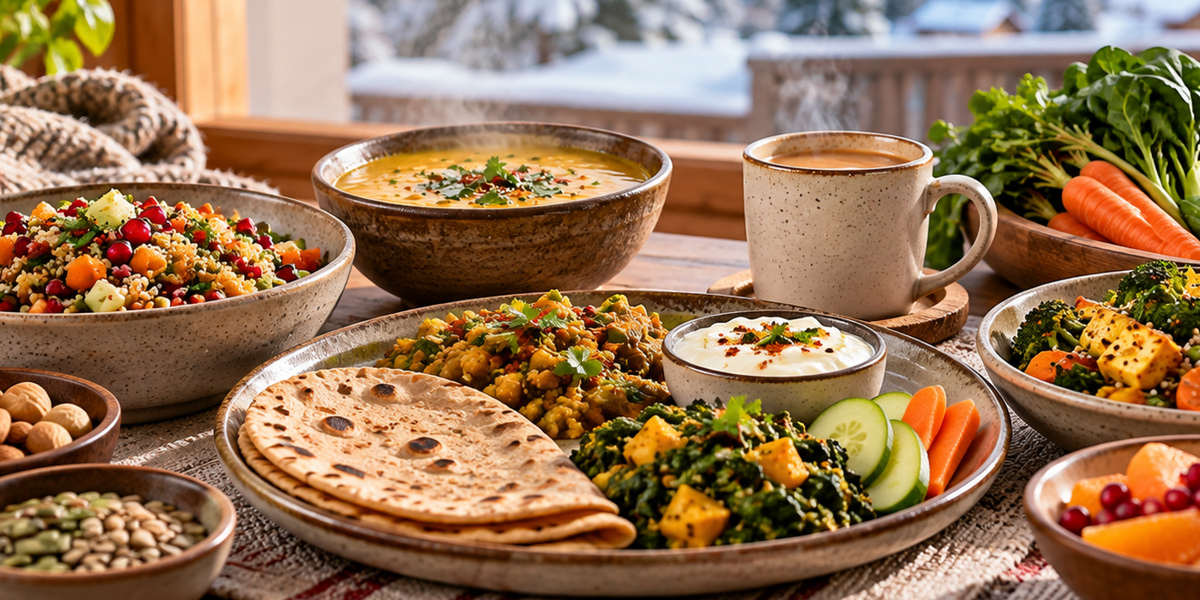
A good winter diet plan does more than just keep you warm. It strengthens your immune system, supports your energy levels, helps you manage your weight, and keeps your body feeling its best through the coldest months of the year. Indian winters bring a wonderful variety of seasonal vegetables, warming spices, and traditional superfoods that are perfect for building a healthy and nourishing daily routine. Whether you want to stay fit, lose a few kilos, or simply eat better this season, this guide gives you everything you need to build your ideal Indian winter nutrition plan.
Key Nutrition Needs During Indian Winters
Winter increases your body's need for warmth, immune support, and energy. Your diet during this season should include more immunity-boosting foods, adequate protein to preserve muscle mass, and warming nutrients like iron, zinc, vitamin C, and healthy fats that help your body function well in cooler temperatures. Including seasonal Indian winter foods like methi, sarson, gajar, and til alongside the right protein sources and supplements makes your winter nutrition plan both practical and effective.
Why Winter Nutrition Needs Special Attention
Indian winters affect your body in ways most people do not fully realise. Cold weather quietly changes your hunger, immunity, and energy in ways that your summer diet cannot always handle.
How Cold Weather Changes Nutritional Needs
When temperatures drop, your body uses more energy to maintain its core temperature, which increases your overall calorie and nutrient requirements. Your metabolism can shift during winter, making you hungrier more often and creating a tendency to reach for heavier, comfort-based foods. Adjusting your diet to meet these seasonal changes helps you stay energised and healthy instead of sluggish and heavy.
Why Immunity Drops During Indian Winters
Cold and dry air, reduced sun exposure, and increased time spent indoors all contribute to a weakened immune system during winter months. Vitamin D levels tend to fall in winter because people spend less time outdoors, which directly affects how well your immune cells function. Eating immunity-boosting foods like amla, turmeric, ginger, garlic, and citrus fruits every day is one of the most effective ways to protect your health throughout the season.
Winter Appetite Increase and Weight Gain Risk
Most people feel hungrier in winter because the body signals a need for more calories to stay warm. This natural increase in appetite, combined with less physical activity and more time indoors, creates a real risk of seasonal weight gain. Planning your meals in advance and choosing high-volume, low-calorie Indian winter foods helps you stay satisfied without adding unwanted body fat.
How Indian Winters Differ from Western Cold Climates
Indian winters, especially in states like Punjab, Rajasthan, Delhi, and Maharashtra, are milder than Western winters but still cold enough to affect your nutrition needs. The abundance of fresh winter produce in India, including sarson, methi, mooli, gajar, and bajra, gives Indian diets a natural seasonal advantage that Western diets do not always have. Using these local winter foods intelligently makes an Indian winter diet plan both affordable and highly nutritious.
Healthy Winter Foods in India

India's winter season brings some of the most nutritious and flavourful produce of the entire year. These seasonal foods form the backbone of a strong and warming winter diet.
Seasonal Vegetables that Support Winter Health
Winter vegetables like methi (fenugreek), sarson (mustard greens), palak (spinach), gajar (carrot), and mooli (radish) are rich in iron, folate, vitamin A, and vitamin C. These nutrients support immunity, red blood cell production, and skin health during the colder months. Eating these vegetables daily, whether in sabzis, soups, or parathas, is one of the simplest ways to build a nutrient-dense Indian winter diet.
Traditional Indian Winter Superfoods Explained
Foods like til (sesame seeds), gur (jaggery), bajra (pearl millet), and chikki made from peanuts and jaggery have been used in Indian homes for generations to stay warm and energised in winter. Til is rich in calcium and healthy fats that generate body heat, while bajra is high in iron and complex carbohydrates for sustained warmth and energy. These traditional superfoods are not just cultural staples; they are scientifically sound choices for winter nutrition.
Warming Spices for Immunity and Digestion
Spices like turmeric, ginger, black pepper, cinnamon, and cloves have powerful anti-inflammatory and immunity-supporting properties that are especially valuable in winter. Adding these spices to your dal, sabzi, chai, or warm milk every day helps stimulate digestion, improve circulation, and protect your body from seasonal infections. A simple haldi doodh at night or adrak chai in the morning is one of the easiest immunity-boosting habits you can build this winter.
Best Winter Foods for Energy and Warmth
Foods high in complex carbohydrates and healthy fats are your best sources of sustained warmth and energy during Indian winters. Bajra roti, makki ki roti, peanuts, sweet potato, and ghee-cooked foods all help your body generate and retain heat naturally. Pairing these warming foods with lean protein sources like dal, eggs, or paneer creates balanced meals that keep you energised and full throughout the day.
Daily Indian Winter Diet Chart
A practical daily structure makes it easy to follow your winter diet plan without overthinking every meal. Here is how to organise your day around winter nutrition.
Morning Routine and Breakfast Choices
Start your morning with a glass of warm water with lemon and honey to kickstart digestion and boost immunity. Follow it with a nourishing breakfast like bajra or makki paratha with curd, moong dal chilla with green chutney, or a warm oats bowl with nuts and seasonal fruits. Including a source of protein at breakfast keeps hunger in check and supports muscle maintenance through the cooler months.
Lunch and Afternoon Meal Strategy
Lunch should be your most substantial meal of the day in winter, giving your body the fuel it needs for afternoon energy and warmth. A balanced winter lunch includes a serving of whole grain roti or rice, a protein-rich dal or sabzi, a cooked seasonal vegetable, and a small bowl of curd. Meals like sarson da saag with makki di roti, rajma chawal, or palak paneer with roti are all outstanding Indian winter lunch options.
Evening Snacks That Warm and Nourish
Winter evenings call for warming, satisfying snacks that provide nutrients without excess calories. Good options include a small bowl of mixed dry fruits, roasted peanuts or chikki, a cup of turmeric milk, or a bowl of homemade soup made with seasonal vegetables. These snacks keep your energy steady between lunch and dinner while adding immunity-boosting nutrients to your day.
Sample Seven-Day Indian Winter Diet Chart
|
Meal |
Time |
Food Options |
Key Benefit |
|
Morning drink |
6:30 AM |
Warm water with lemon + honey or haldi milk |
Immunity and digestion |
|
Breakfast |
8:00 AM |
Bajra paratha with curd or moong dal chilla |
Warmth, protein, energy |
|
Mid-morning |
10:30 AM |
Handful of mixed dry fruits or a banana |
Sustained energy |
|
Lunch |
1:00 PM |
Sarson saag + makki roti or dal + rice + sabzi + curd |
Iron, protein, warmth |
|
Evening snack |
4:30 PM |
Roasted peanuts or chikki + masala chai |
Healthy fats, warmth |
|
Dinner |
7:30 PM |
Palak dal + 2 rotis + cooked gajar sabzi |
Iron, vitamins, protein |
|
Before bed |
9:30 PM |
Haldi doodh or whey protein shake |
Recovery and immunity |
Pairing this daily structure with a quality protein supplement like whey protein or a plant protein powder ensures your daily protein needs are fully covered even on days when food alone falls short.
Winter Diet Plan for Weight Loss
Winter is actually an ideal time to lose weight with the right plan. Your metabolism is slightly elevated as your body works to stay warm, which means your body is burning more calories throughout the day.
Why Weight Loss in Winter Is Achievable
Cold weather naturally boosts your metabolic rate, which means your body burns slightly more calories to maintain warmth compared to summer. Combine this with smart food choices, adequate protein intake, and regular exercise and you have a genuine advantage for weight loss in winter. The abundance of low-calorie, fibre-rich seasonal vegetables like palak, methi, mooli, and gajar makes building a calorie-deficit diet easy and satisfying.
High-Protein Foods That Control Winter Appetite
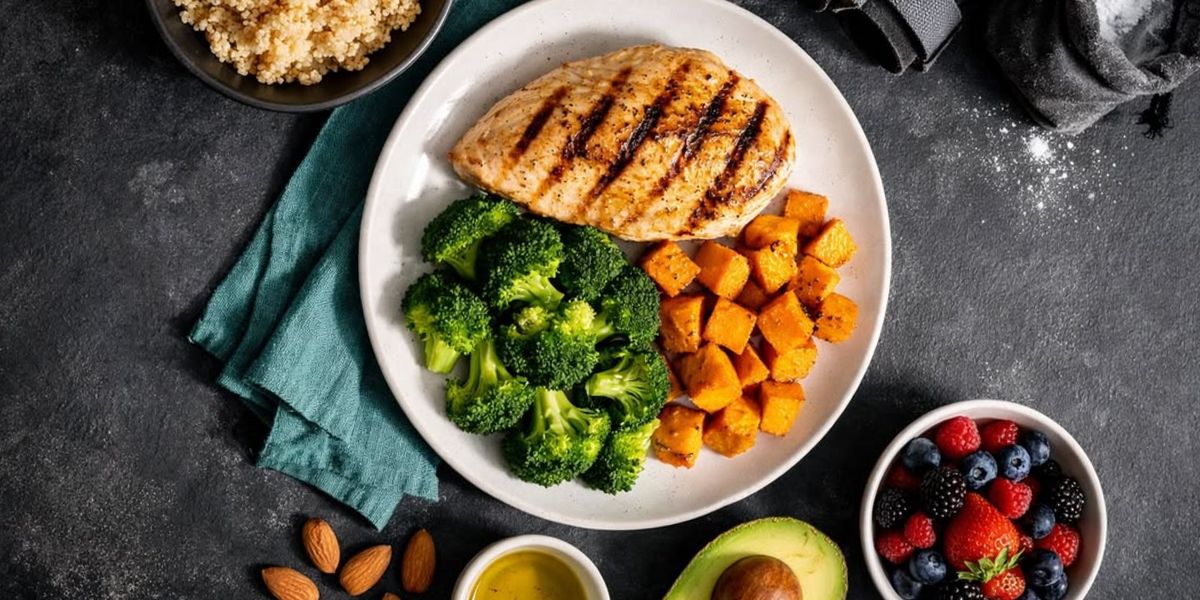
Protein is the most filling macronutrient, making it your most powerful tool for controlling winter hunger and preventing overeating. Indian high-protein winter foods include eggs, paneer, dal, chicken, soya chunks, and curd, all of which are widely available and easy to cook. Learning how to use protein powder for fat loss effectively can also help you hit your daily protein targets without adding excessive calories.
Low-Calorie Indian Winter Meal Swaps
Small food swaps make a big difference to your calorie intake without leaving you hungry. Replace maida-based snacks with roasted makhana or peanuts, swap white rice for bajra or jowar roti, and choose baked or steamed snacks over fried ones. Replacing heavy cream-based curries with tomato or spinach-based gravies is another easy swap that cuts calories while keeping flavour and nutrition high.
Exercise and Diet Combination for Winter Fat Loss
The best results in winter fat loss come from combining a calorie-controlled diet with regular exercise. Strength training preserves lean muscle mass while helping your body burn fat, and outdoor walks or runs in cool morning air add to your daily calorie burn. Following a strength and conditioning workout plan alongside your winter diet gives you the structure needed for consistent fat loss results.
Hydration and Winter Health Tips

Most people drink far less water in winter because they do not feel as thirsty as they do in summer. But your body needs just as much hydration in cold weather as in hot.
Why People Underdrink Water in Winter
Cold weather suppresses the thirst signal in your brain, which means you may not feel thirsty even when your body is dehydrated. Dry winter air also increases fluid loss through breathing and skin without you noticing. Setting reminders to drink water throughout the day and swapping some cold drinks for warm options helps you stay consistently hydrated during the winter months.
Warm Drinks that Count Toward Hydration
Herbal teas, warm lemon water, haldi doodh, adrak chai with less sugar, and vegetable soups all count toward your daily fluid intake and provide additional nutrients. These warm drinks are easy to enjoy in winter and make staying hydrated feel natural and comforting rather than forced. Including three to four cups of warm, low-sugar drinks throughout the day is a simple and effective winter hydration strategy.
Electrolyte Balance During Cold Weather Exercise
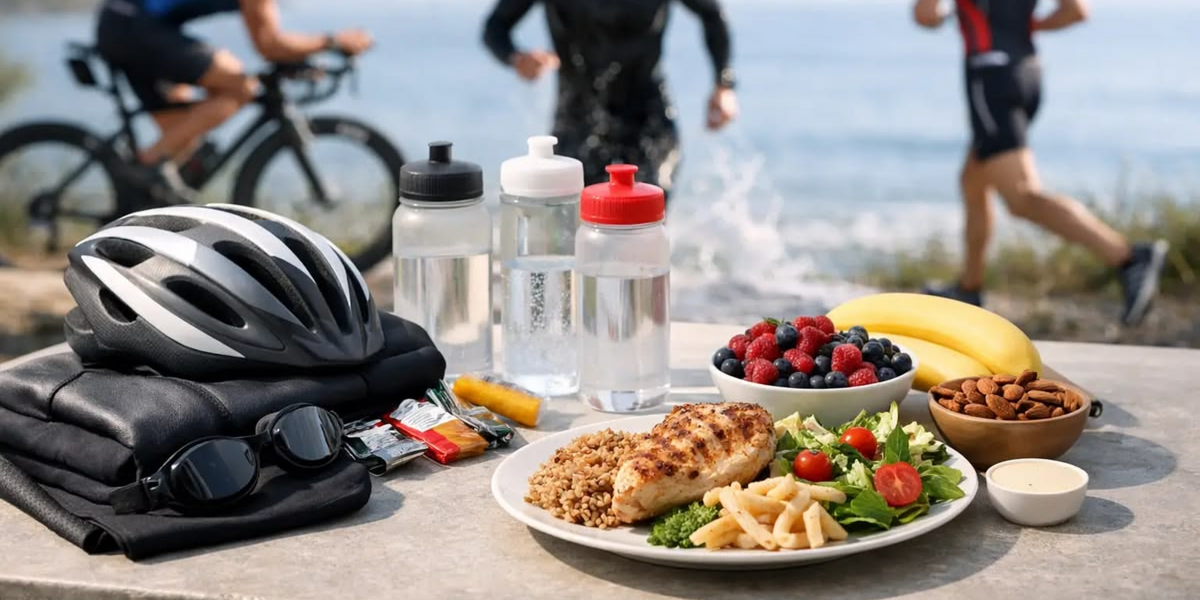
When you exercise in cold weather, you still sweat and lose electrolytes even if you do not notice it as much as in summer. Replacing sodium, potassium, and magnesium after a winter workout is just as important as it is in warmer months to prevent muscle cramps and fatigue. Using hydration tablets for athletes after your winter training sessions is a simple and effective way to restore electrolyte balance quickly.
Best Herbal Teas for Winter Immunity Support
Teas made from ginger, tulsi, cinnamon, and black pepper are natural immunity boosters that also warm the body from the inside out. Tulsi tea helps fight respiratory infections that are more common in winter, while ginger tea supports digestion and reduces inflammation. Drinking one to two cups of these herbal teas daily is one of the easiest immunity-boosting habits you can add to your winter routine.
Winter Supplements to Support Nutrition

Seasonal food covers most of your winter nutrition needs, but targeted supplements help you stay consistent and fill gaps that diet alone sometimes cannot.
Whey Protein for Winter Muscle Maintenance
Cold weather and reduced activity levels can lead to gradual muscle loss if protein intake is not maintained through the winter months. Whey protein provides a fast, convenient way to hit your daily protein targets even on days when cooking feels like too much effort. It is one of the most proven recovery supplements for athletes and works equally well for everyday fitness goals during winter.
BCAA for Recovery in Cold Weather Training
Cold weather can make your muscles feel stiffer and slower to recover after training. BCAAs support muscle repair, reduce soreness, and help maintain lean muscle mass during periods of lower training intensity like winter. The key benefits of BCAAs for muscle growth and endurance apply directly to winter training, where recovery quality often determines how consistently you can keep showing up.
Creatine for Strength During Winter Workouts
Strength levels can dip slightly in winter due to colder muscles, reduced motivation, and shorter training sessions. Creatine monohydrate supports explosive power output and helps you maintain training intensity even when the cold makes warming up feel harder. Learn how creatine supports athletic performance and why it is one of the most effective supplements to continue using through your winter training months.
Plant Protein for Vegan Winter Nutrition
For vegetarians and vegans, winter can make it harder to meet daily protein targets because heavy grain-based comfort foods tend to dominate the diet. A plant-based protein powder made from pea, soy, or brown rice protein offers a convenient and complete way to boost protein intake alongside your seasonal vegetarian winter meals. Blending plant protein into warm oats, smoothies, or soups makes it easy to use even during the coldest winter mornings.
A well-planned Indian winter diet plan is one of the best things you can do for your health, energy, and fitness during the colder months. India's winter season offers a remarkable range of seasonal vegetables, traditional superfoods, and warming spices that make eating nutritiously both easy and enjoyable. Stay hydrated with warm fluids and electrolyte support, keep your exercise consistent, and use targeted supplements like whey protein, BCAAs, creatine, and plant protein where food alone falls short.
FAQ
1. What is the best winter diet plan for Indians to stay healthy and warm?
The best Indian winter diet plan includes seasonal vegetables like methi, palak, and gajar, traditional warming foods like bajra roti and til, immunity-boosting spices like turmeric and ginger, and adequate protein from dal, paneer, eggs, or supplements.
2. Which immunity-boosting foods should Indians eat every day in winter?
Indians should eat amla, turmeric, ginger, garlic, citrus fruits, and tulsi every day in winter to support immunity. These foods are rich in vitamin C, antioxidants, and anti-inflammatory compounds that protect your body from seasonal colds, flu, and infections.
3. Can Indians lose weight in winter with the right diet plan?
Yes, weight loss in winter is very achievable because cold weather slightly boosts your metabolism and seasonal vegetables are naturally low in calories and high in fibre. Combining a protein-rich, calorie-controlled Indian winter diet with regular exercise and quality sleep creates the ideal conditions for healthy and sustainable fat loss.
4. Which protein supplement is best to use during Indian winters?
Whey protein isolate is the best all-round protein supplement for winter because it supports muscle maintenance, speeds up recovery, and is easy to add to warm drinks or oats. Vegetarians and vegans can use plant protein powder as an equally effective alternative that pairs well with traditional Indian winter meals and recipes.

Leave a comment
This site is protected by hCaptcha and the hCaptcha Privacy Policy and Terms of Service apply.