
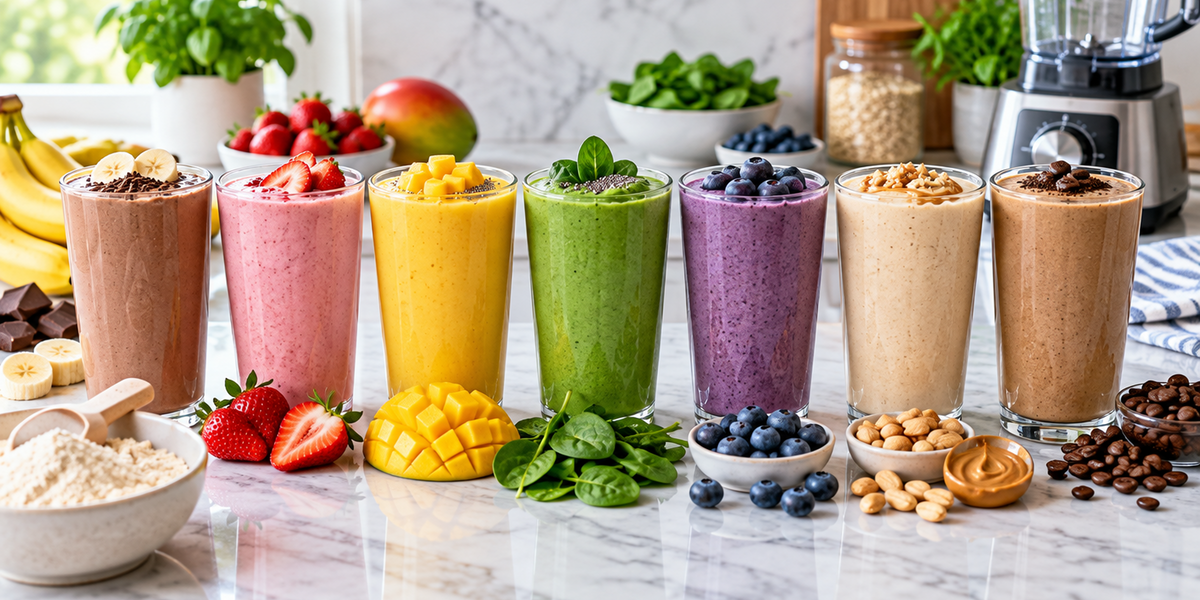
If you have been looking for a protein source that is dairy-free, easy to digest, and genuinely versatile in the kitchen, yeast protein might be exactly what you need. It is made through a natural fermentation process, packed with essential amino acids, and blends smoothly into shakes and smoothies without the heaviness or bloating that some people experience with dairy-based proteins. Whether you are vegan, lactose intolerant, or simply curious about a cleaner protein option, these seven recipes make it easy to get more protein into your day in a way that actually tastes good.
What Is Yeast Protein and How to Blend It Into Shakes
Yeast protein is a complete, plant-derived protein source that fits into almost any diet and lifestyle. Understanding what it is and how it behaves in smoothies helps you use it confidently and get the best results from every shake you make. For anyone building a complete daily nutrition plan, yeast protein is a practical and high-quality option worth knowing about.
What Is Yeast Protein Exactly
Yeast protein comes from Saccharomyces cerevisiae, the same species used in baking and brewing for thousands of years. Through modern fermentation technology, this yeast is grown, harvested, and processed to extract a highly concentrated protein powder that is clean, complete, and easy to use daily.
Fermentation Process Behind Yeast Protein
Yeast protein is made by fermenting yeast cells in a controlled environment, then separating and drying the protein-rich content to create a fine powder. This fermentation process breaks down many of the compounds that cause digestive discomfort, making the final protein easier for your body to absorb and process. The result is a pure, natural protein ingredient with no animal products involved at any stage of production.
Yeast Protein vs Nutritional Yeast
Nutritional yeast is a deactivated yeast product used mainly as a food flavouring and B-vitamin source, while yeast protein is a concentrated protein extract made specifically for nutritional supplementation. Yeast protein has a much higher protein content per gram than nutritional yeast and is processed to deliver amino acids efficiently rather than flavour. Think of nutritional yeast as a condiment and yeast protein as a performance supplement; they come from similar origins but serve very different purposes.
Is Yeast Protein Vegan-Friendly
Yes, yeast protein is 100 percent vegan because it comes entirely from a microorganism with no animal inputs at any point in the production process. It is also free from common allergens like dairy, eggs, and gluten, making it one of the most inclusive protein options available for people with multiple dietary restrictions. If you follow a vegan or plant-based diet for fitness, yeast protein fits seamlessly into your nutrition plan without compromise.
How Yeast Protein Tastes and Mixes
Yeast protein has a mild, slightly savoury or neutral flavour that blends well with both sweet and savoury ingredients without overpowering a recipe. It mixes smoothly in a blender or shaker without clumping, and its fine texture makes it one of the cleaner-blending protein powders available. When paired with fruit, nut butters, or flavoured milk in a smoothie, the taste is virtually undetectable, which makes it very easy to add to any recipe you already enjoy.
Yeast Protein Nutrition Profile Breakdown

Understanding the nutritional profile of yeast protein helps you see how it can support daily protein requirements, muscle recovery, and digestive health. Explosive Whey's Fermented Yeast Protein combines a high protein content with a naturally rich amino acid profile, digestive enzymes, and prebiotic support.
Complete Essential Amino Acid Profile
Explosive Whey's Fermented Yeast Protein provides 10.54g of Essential Amino Acids (EAAs) per serving in flavoured variants and 12.61g in the unflavoured variant. Essential amino acids play an important role in muscle maintenance, tissue repair, and overall recovery. This makes it a convenient protein option for individuals looking to meet their daily protein requirements through a dairy-free source.
Essential Amino Acids and BCAA Content
Branched-Chain Amino Acids (BCAAs), including leucine, isoleucine, and valine, are important for muscle protein synthesis and post-workout recovery. Explosive Whey's Fermented Yeast Protein delivers 5.34g of BCAAs per serving in flavoured variants and 5.86g in the unflavoured variant. These amino acids help support muscle repair and recovery, making it a useful addition to an active lifestyle.
Yeast Protein Nutritional Value Per Scoop
The protein content varies depending on the flavour. Explosive Whey's Fermented Yeast Protein delivers 26g of protein per serving in flavoured variants and 29g in the unflavoured variant. Its formula also includes Inulin (a prebiotic fibre), Sunflower Lecithin, and a digestive enzyme blend. With zero added sugar across its variants, it offers a convenient way to increase daily protein intake while supporting digestive health.
Digestive Enzymes and Prebiotic Support
What makes this yeast protein formula distinctive is its combination of a 5X Digestive Enzyme Blend and prebiotic support. The enzyme blend contains Amylase, Protease, Cellulase, Lipase, and Lactase, which help break down different components of food. It also contains Inulin, a prebiotic fibre that supports gut health. Combined with fermented yeast protein, these ingredients are designed to make protein consumption easier on the digestive system.
Top Yeast Protein Benefits Explained
Beyond the numbers on the label, yeast protein offers a range of practical benefits that make it stand out from other protein options on the market.
Muscle Recovery and Repair Support
The complete amino acid profile and high BCAA content in yeast protein make it effective for post-workout muscle recovery, helping your body repair the micro-tears in muscle tissue that occur during training. Regular use alongside regular exercise supports lean muscle growth and reduces next-day soreness over time. It works as part of a complete post-workout nutrition plan for anyone who wants a dairy-free recovery protein that performs at the same level as conventional options.
Gentle on Sensitive Stomachs
One of the most appreciated practical benefits of yeast protein is how gentle it is on digestion compared to whey or casein, which can cause bloating, gas, or discomfort in lactose-sensitive people. The fermentation process pre-digests many of the complex structures in the yeast cell, making the protein easier for your gut to process without side effects. This makes yeast protein an excellent daily protein option for anyone who has struggled with digestive issues from dairy-based protein powders in the past.
Dairy-Free Option for Daily Use
Yeast protein is completely free from dairy, making it safe and suitable for people who are lactose intolerant, have a dairy allergy, or simply choose to avoid animal products. Unlike many plant proteins that require blending multiple sources to get a complete amino acid profile, yeast protein covers everything in a single ingredient. This simplicity makes it one of the most practical dairy-free protein options for daily use across meals, shakes, and snacks.
Sustainable Protein Source Advantages
Producing yeast protein requires significantly less land, water, and carbon output than animal-based proteins, making it one of the most environmentally sustainable protein options available. As a fermentation-based product, it does not depend on crop cycles or seasonal availability the way plant-based proteins from legumes or grains do. For anyone who cares about both their own health and the environmental impact of their food choices, yeast protein is a forward-thinking option that delivers on both fronts.
Smoothie Basics Before You Blend
Before jumping into the recipes, a few quick principles help you make every yeast protein smoothie taste great, blend smoothly, and hit your nutritional goals.
Best Liquid Bases for Shakes
The best liquid bases for yeast protein smoothies are low-fat milk, oat milk, almond milk, coconut water, or plain water, depending on your calorie and flavour goals. Milk-based liquids add extra protein and creaminess, while coconut water adds natural electrolytes and a light tropical sweetness that works well with fruit-based recipes. Using around 200 to 300 ml of your chosen liquid per shake gives you a smooth, drinkable consistency without making the shake too thin or too thick.
Ideal Scoop Size and Ratios
One scoop of yeast protein per shake is the standard starting point, which typically delivers 26 to 29 grams of protein per serving. Add one to two portions of fruit or vegetables, one tablespoon of a healthy fat source like peanut butter or almonds, and your chosen liquid to build a nutritionally complete shake. This ratio keeps the shake balanced across protein, carbohydrates, and healthy fats without making it excessively high in any one macronutrient.
Blending TIPS for Smooth Texture
Add your liquid to the blender first, followed by soft ingredients, then the protein powder last to prevent it from sticking to the bottom and blending unevenly. Blend on high for 30 to 45 seconds to ensure the protein is fully incorporated and the shake has a consistently smooth texture throughout. If you are using frozen fruit or ice, add these last and blend briefly to keep the shake cold and thick without over-processing.
Balancing Flavour in Protein Shakes
Yeast protein's neutral taste means it blends into almost any flavour profile without competing with the other ingredients in your shake. If a shake tastes too bland, add a small amount of natural sweetener like honey, a ripe banana, or a date to lift the flavour without spiking the sugar content. A pinch of cinnamon, vanilla extract, or cocoa powder can also transform a plain shake into something that genuinely tastes like a treat rather than a supplement.
Easy Yeast Protein Smoothie Recipes

These four recipes are simple, affordable, and work beautifully with yeast protein as the base. Each one takes under five minutes to make and covers a different flavour and nutrition goal.
Recipe 1: Banana Peanut Butter Shake
Blend one scoop of yeast protein with one ripe banana, one tablespoon of natural peanut butter, and 250 ml of low-fat milk or oat milk until smooth. This shake delivers around 35 to 40 grams of protein, healthy fats from peanut butter, and fast-digesting carbohydrates from banana for post-workout energy. It is thick, creamy, filling, and genuinely satisfying enough to replace a full post-workout meal on busy days.
Recipe 2: Mango Lassi Protein Smoothie
Blend one scoop of yeast protein with half a cup of ripe mango, three tablespoons of low-fat curd, a pinch of cardamom, and 150 ml of cold water or low-fat milk. This Indian-inspired smoothie brings together the classic flavours of a traditional mango lassi with a significant protein boost from both the yeast protein and the curd. It works beautifully as a refreshing post-workout shake or a satisfying high-protein afternoon snack.
Recipe 3: Chocolate Oats Protein Shake
Blend one scoop of yeast protein with two tablespoons of rolled oats, one teaspoon of unsweetened cocoa powder, half a banana, and 250 ml of milk or oat milk until smooth. The oats add fibre and slow-release carbohydrates that make this shake filling enough to work as a full breakfast, while cocoa gives it a rich chocolate flavour without added sugar. This is one of the most popular high-protein breakfast ideas in shake form.
Recipe 4: Berry Spinach Green Smoothie
Blend one scoop of yeast protein with a large handful of fresh or frozen berries, one handful of baby spinach, and 250 ml of almond milk or water. The berries add natural sweetness and antioxidants while the spinach contributes iron and vitamins without affecting the flavour noticeably. This is an excellent low-sugar, nutrient-dense option for anyone targeting fat loss or simply wanting a lighter, more vegetable-rich protein shake.
More High-Protein Shake Recipes
Three more recipes to keep your smoothie routine varied and exciting through the week.
Recipe 5: Cold Coffee Protein Shake
Blend one scoop of yeast protein with 150 ml of cold brewed coffee or one shot of espresso cooled to room temperature, 100 ml of milk or oat milk, a small handful of ice, and half a banana for sweetness. This shake doubles as a pre-workout energiser and a post-workout recovery drink, combining caffeine for focus and performance with complete protein for muscle repair. It is a great morning shake for anyone who wants their protein and coffee in one quick blend.
Recipe 6: Dates and Almond Shake
Blend one scoop of yeast protein with three to four pitted Medjool dates, 10 soaked almonds, 250 ml of low-fat milk or almond milk, and a pinch of cardamom until completely smooth. Dates provide natural sweetness, iron, and quick-release energy, while almonds add healthy fats, vitamin E, and additional protein to make the shake more nutritionally rounded. This recipe is especially popular as a pre-workout or early morning shake during winter months when warming, energy-rich foods feel most satisfying.
Recipe 7: Tropical Coconut Protein Smoothie
Blend one scoop of yeast protein with half a cup of fresh or frozen pineapple, 200 ml of coconut water, a small handful of ice, and a teaspoon of desiccated coconut for texture. Coconut water provides natural electrolytes that support hydration alongside your protein intake, making this an ideal post-run shake. The tropical flavour profile is light, refreshing, and completely dairy-free, making it one of the most versatile recipes for anyone who avoids animal products.
Seven Recipes at a Glance
|
Recipe |
Key Ingredients |
Best For |
|
Banana Peanut Butter Shake |
Banana, peanut butter, milk or oat milk |
Post-workout energy |
|
Mango Lassi Protein Smoothie |
Mango, curd, cardamom |
Summer refreshment |
|
Chocolate Oats Protein Shake |
Oats, cocoa, banana |
Filling breakfast |
|
Berry Spinach Green Smoothie |
Berries, spinach, almond milk |
Light, low-sugar option |
|
Cold Coffee Protein Shake |
Coffee, ice, milk of choice |
Morning pick-me-up |
|
Dates and Almond Shake |
Dates, almonds, milk |
Natural sweetness and energy |
|
Tropical Coconut Protein Smoothie |
Pineapple, coconut water, ice |
Hydrating post-run drink |
Choosing and Using Yeast Protein
Now that you have the recipes, here is what you need to know about selecting the right yeast protein product and fitting it into your daily routine.
Fermented Yeast Protein by Explosive Whey
Explosive Whey's Fermented Yeast Protein is specifically designed for people who want a high-performance, dairy-free protein that does not compromise on amino acid quality or digestibility. It delivers 26 to 29 grams of protein per scoop with a complete essential amino acid profile, making it one of the most nutritionally dense plant protein options in the Indian market. For anyone exploring plant-based protein alternatives, this product represents a genuinely premium option that stands apart from standard pea or soy proteins.
Yeast Protein vs Whey Protein
Whey protein is faster-digesting and has a slightly higher leucine content per gram, while yeast protein is dairy-free, gentler on digestion, and equally complete in its amino acid profile. For people without dairy sensitivities, both are excellent choices, and the decision comes down to lifestyle, digestion, and personal preference rather than a significant difference in results. A full comparison of plant vs whey protein helps you decide which option fits your goals, diet, and daily routine best.
Best Time to Drink Shakes
Yeast protein shakes work well at any time of day, but the most effective windows are within 30 to 45 minutes after training for muscle recovery, first thing in the morning to break an overnight fast with quality protein, or as a mid-afternoon snack to bridge the gap between lunch and dinner. Knowing the best time to take protein helps you get more from every scoop regardless of which protein source you choose. Consistency across the day matters more than pinpoint timing for most everyday users.
Who Should Try Yeast Protein
Yeast protein is an excellent choice for vegans, vegetarians, people with lactose intolerance, those with dairy allergies, and anyone who has struggled with digestive discomfort from whey or casein-based proteins. It is also a smart option for athletes who want to diversify their protein sources rather than relying entirely on a single supplement. If you are curious about whether a plant protein powder can genuinely replace or complement your current protein supplement, yeast protein is one of the best starting points available.
Yeast protein is a genuinely impressive protein source that earns its place in any fitness nutrition plan. It is complete, clean, easy to digest, dairy-free, and versatile enough to blend into virtually any smoothie recipe you enjoy. These seven recipes give you a full week of variety so you never get bored with your protein shakes, and the nutritional profile of yeast protein means every one of them is working hard for your muscles, recovery, and overall health. Whether you use it as your main protein supplement or alongside other options, yeast protein is worth trying and easy to love once you do.
FAQ
1. What is yeast protein and how is it made?
Yeast protein is a complete, plant-based protein extracted from Saccharomyces cerevisiae yeast through a natural fermentation process. The yeast is grown, harvested, and processed to concentrate the protein content into a fine powder that is dairy-free, vegan, and rich in all nine essential amino acids.
2. What are the main yeast protein benefits for fitness?
The main yeast protein benefits for fitness include complete essential amino acid coverage for muscle repair, high BCAA content to support muscle protein synthesis, excellent digestibility that is gentle on sensitive stomachs, and a dairy-free profile that suits vegan, lactose-intolerant, and allergy-conscious athletes. It delivers 26 to 29 grams of protein per scoop with minimal fat and carbohydrates.
3. Does yeast protein contain all essential amino acids?
Yes, yeast protein is a complete protein that contains all nine essential amino acids your body cannot produce on its own, including good levels of leucine, isoleucine, and valine from the BCAA group. This makes it one of the few single-source plant proteins that can be used without combining other protein sources to cover the full amino acid spectrum.
4. How do you use yeast protein in a smoothie?
Add one scoop of yeast protein to your blender with 200 to 300 ml of your preferred liquid, one to two portions of fruit or vegetables, and an optional tablespoon of nut butter or seeds. Blend on high for 30 to 45 seconds until smooth and drink immediately. Its neutral flavour makes it easy to use in any recipe without changing the taste of your shake.


Leave a comment
This site is protected by hCaptcha and the hCaptcha Privacy Policy and Terms of Service apply.