

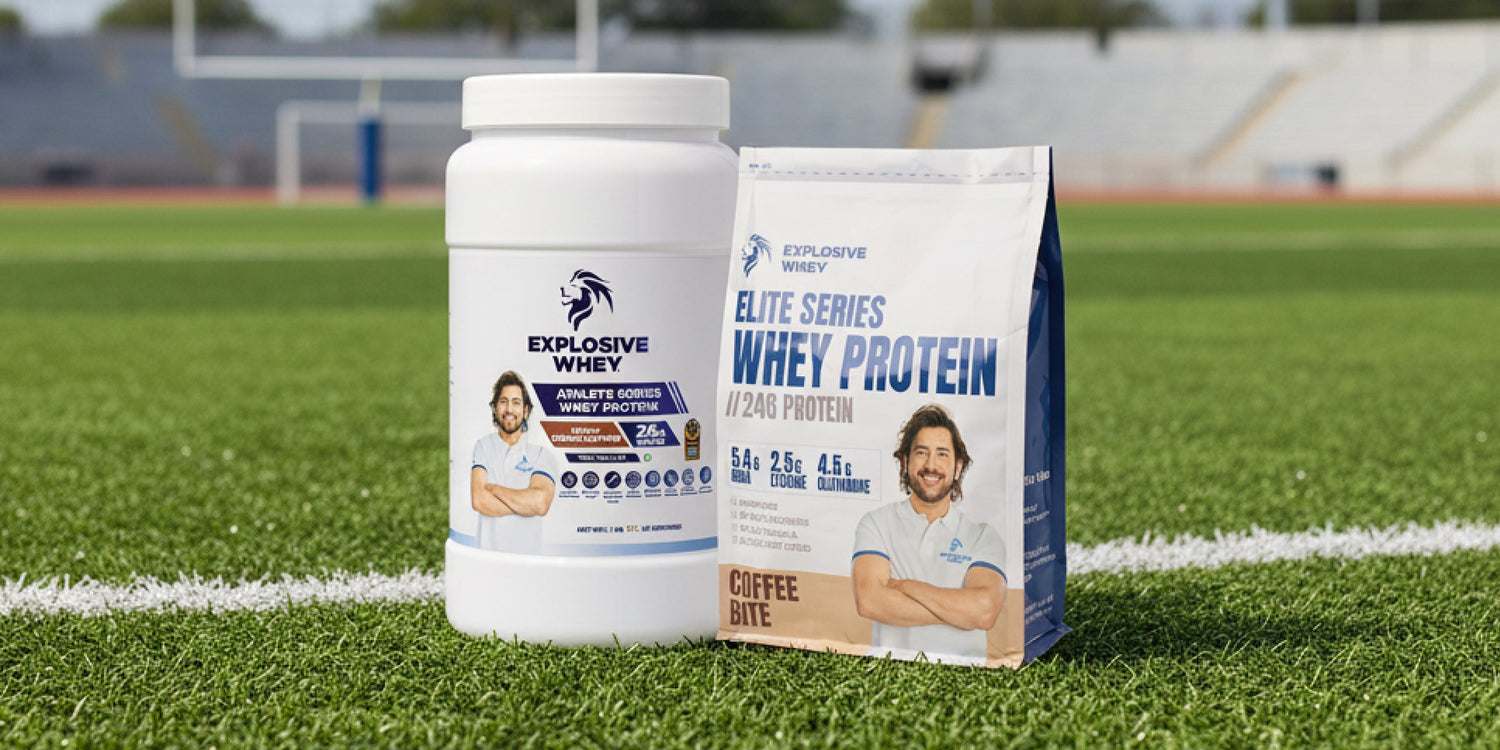
The best time to take whey protein depends on your fitness goal, daily routine, and workout schedule. Whey protein is fast-digesting and helps support muscle repair, strength, and recovery. When taken at the right time, it improves results for both weight loss and muscle gain. Understanding proper timing helps you use whey protein more effectively.
Best Time to Take Whey Protein: Explained
The best time to take whey protein varies based on how your body needs nutrients during the day. Whey absorbs quickly, making it ideal around workouts and active periods. It can be taken in the morning, after workouts, or between meals. Timing whey protein correctly improves muscle repair and energy levels.
Why Timing Your Protein Matters for Results?
Protein timing affects how well your muscles recover and grow. Taking whey at the right time improves amino acid absorption. It also reduces muscle breakdown during long gaps without food. Proper timing helps maximize performance, recovery, and body composition results.
Optimal Time to Take Whey Protein for Athletes

Athletes benefit the most from strategic whey protein timing. It supports muscle recovery, endurance, and training consistency. Different times serve different purposes depending on activity levels.
Post-Workout Muscle Recovery
Post-workout is one of the most important times for whey protein intake. Muscles are damaged after training and need fast nutrition. Whey delivers amino acids quickly to repair muscle fibers. This timing improves strength gains and reduces soreness. It is especially important after intense training sessions.
Within 30-Minutes Post Workout
Taking whey protein within 30 minutes helps start muscle repair immediately. This window allows faster nutrient absorption. Muscles use amino acids efficiently during this phase. Early intake reduces muscle breakdown. It supports quicker recovery.
Upto 60 Minutes After Exercise
Whey protein within 60 minutes still supports muscle repair effectively. This timing suits people who cannot eat immediately. Recovery benefits remain strong during this period. It helps replenish nutrients used during exercise. This timing is practical and effective.
Pre-Workout Protein Timing
Pre-workout whey protein helps prepare muscles for training. It supplies amino acids that reduce muscle breakdown. This timing improves endurance and strength output. It is useful when workouts are long or intense. Pre-workout protein supports better performance.
30-45 Minutes Before Workout
When taken 30–45 minutes before training, digests quickly. It provides amino acids during exercise. This helps protect muscles from breakdown. Energy levels stay more stable. This timing suits light to moderate workouts.
60-90 Minutes Before Intense Training
For heavy training, whey 60–90 minutes before exercise works well. It allows digestion without stomach discomfort. Muscles receive nutrients throughout the workout. This improves training quality. It is ideal for strength or endurance sessions.
Morning Protein Intake Timing
Morning is another effective time for whey protein. After overnight fasting, muscles need nutrition. Whey helps stop muscle breakdown quickly. It also boosts energy and focus. Morning intake supports daily protein needs.
Within 30 Minutes of Waking Up
Within 30 minutes of waking, refuels muscles quickly. It stops overnight muscle breakdown. This improves recovery and strength maintenance. It also supports metabolism. Morning protein sets a strong nutritional base.
With or After Breakfast
Whey with breakfast increases total protein intake. It improves meal balance and satiety. This supports energy levels throughout the morning. It also helps meet daily protein goals. This option suits busy routines.
Between Meals Protein Support
Between-meal whey protein helps maintain steady amino acid levels. It prevents long gaps without nutrition. This supports muscle preservation. It also controls hunger. This timing is useful during busy days.
2-3 Hours After Main Meals
Whey taken 2–3 hours after meals supports continuous muscle repair. It prevents muscle breakdown between meals. Energy levels stay stable. Hunger is better controlled. This improves daily nutrition balance.
Mid-Morning or Mid-Afternoon Timing
Mid-morning or mid-afternoon whey prevents energy dips. It reduces unhealthy snacking. Muscles stay nourished. This timing supports focus and productivity. It fits well into work schedules.
Before Bed Muscle Support
Night-time protein supports overnight recovery. While whey digests faster than casein, it still offers benefits. It helps prevent muscle breakdown during sleep. This timing supports recovery. It works best with light servings.
30-60 Minutes Before Sleep
Whey Protein 30–60 minutes before sleep provides amino acids overnight. It supports muscle repair during rest. Light servings prevent digestion issues. Recovery continues while sleeping. This timing supports muscle maintenance.
After Dinner But Before Sleep
Whey Protein, after dinner, fills protein gaps. It supports recovery without heavy meals. This timing is useful if dinner is low in protein. Muscles receive needed nutrients. It improves overnight repair.
Optimal Daily Whey Protein Intake for Athletes
Athletes typically need 1.6–2.2 grams of protein per kg of body weight per day. Whey protein helps meet this requirement easily. Intake should be spread across meals and workouts. Proper daily intake supports strength, recovery, and performance.
Whey Protein for an Everyday Diet

Whey protein is not only for athletes. It fits well into daily nutrition routines. Regular intake supports muscle health and energy.
Spreading Protein Intake
Spreading whey intake across the day improves absorption. It prevents muscle breakdown during long gaps. Smaller servings work better than large doses. This approach supports steady recovery. It improves overall nutrition quality.
Training Day Timing Focus [Gym goers]
On training days, whey protein timing should focus around workouts. Post-workout intake becomes a priority. Pre-workout whey improves performance. This timing maximizes muscle repair. Gym goers benefit the most from this approach.
Rest Day Protein Balance
Rest days still require protein for recovery. Whey supports ongoing muscle repair. Intake should be moderate and spread out. This prevents muscle loss. Rest day nutrition is equally important.
Lifestyle-Based Consumption
Whey timing should fit your daily routine. Busy schedules benefit from convenient protein options. Flexibility improves consistency. Consistent intake matters more than perfect timing. Lifestyle fit ensures long-term success.
Best Time to Take Whey Protein for Specific Goals

Different goals require different whey protein timing. Weight loss, muscle gain, and endurance training have unique needs. Adjusting timing improves goal-specific results.
Whey Protein for Weight Loss
The best time to take whey protein for weight loss is in the morning or between meals. It controls hunger and reduces calorie intake. Whey preserves muscle during fat loss. This supports a lean body composition. It helps manage cravings.
Whey Protein for Muscle Gain
The best time to take whey protein for muscle gain is post-workout. It delivers amino acids when muscles need them most. Pre-workout whey also supports growth. Consistent intake improves strength. Muscle gain depends on timing and quantity.
Whey Protein for Endurance Training
Endurance athletes benefit from whey after long sessions. It supports muscle repair and immune recovery. Whey reduces fatigue. It also supports faster recovery between sessions. Endurance performance improves with proper timing.
The best time to take whey protein depends on your goals, routine, and training intensity. Post-workout, morning, and between meals are the most effective times. Proper timing improves recovery, muscle growth, and weight management. When used correctly, whey protein becomes a powerful daily nutrition tool.
FAQ
1. Is post-workout the best time to take whey protein?
Yes, post-workout is one of the best times because muscles absorb protein quickly and repair faster.
2. Can I take whey protein before workout?
Yes, whey before workout helps reduce muscle breakdown and supports training performance.
3. What is the best time to take whey protein for weight loss?
Morning, between meals, or as a meal support works best for weight loss.
4. Can I take whey protein at night?
Yes, light whey intake at night can support muscle recovery, especially if daily protein intake is low.





Leave a comment
This site is protected by hCaptcha and the hCaptcha Privacy Policy and Terms of Service apply.