

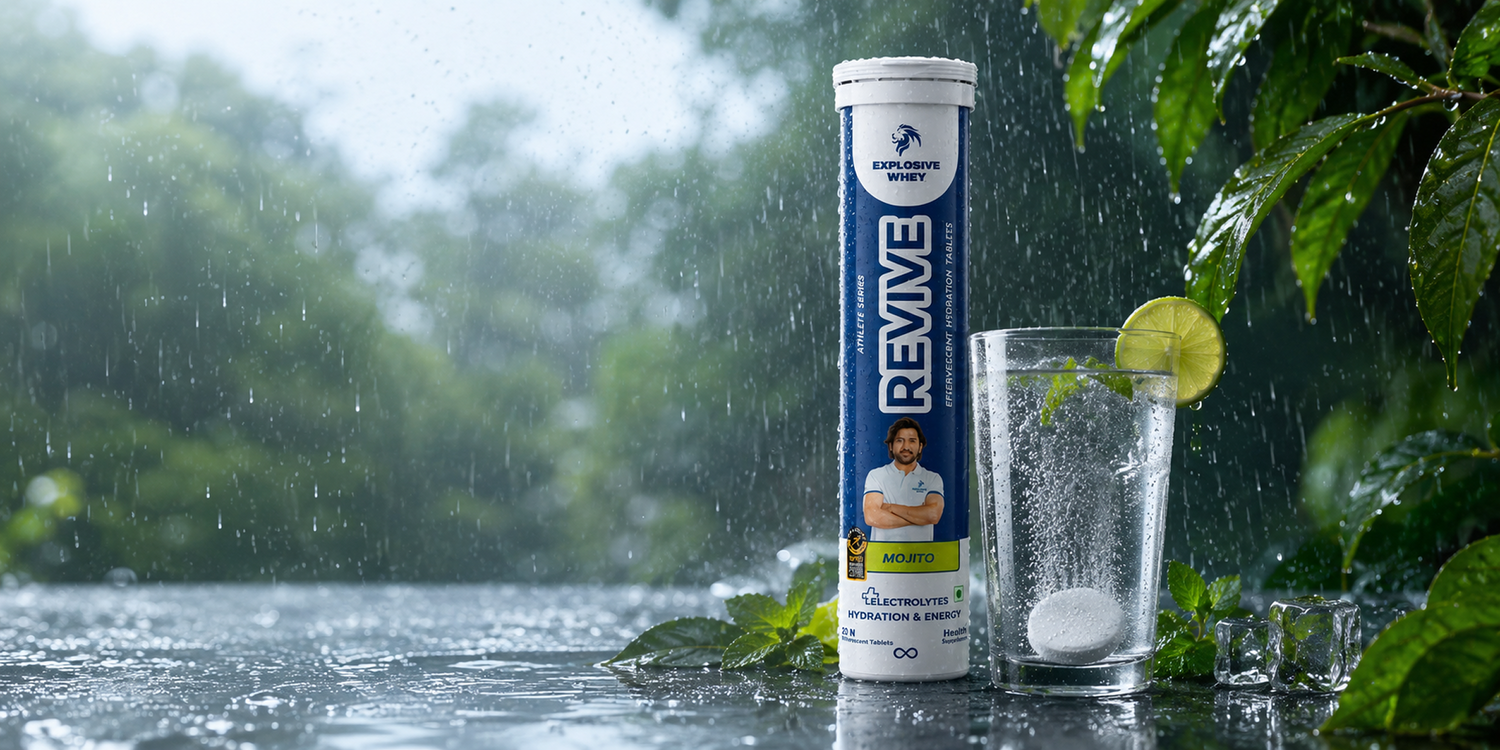
Most people assume that the monsoon season means they do not need to worry about staying hydrated. After all, it is cool and cloudy outside, and you are sweating far less than you would in summer. But here is the truth: dehydration during the monsoon is more common than most people realize, and it can quietly affect your energy, focus, and overall health. Hydration tablets are one simple and convenient tool that can help you stay properly hydrated during the rainy season, especially if you are active or prone to low energy during the monsoon months.
Monsoon Weather and Hydration Needs

The monsoon season brings a noticeable drop in temperature, and humidity levels fluctuate significantly. This combination can trick your body into thinking it does not need as much water. You feel less thirsty, you sweat less visibly, and drinking water feels less urgent compared to the peak summer months.
However, your body's need for water and electrolytes does not reduce just because the weather cools down. Humidity during the monsoon can actually cause silent sweating, where moisture evaporates quickly from your skin without you noticing it. Indoor environments with fans or air conditioning during the rainy season can also dry you out faster than expected.
Common Signs of Dehydration in Monsoon
Because the cool weather masks the usual signs of dehydration, many people do not recognize it until it has already started affecting how they feel and function. Here are the key signs to watch for.
Fatigue and Low Energy Levels
Feeling unusually tired or sluggish during the monsoon can be an early sign of dehydration. When your body lacks fluids, your blood volume drops slightly, making it harder to deliver oxygen and nutrients to your muscles and brain. If you feel drained even after good sleep, low hydration may be a possible reason.
Dark Yellow Urine
Urine color is one of the simplest ways to check your hydration status throughout the day. Pale yellow urine usually means you are well hydrated, while dark yellow or amber urine suggests your body needs more fluids. During the monsoon, people may drink less water because they feel less thirsty. Checking urine color gives you a quick and useful daily hydration clue.
Headaches and Difficulty Concentrating
Dehydration can reduce blood flow to the brain, causing headaches and making it harder to think clearly or stay focused. During monsoon, these symptoms may be mistaken for weather-related tiredness or dullness. If you experience frequent headaches or poor concentration, increasing your water and electrolyte intake may help. Staying hydrated supports better focus throughout the day.
Dry Mouth Despite Cool Weather
A dry or sticky mouth is a simple sign that your body may need more fluids. This can be easy to overlook during monsoon because the cooler weather reduces the feeling of thirst. If your mouth feels dry often, increase your water intake throughout the day. Adding an electrolyte source like a hydration tablet can also support proper fluid balance.
What Are Hydration Tablets Exactly?

Hydration tablets are small, dissolvable tablets that you drop into a glass or bottle of water to create an electrolyte drink. They are a convenient alternative to powdered electrolyte mixes or ready-to-drink sports beverages, and they are especially practical during the monsoon when carrying around bulky drink bottles is inconvenient.
Key Electrolytes Inside Hydration Tablets
Most hydration tablets contain a combination of sodium, potassium, magnesium, and calcium. These are the four key electrolytes your body loses through sweat, urine, and normal daily functions.
- Sodium helps regulate fluid balance and supports nerve function.
- Potassium is critical for muscle contraction and heart health.
- Magnesium supports energy production and muscle recovery.
- Calcium plays a role in bone health and muscle function.
Together, these electrolytes work with water to keep your body's cells properly hydrated and functioning well throughout the day.
How Hydration Tablets Work in the Body
When you dissolve a hydration tablet in water and drink it, the electrolytes it contains help your body absorb and retain water more efficiently than plain water alone. Your cells use a process called osmosis to pull water in across their membranes, and electrolytes play a key role in driving this process. Without electrolytes, water can pass through your digestive system without being fully absorbed at the cellular level.
Hydration Tablets vs Plain Water
Plain water is always essential, but it does not replace the electrolytes your body loses during activity or even through regular daily functions. Drinking large amounts of plain water without replacing electrolytes can actually dilute the sodium in your blood, leading to a condition called hyponatremia, which causes symptoms like nausea, headaches, and fatigue. Hydration tablets add the electrolytes needed to maintain this balance, making them a smarter choice than plain water.
Tablets vs Powder vs Drinks
Hydration tablets, electrolyte powders, and ready-to-drink sports drinks all serve the same basic purpose but differ in convenience, cost, and ingredients. Hydration tablets are the most portable option since they are compact, lightweight, and do not require measuring. Electrolyte powders offer more flexibility in dosage and are often available in bulk. Ready-to-drink sports drinks are immediately consumable but typically contain added sugars and artificial flavors that you may not want. For everyday monsoon hydration, tablets hit the best balance of convenience, clean ingredients, and effectiveness. You can explore how they fit into a broader recovery supplement routine for athletes to understand where electrolytes sit in the overall nutrition picture.
Benefits of Hydration Tablets in Monsoon
Using hydration tablets during the monsoon offers specific advantages that go beyond just quenching thirst.
Restores Electrolytes Lost Through Sweat
Even during the monsoon, physical activity causes electrolyte loss through sweat. The body loses sodium and potassium every time you exercise, and these need to be replaced for muscles and nerves to function correctly. Hydration tablets deliver these electrolytes quickly and in the right proportions, making them ideal for post-workout use or after spending time outdoors. Athletes and active individuals who train during the monsoon will particularly benefit from consistent electrolyte replenishment alongside their regular sports nutrition plan.
Supports Energy and Mental Focus Daily
Electrolytes like magnesium and potassium play a direct role in energy metabolism and nerve signaling. When these are at healthy levels, you feel more alert, focused, and energized throughout the day. The monsoon fatigue that many people experience is often partly a result of low electrolyte levels rather than the weather itself. Drinking electrolyte water made with a hydration tablet in the morning or mid-afternoon can provide a noticeable lift in energy without caffeine or sugar.
Helps Prevent Monsoon Fatigue and Cramps
Muscle cramps are a common complaint during the monsoon, particularly among athletes and active individuals. These cramps are often caused by a combination of dehydration and low electrolyte levels, particularly sodium and magnesium. Hydration tablets that include these electrolytes can significantly reduce the frequency and intensity of cramps by keeping muscle cells properly hydrated and nourished. They also help prevent the general monsoon fatigue that makes everyday tasks feel harder than they should be. The importance of hydration in sport is well documented, and the same principles apply outside of matches and training sessions too.
Convenient Hydration Without Sugary Drinks
Many people turn to packaged fruit juices, sodas, or energy drinks during the monsoon for a hydration boost, without realizing these are often loaded with sugar, artificial flavors, and very few actual electrolytes. Hydration tablets offer a cleaner alternative that provides real electrolyte support with none of the unnecessary sugar or additives. They dissolve in seconds and can be taken anywhere, making it easy to stay hydrated without relying on unhealthy packaged drinks. For anyone trying to maintain a clean diet during the monsoon season, hydration tablets are a practical and smart swap.
Monsoon Diet and Hydration Together

Staying hydrated during the monsoon is not just about what you drink. The foods you eat also play a big role in keeping your body's fluid and electrolyte levels balanced.
Best Foods to Stay Hydrated in Monsoon
Several whole foods naturally support hydration by providing water, electrolytes, and nutrients simultaneously. Cucumbers, tomatoes, and leafy greens are high in water content and provide potassium and magnesium. Coconut water is one of the best natural electrolyte sources available and works well as a complement to hydration tablets. Moong dal soups and light lentil broths are easy on the digestive system during monsoon while providing both hydration and protein.
Drinks to Avoid During Monsoon Season
Certain drinks can actually worsen dehydration and digestive issues during the monsoon. Excessive caffeine from tea and coffee acts as a mild diuretic, increasing urine output and pulling water out of your body. Packaged juices and sodas are high in sugar, which can spike blood sugar and increase thirst. Alcohol, even in small amounts, significantly dehydrates the body and reduces the effectiveness of electrolyte absorption. Cold drinks bought from roadside stalls during monsoon also carry a higher risk of contamination and digestive infection.
Pairing Monsoon Diet with Hydration Tablets
The best approach to monsoon hydration combines a water-rich, nutrient-dense diet with consistent use of hydration tablets on active days or whenever you notice signs of dehydration. Start your morning with a glass of warm water and have an electrolyte drink mid-morning or before a workout. Pair meals with hydrating foods like soups, dals, and fresh vegetables. On days when you train, take a hydration tablet before or after your session to replace what you lose. If you are following a protein powder routine during the rainy season, pairing it with proper hydration helps your body absorb and use that protein more efficiently.
Daily Hydration Routine for Monsoon Health
A consistent daily hydration routine during the monsoon takes very little effort but makes a significant difference in how you feel. The table below outlines a simple routine you can follow to stay well hydrated through the rainy season.
|
Time of Day |
Hydration Action |
|
Morning (on waking) |
1 glass of warm water |
|
Breakfast |
Include a hydrating food (curd, fruit, or dal) |
|
Mid-morning |
1 hydration tablet dissolved in 250-300 ml of water |
|
Lunch |
1 to 2 glasses of water with meal, light soup or dal |
|
Pre-workout |
200-300 ml of water or electrolyte drink |
|
Post-workout |
1 hydration tablet in water + protein shake |
|
Evening |
Herbal tea or coconut water |
|
Before bed |
1 glass of warm water |
Following this routine consistently throughout the monsoon season will help you avoid fatigue, cramps, headaches, and the general sluggishness that many people associate with rainy weather.
FAQ
1. Do you really need hydration tablets during the monsoon season?
Yes, hydration tablets are useful during the monsoon because cool weather masks dehydration signs, making it easy to under-drink. They replace electrolytes lost through sweat and daily activity and help your body absorb water more efficiently than plain water alone.
2. What are the signs of dehydration during the monsoon that people ignore?
The most commonly ignored signs are fatigue, difficulty concentrating, dark yellow urine, and dry mouth. Because monsoon weather feels cool, people assume they are not dehydrated, but the body still loses fluids through sweat, breathing, and urine. Watching for these signs and drinking more fluids with electrolytes can make a noticeable difference in energy and mood.
3. How do hydration tablets help with monsoon health and energy levels?
Hydration tablets contain key electrolytes like sodium, potassium, and magnesium that support fluid balance, muscle function, and nerve signaling. They help prevent the fatigue and cramps associated with low electrolyte levels during monsoon. Dissolving one in water and drinking it mid-morning or after exercise is a quick and effective way to boost energy.
4. What is the best way to stay hydrated during the monsoon at home?
Drink at least 2 to 2.5 litres of water daily, eat hydrating foods like cucumbers, dal, and seasonal fruits, and use a hydration tablet on active days or when you notice signs of dehydration. Avoid excessive tea, coffee, and sugary packaged drinks. Keeping a water bottle visible at your desk or in your kitchen is a simple habit that helps you drink more consistently throughout the day.





Leave a comment
This site is protected by hCaptcha and the hCaptcha Privacy Policy and Terms of Service apply.