


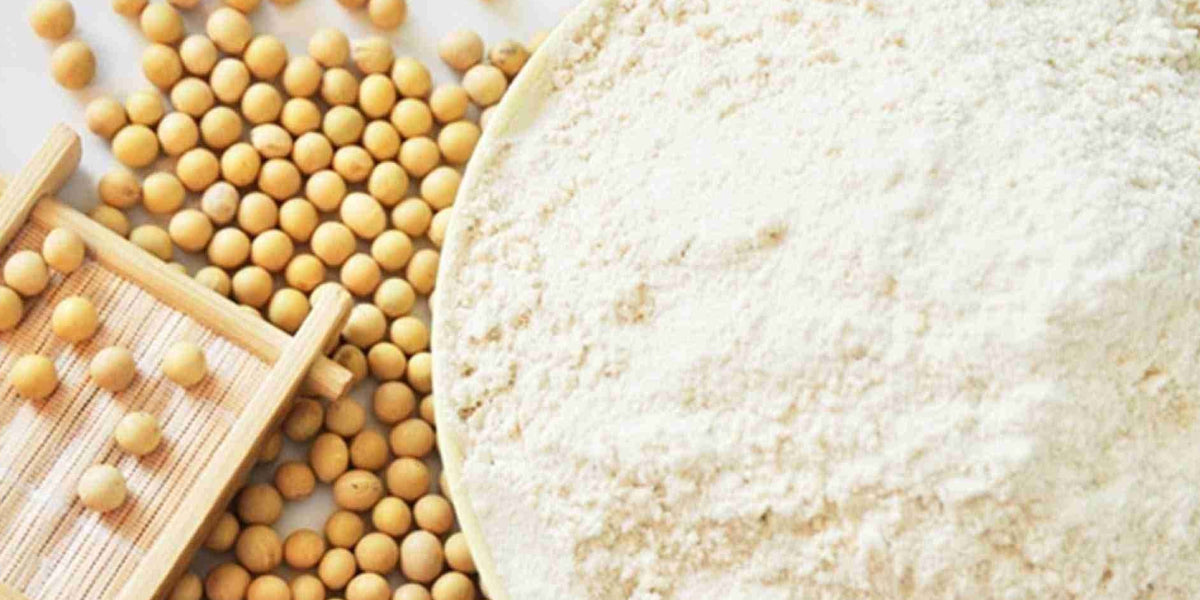
When people think of protein, they usually think of eggs, chicken, or whey. But soybean protein has been quietly holding its ground as one of the best plant-based protein sources available. It is affordable, widely available in India, and packed with nutrients that support everything from muscle recovery to heart health. Whether you are a vegetarian, a vegan, or just trying to eat more plant-based foods, soybeans deserve a spot in your diet. This blog covers everything you need to know, including the real benefits and the genuine concerns you should be aware of before adding it to your routine.
What Is Soybean Protein?
Soybean protein is the protein found naturally inside soybeans, a legume that has been consumed across Asia for thousands of years. When soybeans are processed, their protein can be extracted and concentrated into various forms such as soy protein isolate, soy protein concentrate, or textured soy protein (commonly known as soya chunks).
What makes soybean protein special is that it is a complete protein. This means it contains all nine essential amino acids that your body cannot produce on its own. Most plant-based foods are incomplete proteins, which is why soybeans stand out in the world of plant nutrition. They are also a staple ingredient in Indian kitchens, used in dishes ranging from curries to stir-fries and snacks.
Role of Soybean Protein in the Everyday Diet
Soybean protein plays a useful role in daily nutrition, especially for people who do not eat meat or dairy. It helps meet daily protein requirements, supports muscle maintenance, and keeps you feeling full for longer after meals.
For vegetarians and vegans in India, soy is often one of the most accessible and affordable complete protein options. It can be eaten as whole soybeans, soya chunks, tofu, soy milk, or as part of protein powders. This flexibility makes it easy to include in a variety of Indian meals without changing your eating habits drastically.
It also pairs well with other plant proteins like lentils, chickpeas, and rice to create balanced meals that cover a wide range of amino acids. If you are building a complete plant-based nutrition plan, soybean protein is one of the first foods worth considering.
Soybean Nutrition Value Explained

Before looking at the benefits and concerns, it helps to understand exactly what soybeans bring to the table nutritionally.
Protein Content Found in Soybeans
Cooked soybeans contain around 17 to 18 grams of protein per 100 grams, which is impressive for a plant food. Soy protein isolate, the most refined form, can offer up to 90% protein by weight, making it comparable to whey protein in terms of concentration. This high protein content is what makes soybeans a go-to option for vegetarians looking to build or maintain muscle. If you are comparing plant-based proteins, check out this detailed guide on pea protein isolate vs whey isolate to see how different sources stack up.
Calories in Soybean Per Serving
A 100-gram serving of cooked soybeans contains approximately 172 to 180 calories. This makes it a moderately calorie-dense food that provides a solid energy base alongside its protein content. Soy protein powder forms are lower in calories per serving since fat and carbs are reduced during processing. For anyone tracking macros or managing their weight, knowing the calorie count of soybeans helps you include it without going over your daily targets.
Essential Amino Acids and Fiber Content
Soybeans contain all nine essential amino acids, including lysine, which is often low in other plant proteins. A 100-gram serving of cooked soybeans also provides about 6 grams of dietary fiber, which supports gut health and keeps digestion moving smoothly. The combination of complete protein and fiber makes soybeans one of the most well-rounded plant foods available. This profile supports both muscle repair and long-term digestive wellness in one single food source.
Vitamins, Minerals, and Healthy Fats
Soybeans are rich in key micronutrients, including calcium, iron, magnesium, potassium, and zinc, all of which are critical for muscle function, bone health, and energy production. They also contain vitamin K, B vitamins, and folate. In addition to this, soybeans contain healthy unsaturated fats, including omega-3 and omega-6 fatty acids, which support heart health and reduce inflammation. This makes soybeans much more than just a protein source.
Major Benefits of Soybean Protein
Here is a closer look at the specific ways soybean protein can benefit your health and fitness.
Supports Plant-Based Muscle Growth
Soybean protein contains leucine and all other essential amino acids needed to trigger muscle protein synthesis. Studies show that soy protein supports muscle growth in both athletes and non-athletes when consumed consistently alongside resistance training. It is one of the few plant proteins that can be used as a standalone protein source for muscle building. For those following a vegan protein or plant-based approach to fitness, soy is a strong anchor protein.
Helps Increase Daily Protein Intake
Many people, especially vegetarians, struggle to eat enough protein every day through food alone. Adding soybeans or soy-based foods to your meals is one of the easiest and most affordable ways to close this gap. A single bowl of cooked soybeans or a serving of soya chunks can add 15 to 20 grams of protein to your day without much effort or cost. This makes hitting your daily protein targets more realistic and sustainable over time.
Supports Heart Health and Cholesterol
Soybean protein has been shown to help reduce LDL cholesterol levels, commonly known as bad cholesterol, when included as part of a balanced diet. The isoflavones found in soybeans also contribute to cardiovascular health by improving blood vessel flexibility and reducing inflammation. Replacing high-saturated-fat animal proteins with soy-based options can have a meaningful positive impact on long-term heart health. This is particularly relevant for people with a family history of heart conditions.
Supports Bone and Joint Health
Soybeans are a good source of calcium and phosphorus, two minerals essential for maintaining strong bones and joints. The isoflavones in soy have also been studied for their potential to reduce bone density loss, especially in older adults. Regular consumption of soybean protein as part of a balanced diet can contribute to long-term bone health and reduce the risk of conditions like osteoporosis. For active individuals, strong bones and joints also mean fewer injuries during training.
Provides Fiber for Better Digestion
Unlike most protein supplements, whole soybeans come with a meaningful amount of dietary fiber that supports gut health. Fiber helps keep digestion regular, feeds healthy gut bacteria, and prevents the bloating that sometimes comes with high-protein diets. The combination of protein and fiber in soybeans means you feel full longer and are less likely to overeat later in the day. This makes soybeans a smart food choice for both muscle building and weight management.
Supports Healthy Weight Management Goals
Soybean protein is filling, relatively low in calories compared to its nutrient density, and high in both protein and fiber. These properties make it very effective for people trying to manage or reduce their body weight without losing muscle mass. Protein-rich diets are well known to reduce hunger hormones and increase metabolism slightly. Including soy as part of your overall nutrition plan helps you stay satisfied between meals without overloading on calories.
Common Concerns About Soybean Protein
Like any food, soybean protein comes with a few things worth knowing before you go all in. Here is an honest look at the concerns.
Soy Sensitivity and Allergy Reactions
Soy is one of the eight most common food allergens globally. People with soy allergies can experience reactions ranging from mild digestive discomfort to serious immune responses in severe cases. If you have never eaten soy before, it is worth starting with small amounts and observing how your body reacts. Those with known soy allergies should avoid all soy-based products, including soy protein powders and tofu.
Digestive Discomfort from Excess Intake
Soybeans contain oligosaccharides, a type of carbohydrate that can cause gas and bloating in some people when eaten in large quantities. This is especially common when someone suddenly increases their soy intake without allowing the gut to adjust gradually. Starting with smaller portions and slowly increasing intake over a few weeks can help minimize these digestive issues. Fermented soy products like tempeh tend to be easier on digestion since fermentation breaks down some of these compounds.
Highly Processed Soy Food Issues
Not all soy products are created equal. Highly processed soy foods like certain soy snacks, soy-based fake meats, and some protein bars can contain high levels of added sodium, sugar, and artificial additives. These heavily processed options can reduce the nutritional value of soy significantly and add unwanted ingredients to your diet. Sticking to minimally processed forms like whole soybeans, tofu, or plain soya chunks is always the healthier approach.
Hormonal Effects of Overconsumption
Soybeans contain phytoestrogens called isoflavones, which can mimic estrogen in the body at a very weak level. This has led to concerns about hormonal disruption, especially in men. However, current research shows that moderate soy consumption does not cause hormonal problems in healthy adults. Issues are more likely when soy is consumed in extremely high quantities over a long period, which is uncommon in a typical balanced diet.
High Sodium in Processed Soy Foods
Products like soy sauce, miso, and many packaged soya snacks can contain very high amounts of sodium, which is not ideal for people managing blood pressure or water retention. It is important to differentiate between whole soy foods and processed soy condiments when discussing sodium content. If sodium is a concern, choosing unsalted or low-sodium soy products and focusing on whole soybeans or plain tofu is the smart move.
Importance of Protein Source Variety
Relying exclusively on one protein source, even a great one like soybean, is not ideal for long-term nutrition. Different proteins bring different amino acid ratios, micronutrients,and health benefits. Combining soybean protein with other plant proteins such as lentils, peas, and brown rice protein creates a more complete and balanced nutritional profile. Diversity in your protein sources is always the more sustainable and effective approach to long-term health and performance.
Soybean vs Soya Chunks

Many people use soybeans and soya chunks interchangeably, but they are not the same thing. Here is how they differ.
Protein Difference Between the Two Foods
Whole cooked soybeans contain around 17 to 18 grams of protein per 100 grams. Soya chunks, also known as textured vegetable protein or TVP, are made from defatted soy flour and contain a much higher protein concentration of around 52 grams per 100 grams in dry form. This makes soya chunks one of the most protein-dense plant foods available. For people who need high protein intake with less volume of food, soya chunks are the more efficient option.
Texture and Cooking Usage Comparison
Whole soybeans have a firm, bean-like texture and are used in curries, salads, stir-fries, and soups. Soya chunks have a chewy, meat-like texture when soaked and cooked, which makes them popular as a meat substitute in Indian cooking. They absorb flavors well and work in gravies, stir-fries, and rice dishes. Soybeans take longer to prepare and need soaking overnight, while soya chunks are quicker and more convenient to cook.
Which Option Supports Muscle Gain
For pure muscle-building purposes, soya chunks have the advantage due to their higher protein content per serving. However, whole soybeans offer more fiber, healthy fats, and micronutrients alongside their protein. If muscle gain is your primary goal, soya chunks make it easier to hit high protein targets efficiently. If overall health and nutrition balance are your goals, whole soybeans are the more complete food choice. For athletes comparing plant proteins, this guide on plant vs whey protein offers more context.
Calories and Nutrition Value Differences
Cooked soybeans contain around 172 to 180 calories per 100 grams, while dry soya chunks contain around 345 calories per 100 grams but expand significantly when soaked and cooked, effectively reducing the calorie density per prepared serving. Soybeans also contain more fat, primarily healthy unsaturated fats, compared to soya chunks, which are defatted during processing. Each has its nutritional strengths, and the best choice depends on your dietary goals and cooking preferences.
Best Ways to Consume Soybeans

Soybeans are one of the most versatile foods in an Indian kitchen. Here are the best ways to add them to your daily diet.
Adding Soybeans to Indian Meals
Whole soybeans can be used in the same way as other legumes in Indian cooking. Add them to sabzis, mix them into rajma-style gravies, or toss them into salads with onion, tomato, and lemon. They pair well with spices like cumin, coriander, turmeric, and garam masala, making it easy to cook familiar dishes with a protein upgrade. Soaking them overnight and pressure cooking them makes preparation fast and straightforward.
Mixing Soy Protein with Smoothies
Soy protein powder can be blended into smoothies just like whey protein. Pair it with banana, mango, or mixed berries along with milk or almond milk for a plant-based protein shake that tastes great. This is especially useful for people who follow a vegan diet and want a fast post-workout protein option. Adding oats or nut butter to the smoothie turns it into a complete meal replacement shake.
Combining Soy with Other Proteins
One of the smartest ways to use soybean protein is to combine it with other plant proteins to build a more complete amino acid profile. Pairing soy with lentils, chickpeas, or even a plant protein powder helps cover any nutritional gaps that a single protein source might leave. For athletes who want the benefits of both plant and animal protein, combining soy with a whey protein supplement can create a powerful and balanced protein stack for muscle growth and recovery.
Using Soybeans in High-Protein Snacks
Roasted soybeans, also called soy nuts, are a crunchy, high-protein snack that is easy to prepare at home. They make a great alternative to chips or biscuits during mid-meal hunger breaks. You can also make soybean chaat, soya chunk cutlets, or mix boiled soybeans into poha or upma for a high-protein Indian breakfast. These snack options keep protein intake high throughout the day without relying on supplements.
Soybean protein is a genuinely impressive food with a strong nutritional profile, meaningful health benefits, and a level of versatility that very few plant proteins can match. It supports muscle growth, heart health, bone strength, and digestion, all while being affordable and easy to find in India. The concerns around soy, such as allergy risk, digestive sensitivity, and overconsumption, are real but manageable with a sensible, balanced approach. The key is to include soy as part of a varied diet rather than relying on it as your only protein source. Whether you eat it as whole soybeans, soya chunks, tofu, or soy protein powder, it deserves a regular place in your nutrition plan.
FAQ
1. What are the benefits of soybean protein?
Soybean protein supports muscle growth, heart health, bone strength, and digestion. It is a complete protein with all nine essential amino acids, making it one of the best plant-based protein sources available. It also provides fiber, vitamins, minerals, and healthy fats that benefit overall health.
2. How many calories are in a soybean?
Cooked soybeans contain around 172 to 180 calories per 100 grams. A standard serving of around 50 grams provides roughly 85 to 90 calories along with approximately 8 to 9 grams of protein and 3 grams of fiber. Calorie content varies slightly depending on how they are prepared.
3. Which is better, soybean or soya chunks?
Soya chunks contain more protein per serving (around 52g per 100g dry) and are better for hitting high protein targets efficiently. Whole soybeans offer more fiber, healthy fats, and micronutrients, making them the more nutritionally complete option. The best choice depends on whether your goal is maximum protein intake or overall balanced nutrition.
4. Is soybean protein good for muscle building?
Yes, soybean protein is effective for muscle building because it is a complete protein that contains all essential amino acids, including leucine, which triggers muscle protein synthesis. It works well for vegetarians, vegans, and anyone looking to diversify their protein sources alongside a structured training plan.




Leave a comment
This site is protected by hCaptcha and the hCaptcha Privacy Policy and Terms of Service apply.