
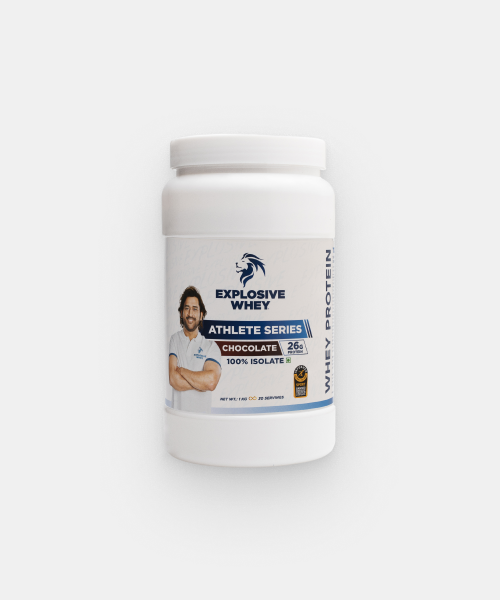
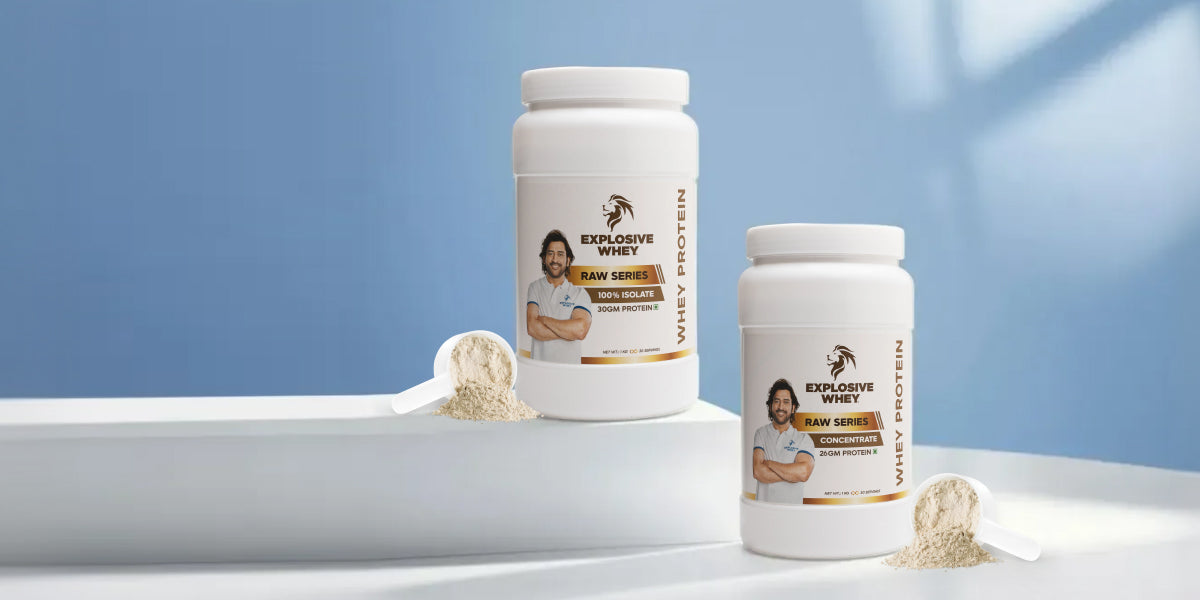
Starting your fitness journey can feel overwhelming, especially when it comes to choosing the right supplement. Raw Whey Protein is one of the simplest and most effective options for beginners. It is a clean, unflavored form of whey protein that gives you pure protein without added sugars, artificial flavors, or unnecessary additives. Whether your goal is muscle building, faster recovery, or simply getting more protein in your diet, raw whey is a great place to start.
Raw Whey Protein Nutrition Value Explained
Raw whey protein is packed with nutritional value that supports your fitness goals. A standard serving (around 30g) typically provides 22 to 25 grams of protein, less than 2 grams of fat, and minimal carbohydrates. This makes it one of the most protein-dense supplements available.
It is rich in all nine essential amino acids, including leucine, isoleucine, and valine, which are the three branched-chain amino acids (BCAAs) your body relies on for muscle repair and growth. It also contains micronutrients like calcium, potassium, and phosphorus that support bone health and muscle function.
Because it goes through minimal processing, raw whey retains more of its natural bioactive compounds compared to heavily processed protein powders. This means better nutritional quality per scoop. For beginners trying to understand their daily nutrition needs as an athlete, raw whey protein is one of the easiest and most reliable supplements to include in a diet plan.
Difference Between Raw and Flavored Whey Protein
The main difference between raw and flavored whey protein is what gets added after the basic processing. Raw whey protein, also called unflavored whey protein, contains just the protein concentrate or isolate with nothing extra. Flavored whey proteins, on the other hand, include sweeteners, flavor agents, colorings, and sometimes thickeners to improve taste.
For beginners, this difference matters for a few reasons. First, raw whey gives you full control over what goes into your body. You can mix it with whatever you like without worrying about clashing flavors or extra sugar. Second, it is often more affordable than flavored versions since no extra ingredients are added.
The downside is taste. On its own, unflavored whey protein has a mild, slightly milky flavor that some people find bland. But this is easy to fix by blending it with fruit, oats, or nut butter. If you want clean, no-frills protein intake, raw whey is the smarter choice. To understand more about how different protein types compare, check out this guide on choosing the best protein powder.
Raw Whey Protein Benefits for Beginners
For anyone just starting out in fitness, raw whey protein offers several practical benefits that make a real difference in your progress.
Faster Muscle Recovery After Workouts
After a workout, your muscles are in repair mode and need protein quickly. Raw whey protein absorbs fast and delivers amino acids to your muscles within 30 to 60 minutes of consumption. This helps your body repair the small muscle tears caused by exercise, reducing soreness and helping you feel ready for your next session sooner. Consistent post-workout protein intake is one of the best habits a beginner can build.
Supports Lean Muscle Building Goals
Raw whey protein is high in leucine, the amino acid most responsible for triggering muscle protein synthesis. This means it actively signals your body to start building new muscle tissue after training. For beginners, even a small consistent intake of quality protein like raw whey can produce noticeable muscle gains within the first few weeks of training alongside a structured workout plan.
Helps Increase Daily Protein Intake
Most beginners struggle to eat enough protein from food alone. Chicken, eggs, and lentils are great sources, but reaching the recommended 1.4 to 2 grams of protein per kilogram of body weight every day through food can be difficult. A scoop of raw whey protein is an easy way to close that gap without adding much fat or extra calories to your diet.
Easy Digestion and Quick Absorption
Raw whey protein, especially in concentrate form, is well tolerated by most people. It digests easily and does not cause the heavy, sluggish feeling that some high-fat meals can after a workout. The fast absorption rate means your muscles get the nutrients they need without delay. For those with very sensitive stomachs, whey isolate is an even lighter option with almost no lactose.
Whey Concentrate vs Whey Isolate

When you shop for raw whey protein, you will come across two main types: whey concentrate and whey isolate. Both come from the same source (milk), but they differ in how they are processed and what that means for your nutrition.
Protein Content and Purity Differences
Whey concentrate typically contains around 70 to 80% protein by weight, along with small amounts of fat and carbohydrates. Whey isolate goes through additional filtration, which removes most of the fat, carbs, and lactose, resulting in 90% or more protein per serving. This isolates the purer option, with more protein per scoop and fewer extra calories. For a detailed breakdown, read this full comparison of whey protein isolate vs concentrate.
Lactose and Digestion Comparison
Whey concentrate contains a noticeable amount of lactose, which can cause bloating or discomfort in people who are lactose sensitive. Whey isolate has most of the lactose removed during filtration, making it a gentler option for the digestive system. If you notice stomach discomfort after taking whey concentrate, switching to isolate or a lactose-free whey protein option is worth considering.
Best Whey Type for Muscle Gain
Both types support muscle gain effectively. The choice depends on your goals and budget. Whey concentrate is more affordable and works well for beginners in a muscle-building phase where overall calorie intake is higher. Whey isolate is better suited for those who want lean muscle growth with fewer extra calories, or for athletes in a cutting phase. For beginners, concentration is a solid starting point. If you want to understand which protein is best for muscle gain, a direct comparison can help you decide.
Recovery Speed and Absorption Benefits
Whey isolate absorbs slightly faster than concentrate because it has less fat and carbohydrate, slowing down digestion. For post-workout recovery where speed matters, Isolate gives you a small but meaningful advantage. Concentrate still absorbs quickly compared to most food proteins, so both are good post-workout choices. Isolate just has the edge when you need the fastest possible delivery of amino acids to your muscles.
Best Ways to Use Raw Whey Protein

One of the best things about raw whey protein is its versatility. Since it has no added flavor, it blends into almost anything without changing the taste too much. Here are the most popular and effective ways to use it.
Mixing with Smoothies
Blending raw whey protein into a smoothie is one of the easiest ways to take it. Add a scoop to a blender with your choice of fruits like mango, berries, or pineapple, along with some milk or water. The natural sweetness of the fruit covers the plain taste of the whey, and you end up with a nutritious, protein-rich drink that feels like a treat. This is a great post-workout option that also hydrates and replenishes energy.
Adding to Oats Bowl
Stirring raw whey protein into your morning oats is a simple and filling way to boost your protein intake early in the day. Mix it in after your oats have cooked and cooled slightly to avoid clumping. You can add honey, banana slices, or peanut butter on top to enhance the flavor. This combination gives you slow-release energy from oats and fast-absorbing protein from whey, making it an excellent breakfast for active individuals.
Blending with Banana Shakes
Banana is one of the best natural partners for raw whey protein. Its thick, creamy texture blends perfectly with the powder, and its natural sweetness masks the plain taste completely. Blend one banana with a scoop of raw whey, some milk, and a little ice for a smooth, satisfying shake. Bananas also provide fast-digesting carbohydrates, which help restore glycogen levels after a workout alongside the protein.
Combining with Peanut Butter
Adding peanut butter to your raw whey shake gives you healthy fats and a rich, creamy texture that makes it feel like a proper meal. Mix a scoop of raw whey with a tablespoon of peanut butter, milk, and a banana for a high-protein, high-energy shake. This combination works well as a post-workout shake or as a filling snack between meals. The fats from peanut butter also help slow digestion slightly, keeping you fuller for longer.
Best Time to Take Whey Protein

Timing your protein intake matters more than most beginners realize. Here is when to take raw whey protein to get the most out of it.
Post-Workout Protein Recovery Timing
The most important time to take whey protein is within 30 to 60 minutes after your workout. During this window, your muscles are actively looking for nutrients to start the repair process. Taking raw whey protein right after exercise helps speed up muscle recovery, reduce soreness, and kickstart muscle protein synthesis. For a full guide on the best time to take whey protein, including timing tips for different goals, it is worth reading in detail.
Morning Protein Intake for Energy
Having raw whey protein in the morning helps break the overnight fast and gives your body a supply of amino acids early in the day. Mixing it into your breakfast, whether in oats or a smoothie, sets a strong nutritional foundation for the rest of the day. Morning protein intake also helps reduce cravings and prevents overeating later. For athletes who train in the morning, this doubles as both a pre-workout fuel and a recovery nutrient.
Between Meals Hunger Control Support
Raw whey protein is a smart option when you feel hungry between meals but want to avoid snacking on junk food. A quick shake with some fruit or mixed into yogurt provides a satisfying protein hit that keeps hunger in check. Protein takes longer to digest than simple carbs, which means it keeps you feeling full for longer. This makes raw whey protein a practical tool for managing appetite and staying on track with your nutrition plan.
Before Bed Muscle Recovery Nutrition
Taking protein before bed helps your muscles recover overnight while you sleep. While slower-digesting proteins like casein are often recommended for this purpose, raw whey protein can still be beneficial, especially when paired with a small meal or yogurt to slow down absorption. Your body does its most important repair work during sleep, and having protein available during this time supports continuous muscle recovery and growth.
FAQ
1. What is raw whey protein used for?
Raw whey protein is used to increase daily protein intake, support muscle repair after workouts, and help build lean muscle. It is a fast-absorbing, clean protein source that suits beginners and experienced athletes alike. It can be mixed into smoothies, shakes, oats, or any recipe to boost protein without added flavors or sugar.
2. Is unflavored whey protein good for beginners?
Yes, unflavored whey protein is an excellent choice for beginners. It is versatile, clean, and affordable, with no added sugars or artificial ingredients. You can blend it into any food or drink, giving you full control over your nutrition without unwanted additives.
3. Which is better for beginners: whey concentrate or isolate?
For most beginners, whey concentrate is the practical starting point as it is more affordable and still provides excellent protein quality. If you have lactose sensitivity or want higher protein purity per scoop, whey isolate is the better option. Both support muscle building and recovery effectively. Read the full whey isolate vs concentrate comparison to decide which suits your goals.
4. Can raw whey protein support weight loss goals?
Yes, raw whey protein can support weight loss by helping you stay full, preserve lean muscle during a calorie deficit, and reduce snacking. Its high protein content boosts metabolism slightly and reduces appetite. Pairing it with a balanced diet and regular exercise makes it an effective tool in a weight management plan.



Leave a comment
This site is protected by hCaptcha and the hCaptcha Privacy Policy and Terms of Service apply.