

Running places unique demands on the body that most other forms of exercise don't. The repetitive, sustained nature of running - especially over long distances or in heat - means sweat loss builds steadily over time, and that loss affects performance and recovery in ways that are easy to underestimate until you've felt them firsthand.
Why Hydration Matters for Runners
Proper hydration touches nearly every part of a runner's performance. It supports endurance, helping you maintain effort over longer distances without hitting an early wall. It affects energy levels, since dehydration and electrolyte loss both contribute to that heavy, depleted feeling mid-run. It plays a direct role in recovery, determining how quickly your body bounces back after a hard session. And it supports performance consistency - the difference between a run that feels the same in week one and week twelve of training often comes down to how well hydration has been managed throughout.
What Happens When Runners Become Dehydrated?
Fatigue
As fluid and electrolyte levels drop, your body works harder to do the same amount of work, and that shows up as fatigue setting in earlier than it should.
Muscle Cramps
![]()
Sodium and magnesium losses through sweat are closely linked to cramping, particularly in the later stages of a long run when sweat losses have accumulated.
Reduced Pace
Dehydration reduces blood volume, meaning your heart works harder to deliver oxygen to working muscles - often the real reason a pace that felt easy early on becomes difficult to hold later.
Poor Recovery
Without proper rehydration after a run, the body takes longer to repair and recover, which can carry fatigue into the next day's training session.
What To Look For in a Hydration Tablet for Running
Sodium Content
Sodium is the primary electrolyte lost through sweat, and it's the one runners need to prioritize replacing - especially on longer or hotter runs.
Potassium Support
Potassium works alongside sodium to support muscle function and helps maintain proper fluid balance inside and outside your cells.
Magnesium Inclusion
Magnesium plays a role in muscle relaxation and contraction, making it especially relevant for runners prone to cramping.
Easy Digestibility
A hydration tablet should dissolve cleanly and sit well during activity - the last thing a runner needs mid-run is a hydration product that causes stomach discomfort.
When Runners Should Use Hydration Tablets

Before a Run
Taking a hydration tablet ahead of a run helps you start properly hydrated, rather than trying to catch up once you're already behind.
During Long Runs
For runs that extend past the one-hour mark, electrolyte replacement during the run itself helps maintain performance as sweat losses accumulate.
Post-Run Recovery
Replacing lost electrolytes after a run supports faster recovery, helping you feel ready for your next session rather than still catching up.
Training Conditions That Increase Hydration Needs
- Summer running - higher temperatures mean higher sweat rates and faster electrolyte loss
- Trail running - longer durations and variable terrain often mean longer time on feet and more sweat loss overall
- Long-distance events - marathons and half marathons place sustained demand on hydration over hours, not minutes
- High humidity environments - humidity reduces the effectiveness of sweat evaporation, often increasing sweat rate without runners realizing it
Why Revive Is Ideal for Runners
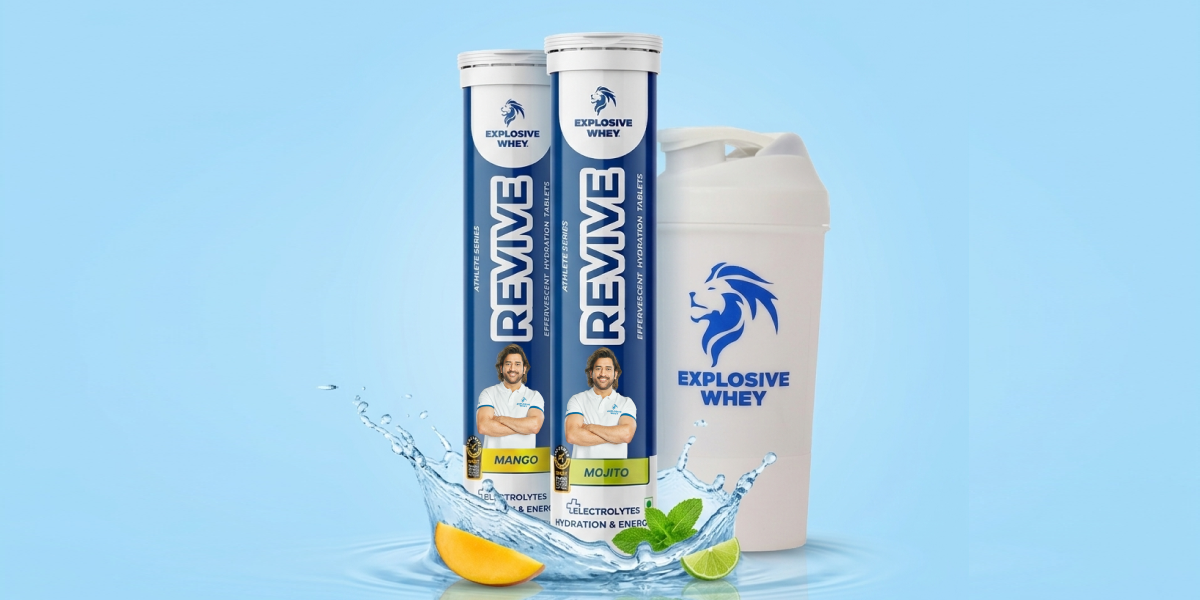
Revive by Explosive Whey is built around exactly what running demands: a balanced electrolyte profile of sodium, potassium, magnesium, and calcium to support hydration and muscle function throughout a run. It's convenient - one effervescent tablet dissolved in 250ml of water, ready in minutes, with minimal sugar at just 0.07g per tablet so it doesn't add unnecessary load mid-run. It's easy to carry, fitting into a running belt or bag without hassle, and suitable for both training and race preparation, whether you're managing a weekly long run or prepping for race day itself.
Hydration Tips Every Runner Should Follow

- Hydrate consistently - don't wait until you feel thirsty, since thirst often lags behind actual fluid need
- Monitor sweat loss - pay attention to how much you sweat in different conditions so you can adjust intake accordingly
- Plan hydration around training - build electrolyte replacement into your routine before, during, and after runs, rather than treating it as an after thought
Conclusion
Proper hydration can meaningfully improve both performance and recovery for runners - it's not just about avoiding cramps mid-run, but about consistently showing up ready for the next session too. A quality hydration tablet like Revive helps runners stay properly prepared for every run, from an easy weekday session to race day itself. [Shop Revive Hydration Tablets →]
FAQs
Q1: When should runners take a hydration tablet?
Ideally before a run to start properly hydrated, during runs lasting over an hour to replace ongoing sweat loss, and after a run to support recovery.
Q2: Which electrolytes matter most for runners?
Sodium and potassium are the most critical, since they're lost in the highest amounts through sweat, while magnesium supports muscle function and helps reduce cramping.
Q3: Can hydration tablets help prevent muscle cramps while running?
Yes, replacing sodium and magnesium lost through sweat can help reduce the likelihood of cramping during longer runs.
Q4: Are hydration tablets safe to use during a marathon or race?
Yes, provided the product is well-tolerated and tested beforehand during training - race day is not the time to try a new hydration product for the first time.



Leave a comment
This site is protected by hCaptcha and the hCaptcha Privacy Policy and Terms of Service apply.