



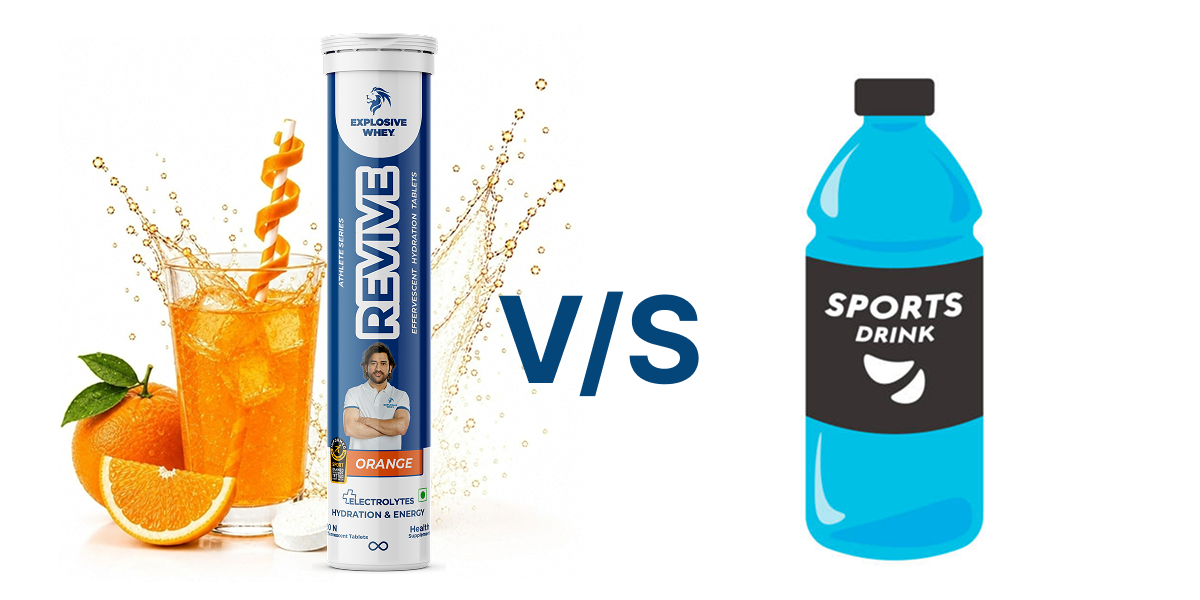
Most people reach for a sports drink out of habit, not because they've actually compared it to the alternative. But hydration tablets and sports drinks are built differently, for different needs - and knowing the difference can change which one actually makes sense for what you're doing.
What's Actually in a Sports Drink?
A typical sports drink contains approximately 100mg of sodium, 30mg of potassium, and 15 grams of sugar per 240ml serving. Sports drinks are formulated with 6 to 8 per cent carbohydrate content specifically to fuel endurance athletes during prolonged exercise. This carbohydrate and sugar content is also responsible for what's known as osmolarity - the total concentration of dissolved particles in the liquid, which affects how quickly your body can absorb it. Sports drinks are built around one core purpose: hydration paired with quick energy for long, sustained activity.
What's Actually in a Hydration Tablet?
Hydration tablets work on a different principle entirely. Electrolyte tablets often contain zero sugar, which works well for shorter workouts or for anyone limiting calories, while still delivering a concentrated dose of sodium, potassium, and magnesium. Electrolyte tablets are typically hypotonic, meaning they have a lower concentration than blood, allowing for faster fluid absorption while providing fewer carbohydrates. They're built for one purpose: replacing what sweat takes away, without the sugar load that comes with it.
Hydration Tablets vs Sports Drinks - Head to Head

Sugar & Calorie Content
A sports drink can carry around 15 grams of sugar per 240ml serving - multiply that across a long workout and the sugar adds up fast. A hydration tablet like Revive contains just 0.07g of sugar per tablet, a fraction of that load.
Electrolyte Concentration
Electrolyte tablets can range from 200 to 1,000mg of sodium per serving, depending on the brand, often delivering a more concentrated electrolyte dose than a standard sports drink without the accompanying sugar.
Portability & Convenience
A tablet travels in a pocket or gym bag and dissolves in any bottle of water you already have. A sports drink needs to be carried pre-mixed or bought cold, which isn't always practical.
Cost Per Use
Tablets are typically more cost-effective per serving since you control the water-to-electrolyte ratio yourself rather than paying for a pre-bottled, pre-diluted product.
When a Sports Drink Makes Sense
For hard workouts lasting over 60 minutes or training in heat, a sports drink or electrolyte mix with moderate sodium and 4-8% carbohydrate helps replace sweat losses while providing fuel. If you're running a marathon or cycling for several hours, the added carbohydrate genuinely helps delay fatigue.
When a Hydration Tablet Makes More Sense
For everyday hydration - office work, light movement, short workouts - a low-sugar or sugar-free electrolyte tablet is generally the better choice. This covers most people's actual daily reality: gym sessions under an hour, hot commutes, travel days, and simply staying properly hydrated without adding unnecessary sugar to your day. Anyone actively limiting sugar intake will also find a tablet the more practical fit.
Why Revive Is the Smarter Everyday Choice

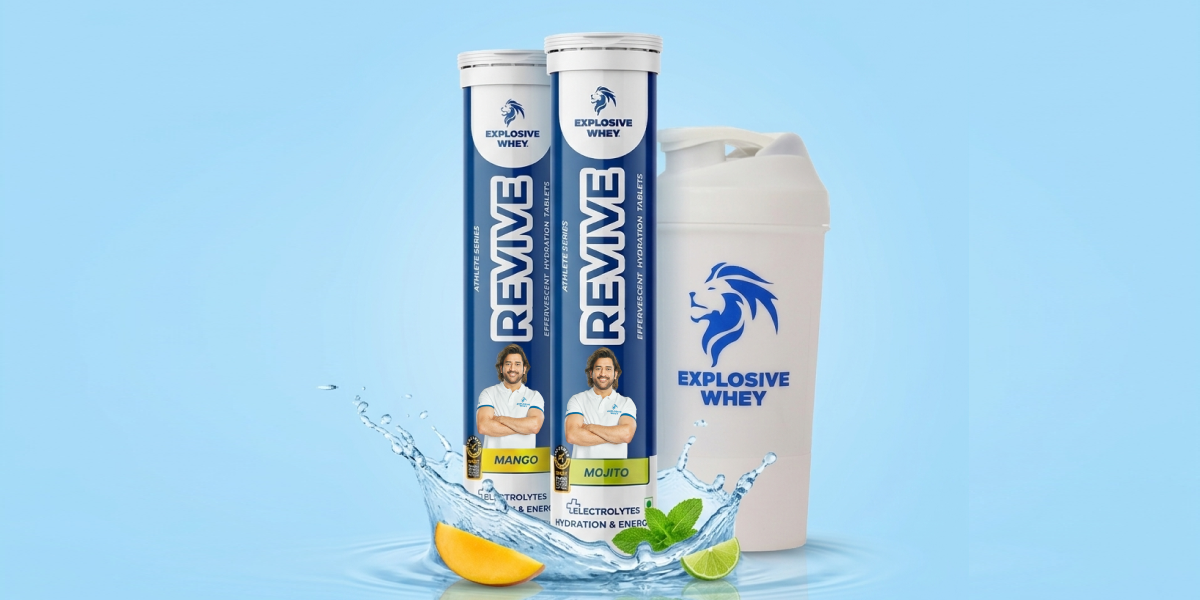
Revive by Explosive Whey is built specifically around everyday and active-lifestyle hydration - a balanced electrolyte profile of sodium, potassium, magnesium, and calcium, just 0.07g of sugar per tablet, and a convenient effervescent format that dissolves in minutes. It's designed for the hydration most people actually need most often: daily training, travel, heat, and recovery - without the sugar load a sports drink carries.
Conclusion
Neither product is universally "better" - sports drinks earn their place during long endurance efforts that genuinely need extra carbohydrate fuel, while hydration tablets are built for the everyday hydration most people actually need far more often. For daily use, training under an hour, travel, or simply cutting back on sugar, a hydration tablet offers a simpler, lower-sugar way to stay properly hydrated. [Shop Revive Hydration Tablets →]
FAQs
Q1: Is a hydration tablet healthier than a sports drink?
For everyday use, yes - hydration tablets like Revive contain a fraction of the sugar found in most sports drinks while still delivering a strong electrolyte profile.
Q2: Can I use a hydration tablet instead of a sports drink during a long run?
For runs or workouts under an hour, a hydration tablet is usually sufficient. For efforts beyond 90 minutes, the added carbohydrate in a sports drink can help maintain energy levels.
Q3: Why do sports drinks contain more sugar than hydration tablets?
Sports drinks are formulated to deliver quick-access carbohydrate fuel for long endurance efforts, which is why they carry meaningfully more sugar than a hydration tablet designed purely for electrolyte replacement.
Q4: Are hydration tablets more cost-effective than sports drinks?
Generally yes, since a single tablet dissolved in water you already have tends to cost less per serving than a pre-bottled sports drink.




Leave a comment
This site is protected by hCaptcha and the hCaptcha Privacy Policy and Terms of Service apply.