
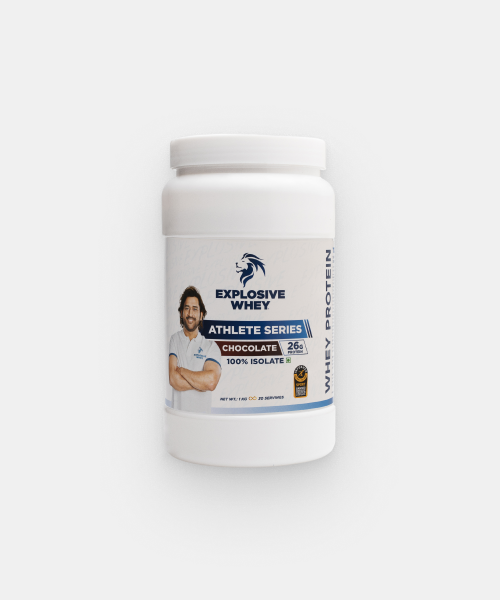
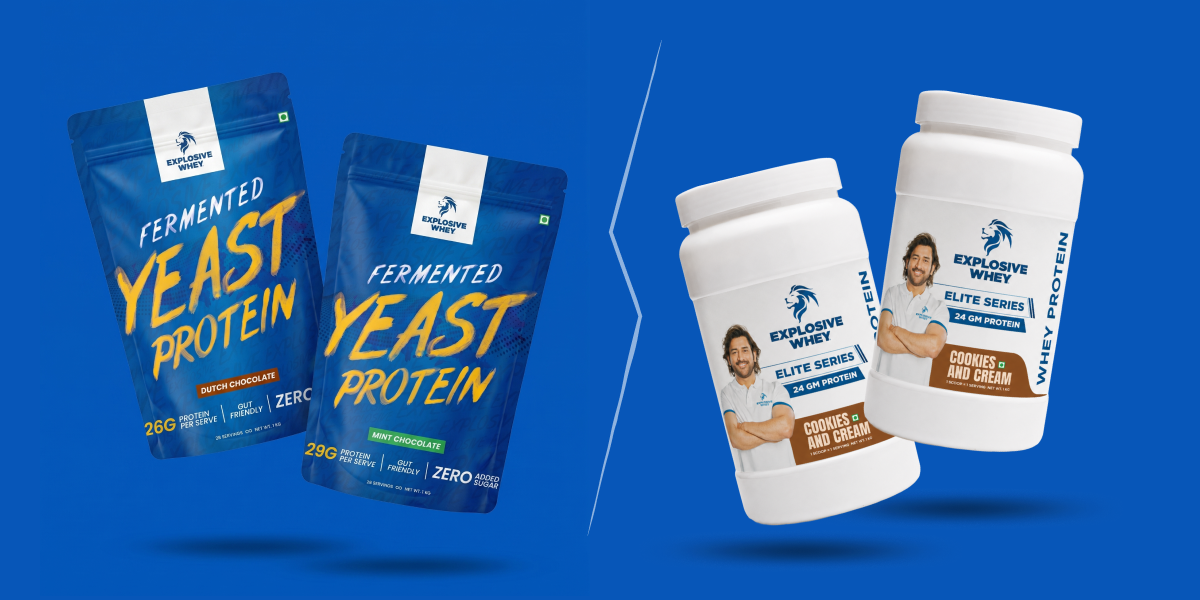
If you've been protein-powder shopping lately, you've probably noticed a new name popping up next to the usual whey tubs: yeast protein. It's showing up in vegan protein blends, gut-health supplements, and "sustainable nutrition" marketing everywhere and for good reason. Whey prices have been climbing, more people are cutting back on dairy, and yeast protein has quietly become one of the few plant-adjacent proteins that can genuinely go toe-to-toe with whey on quality.
So how do the two actually compare? Let's break it down.
What Is Whey Protein?
Whey protein is a byproduct of cheese-making. When milk is curdled and strained, the liquid left behind is whey, and that liquid is rich in fast-digesting, high-quality protein. It's been the go-to choice for gym-goers and dietitians for decades because it digests quickly, tastes good, and delivers a strong dose of leucine, the amino acid most responsible for triggering muscle protein synthesis.
The catch: it's a dairy product. That makes it a poor fit for anyone who's lactose intolerant, has a dairy allergy, or simply avoids animal products.
What Is Yeast Protein?
Yeast protein comes from a completely different process fermentation. A specific strain of yeast (commonly Saccharomyces cerevisiae) is grown in a controlled bioreactor, harvested, and processed into a protein-rich powder, usually landing around 80% protein by weight. Because it's grown rather than farmed, it requires far less land and water than dairy or crop-based proteins, which is a big part of why it's marketed as a sustainable alternative.
It's also completely free of animal products, dairy, soy, and most common allergens, which makes it appealing to vegans, people with sensitive stomachs, and anyone trying to diversify their protein sources.

Head-to-Head: Yeast Protein vs Whey Protein
1. Protein Quality & Amino Acid Profile
Both are considered "complete" proteins, meaning they supply all nine essential amino acids your body can't produce on its own. Yeast protein typically scores a PDCAAS (Protein Digestibility-Corrected Amino Acid Score) of around 1.0 the maximum possible putting it on par with whey. Where whey pulls ahead slightly is in leucine concentration, which gives it an edge for rapid muscle protein synthesis right after a workout. Yeast protein's amino acid release is slower and more sustained, which is a different kind of useful rather than a worse one.
2. Digestion & Gut Comfort
This is where yeast protein tends to shine. Whey digests fast which is great for a post-workout spike, but can cause bloating, gas, or discomfort in people who are lactose-sensitive or simply digest dairy poorly. Yeast protein's fermentation process partially breaks down its structure before you even consume it, which many people find gentler on the gut. Some yeast protein products also naturally contain beta-glucans and prebiotic fibers that can support a healthy gut microbiome a benefit whey simply doesn't offer.
3. Allergens & Dietary Fit
Whey is a no-go for anyone avoiding dairy, whether for allergy, intolerance, or ethical reasons. Yeast protein sidesteps that issue entirely it's dairy-free, soy-free, and suitable for vegan and vegetarian diets. If you're building a product or diet plan around inclusivity, yeast protein covers more people out of the box.

4. Taste & Texture
Whey has a long head start here decades of flavor R&D have made it easy to mix into a smooth, pleasant shake. Yeast protein has a naturally more earthy, slightly nutty flavor, which newer formulations mask well with natural sweeteners and flavoring, but it's worth setting expectations if you're used to a classic whey shake.
5. Sustainability
This is arguably yeast protein's strongest differentiator. It's produced in controlled fermentation tanks rather than on farms, using a fraction of the land, water, and feed inputs that dairy or livestock production requires. For environmentally conscious buyers, that's a meaningful reason to switch independent of any nutritional comparison.
6. Cost
Whey has historically been the more affordable option, but rising dairy and whey production costs (whey is only a byproduct, so supply can't easily scale with demand) have been narrowing that gap. Yeast protein production happens in controlled, scalable bioreactors, which gives it more room to become cost-competitive as the category grows.
Quick Comparison Table
|
Factor |
Yeast Protein |
Whey Protein |
|
Source |
Fermented yeast (bioreactor) |
Dairy byproduct |
|
Complete protein |
Yes (PDCAAS ~1.0) |
Yes |
|
Leucine content |
Moderate |
High |
|
Digestion speed |
Slower, sustained release |
Fast |
|
Gut-friendliness |
Generally easier to digest, prebiotic effect |
Can cause bloating in sensitive individuals |
|
Dairy/allergen-free |
Yes |
No |
|
Vegan-friendly |
Yes |
No |
|
Sustainability |
Low land/water use |
Higher environmental footprint |
|
Flavor |
Slightly earthy/nutty (improving with formulation) |
Neutral, well-established |
So, Which One Should You Choose?
There's no universal winner here it depends on what you're optimising for.
- Choose whey protein if you want the fastest possible post-workout absorption, the highest leucine content for muscle building, and you have no issue with dairy.
- Choose yeast protein if you're vegan, lactose-intolerant, prioritise gut comfort, or want a more sustainable protein source without sacrificing amino acid quality.
Increasingly, the two aren't even competitors so much as complements some brands are blending yeast and whey (or yeast and plant proteins) to combine fast absorption with gut-friendly, sustainable sourcing.
The Bottom Line
Whey protein isn't going anywhere it's still the gold standard for fast muscle recovery. But yeast protein has earned its spot on the shelf as a genuinely complete, allergen-free, and sustainable alternative, not just a "vegan consolation prize." If digestive comfort, dietary restrictions, or environmental impact matter to you, it's worth giving yeast protein a real trial rather than assuming whey is your only high-quality option.
Curious to try it for yourself? [Explore our yeast protein powder] and see how it fits into your routine.
FAQs
1. Is yeast protein as effective as whey for building muscle?
Yes it's a complete protein with a PDCAAS of ~1.0, matching whey. Whey has slightly more leucine for faster muscle synthesis, but yeast protein still supports growth well with slower, sustained release.
2. Can I switch from whey to yeast protein without losing gains?
Yes, as long as your total daily protein stays the same. The main difference is digestion speed, not effectiveness.
3. Is yeast protein safe for people with allergies?
It's generally well-tolerated, but anyone with a true yeast allergy or gout/purine sensitivity should check with a doctor first.
4. Does yeast protein taste as good as whey?
It's slightly earthier and nuttier than whey's neutral taste, but modern flavored formulas mask this well.


Leave a comment
This site is protected by hCaptcha and the hCaptcha Privacy Policy and Terms of Service apply.