
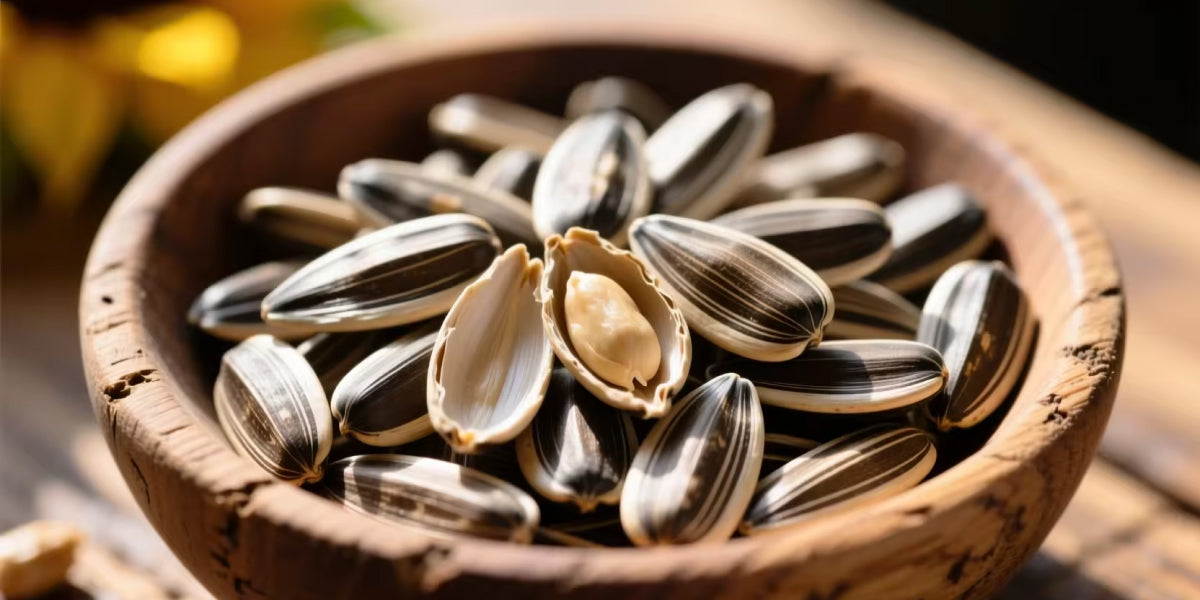
Sunflower seed protein is a natural, plant-based source of nutrition that supports strength, endurance, and recovery. Many athletes choose it because it delivers clean protein along with healthy fats, vitamins, and minerals. It fits easily into a balanced diet and helps maintain steady energy throughout the day. With its nutrient-dense profile, sunflower seed protein is becoming a popular choice for active lifestyles.
What is Sunflower Seed Protein for Athletes?
Sunflower seed protein is derived from sunflower seeds after oil extraction. It offers a clean, plant-based protein source that supports muscle repair and energy. Athletes value it for its natural nutrients and easy digestibility. It also provides essential minerals and healthy fats for overall performance. This makes it suitable for both beginners and experienced athletes.
Sunflower Seed Nutritional Profile Overview
Sunflower seeds contain protein, healthy fats, and essential micronutrients. They are rich in vitamin E, magnesium, selenium, and antioxidants. These nutrients support muscle function, heart health, and immunity. Their balanced profile makes them ideal for active individuals. They also help maintain overall wellness and daily vitality.
Protein Content in Sunflower Seeds
Sunflower seeds provide a moderate amount of plant-based protein. They also deliver fiber, minerals, and healthy fats. This combination helps maintain energy and support recovery. It makes them a practical addition to an athlete’s diet. Regular intake can support long-term fitness goals.
How Much Protein in Sunflower Seeds
Sunflower seeds contain about 20–21 grams of protein per 100 grams. A small serving can provide a steady protein boost. This makes them useful for snacks or meals. They help athletes meet daily protein needs naturally. This supports consistent muscle maintenance and recovery.
Amino Acid Composition Breakdown
Sunflower seed protein contains essential and non-essential amino acids. It is especially rich in methionine and cysteine. These amino acids support tissue repair and metabolism. They also contribute to overall muscle recovery. This helps maintain strength during regular training.
Protein Quality for Athletes
Sunflower seed protein offers good digestibility for plant-based diets. It supports muscle maintenance and recovery after workouts. Athletes can combine it with other plant proteins for a complete profile. This improves overall protein quality and performance benefits. It also helps support long-term muscle health.
Comparison with Other Seeds
Compared to some seeds, sunflower seeds provide a balanced protein-to-fat ratio. They also contain more vitamin E than many alternatives. Their mild taste makes them easy to add to meals. This versatility makes them popular among athletes. They also blend well into both sweet and savory dishes.
Sunflower Seed Nutrition Benefits

Sunflower seed protein provides both macronutrients and micronutrients. It supports muscle function, heart health, and daily energy. The nutrient mix helps athletes stay active and recover faster. It also supports overall wellness and balanced nutrition.
Supports Muscle Recovery Naturally
Sunflower seed protein provides amino acids needed for muscle repair. It helps reduce post-workout soreness. Regular intake supports faster recovery cycles. This allows athletes to train more consistently. It also helps maintain strong and healthy muscles.
Promotes Heart Health Function
Sunflower seeds are rich in healthy fats that support heart health. These fats help maintain balanced cholesterol levels. They also support circulation during physical activity. A healthy heart improves endurance and stamina. This helps athletes perform more efficiently.
Rich in Antioxidant Nutrients
Sunflower seeds contain high levels of vitamin E. This antioxidant helps protect cells from oxidative stress. It also supports immune function and recovery. Athletes benefit from reduced exercise-related inflammation. This supports long-term health and performance.
Boosts Daily Energy Levels
The combination of protein, fats, and minerals supports steady energy. It prevents sudden energy crashes during the day. This makes sunflower seeds ideal for active routines. Athletes stay energized for longer training sessions. It also helps maintain focus and productivity.
Athletic Performance and Recovery Support

Sunflower seed protein supports both performance and post exercise recovery. It provides nutrients that help muscles repair and grow. This makes it a useful addition to athletic diets. It also supports consistent strength and endurance.
Enhances Post-Workout Recovery
Sunflower seed protein helps repair muscle fibers after exercise. It provides amino acids needed for tissue rebuilding. This reduces soreness and speeds up recovery time. Athletes can return to training sooner. It also helps maintain consistent workout routines.
Supports Lean Muscle Development
Regular intake supports steady muscle growth. The protein helps maintain lean muscle mass. It also supports strength and body composition. This is useful for both endurance and strength athletes. It contributes to better overall fitness results.
Maintains Sustained Energy Output
Healthy fats in sunflower seeds provide long-lasting energy. They help fuel extended workouts and training sessions. This prevents early fatigue during activity. Athletes can maintain consistent performance. It also supports better endurance over time.
Reduces Exercise-Induced Fatigue
Sunflower seeds contain magnesium and other key minerals. These nutrients help reduce muscle fatigue. They also support proper nerve and muscle function. This leads to better performance and recovery. It also helps prevent frequent muscle cramps.
Micronutrients in Sunflower Seeds
Sunflower seeds provide essential vitamins and minerals. These nutrients support muscle function, immunity, and endurance. They also help maintain overall health. Regular intake supports balanced nutrition for athletes.
Vitamin E Antioxidant Benefits
Vitamin E protects cells from oxidative damage. It supports immune health and recovery. This is important after intense workouts. Athletes benefit from faster healing. It also supports healthy skin and tissues.
Magnesium for Muscle Function
Magnesium supports muscle contractions and relaxation. It helps prevent cramps and stiffness. This mineral also supports energy production. Athletes rely on it for optimal performance. It also helps maintain steady muscle strength.
Selenium Immune System Support
Selenium supports immune function and cell protection. It helps reduce inflammation after training. This improves recovery and overall health. Athletes stay stronger during heavy training cycles. It also supports long-term immune balance.
Healthy Fats for Endurance
Sunflower seeds contain heart-healthy unsaturated fats. These fats provide long-lasting energy. They support endurance during extended workouts. This makes them ideal for active lifestyles. They also help maintain overall cardiovascular health.
How to Add Sunflower Seed Protein to Your Diet

Sunflower seed protein is easy to include in daily meals. It blends well with different foods. This makes it convenient for athletes. It also fits easily into busy routines.
Blend into Protein Smoothies
Add sunflower seed protein to fruit or plant-based smoothies. It mixes easily and boosts protein intake. This makes a quick recovery drink. It’s ideal after workouts. It also improves the nutritional value of smoothies.
Sprinkle on Salads and Bowls
Top salads, grain bowls, or yogurt with sunflower seeds. This adds protein and healthy fats. It also improves texture and flavor. It’s a simple way to increase nutrition. It makes everyday meals more filling.
Use in Healthy Baking Recipes
Sunflower seeds can be added to muffins, breads, or energy bars. They increase protein and nutrient content. This makes baked snacks more athlete-friendly. It’s a smart alternative to processed ingredients. It also adds a natural nutty flavor.
Combine with Other Plant Proteins
Mix sunflower seed protein with rice or pea protein. This creates a more complete amino acid profile. It improves overall protein quality. Athletes get better performance support. It also helps meet higher protein requirements.
Sunflower seed protein is a nutrient-rich, plant-based option for athletes and active individuals. It supports muscle recovery, endurance, and daily energy. With its balanced mix of protein, healthy fats, and micronutrients, it fits easily into a healthy diet. Adding sunflower seed protein to meals is a simple way to improve performance and recovery. It also supports long-term strength and overall wellness.
Plant-Based Protein Powder Benefits PDF > Download
FAQ
1. How much protein is in sunflower seeds?
Sunflower seeds contain about 20–21 grams of protein per 100 grams. This makes sunflower seed protein a convenient plant-based option for daily nutrition and muscle support.
2. What are the nutritional benefits of sunflower seeds?
Sunflower seed protein provides essential amino acids, healthy fats, vitamin E, magnesium, and selenium. These nutrients support muscle recovery, heart health, and sustained energy.
3. Is sunflower seed protein good for athletes?
Yes, sunflower seed protein supports muscle repair, endurance, and recovery. Its nutrient-dense profile helps athletes maintain performance and overall health. It also provides steady energy for regular training.
4. Can sunflower seed protein replace whey protein?
Sunflower seed protein can be a plant-based alternative to whey. When combined with other plant proteins, it offers a more complete amino acid profile for athletic needs. This makes it suitable for vegan and dairy-free diets.



Leave a comment
This site is protected by hCaptcha and the hCaptcha Privacy Policy and Terms of Service apply.