
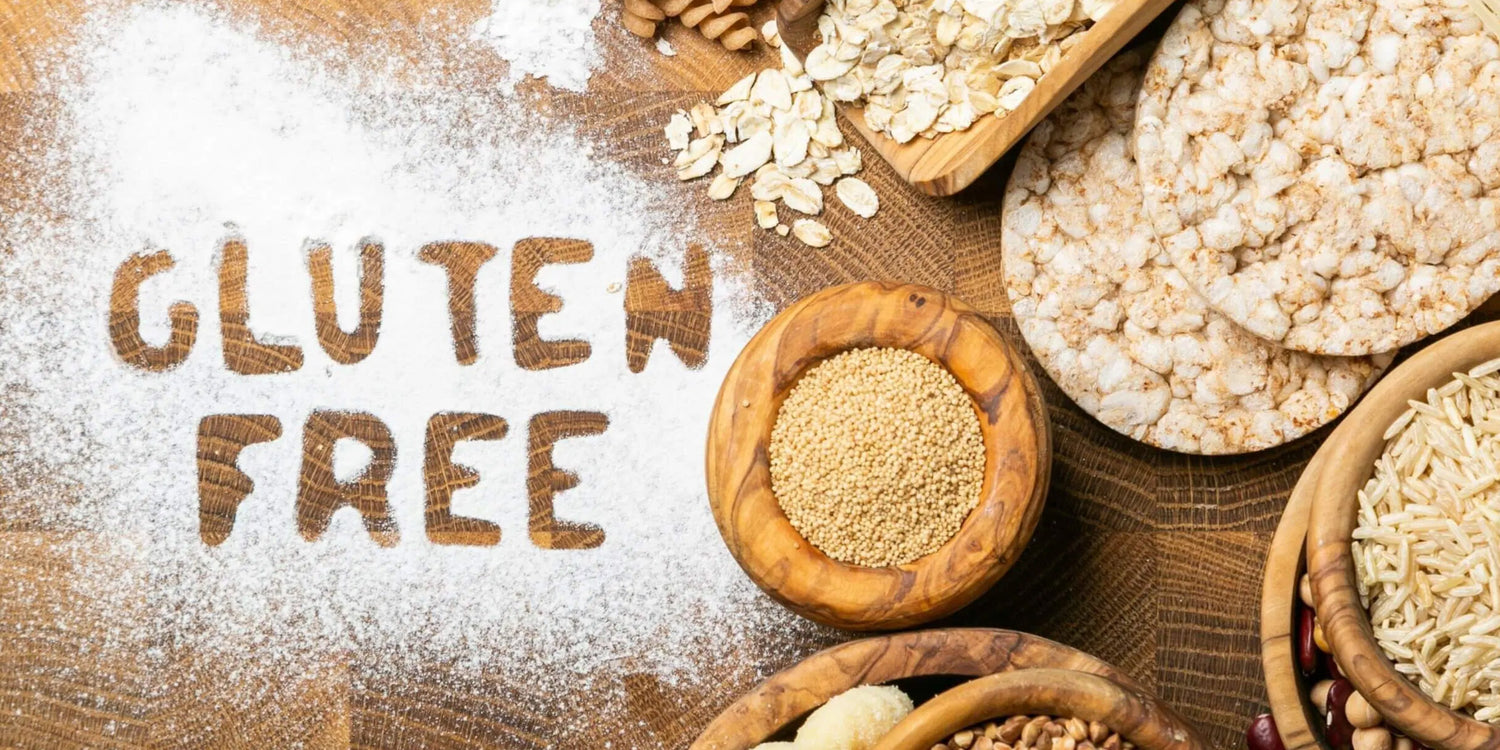
Gluten free protein powder is becoming a popular choice for people who want clean nutrition without digestive trouble. Many still feel confused about gluten, dairy, and protein powders because of common myths. This guide clears those doubts in a simple way. It helps you understand what really makes a protein powder safe and suitable.
Why Choose Gluten Free Protein Powder?
Choosing a gluten free protein powder helps reduce bloating, discomfort, and food sensitivity issues. It supports better digestion, especially for people following a gluten free diet protein powder plan. Many people also prefer protein powder lactose gluten free options for overall gut health. It fits well into modern, clean and mindful eating habits.
What Makes Protein Powder Gluten Free?
A protein powder is gluten free when it is made from ingredients that naturally do not contain gluten. These include plant proteins like pea, rice, and soy, or carefully processed dairy proteins. Strict manufacturing controls are also important to avoid cross-contamination. This is why labels and certifications matter.
Debunking Common Gluten Myths

There are many misunderstandings around gluten and protein powders that need clarity. These myths often stop people from making the right nutrition choices. Let’s clear them one by one in simple terms.
1. All Protein Is Gluten-Free
Not all protein powders are gluten free, even if protein itself sounds safe. Some powders contain fillers, flavorings, or additives with hidden gluten. Cross-contamination during processing can also introduce gluten. Always check labels instead of assuming safety.
2. Gluten-Free Means Healthy
Gluten free does not automatically mean nutritious or healthy. Some gluten free powders may still contain artificial sweeteners or low-quality ingredients. The quality of protein, not just the gluten-free tag, matters most. Balance and clean ingredients are key.
3. Trace Amounts Are Harmless
Even small traces of gluten can cause problems for sensitive individuals. People with gluten intolerance or celiac issues may react to tiny amounts. This is why certified gluten free products are important. Trace safety should never be ignored.
4. Millet Is Always Unsafe
This is a common myth, as many people ask are millet gluten free. Millets are naturally gluten free grains. However, contamination can happen during farming or processing. When sourced carefully, millet-based proteins can be safe.
Sourcing Your Protein Powder
Where your protein comes from plays a big role in safety and digestion. Different sources suit different dietary needs and preferences. Understanding them helps you choose better.
Plant-Based Sources
Plant proteins like pea, rice, and soy are naturally gluten free. They are popular in protein powder gluten and dairy free products. These sources are gentle on digestion and suitable for vegans. They also support clean eating goals.
Dairy-Based Protein Sources
Dairy proteins like whey protein isolate can be gluten free when processed properly. Some options are also lactose-reduced or lactose-free. Always confirm labels when choosing protein powder, lactose-free, and gluten-free varieties. Processing quality matters here.
Millet and Ancient Grain Proteins
Millet and ancient grains can be gluten free when handled carefully. They offer unique nutrients and fiber benefits. Certification ensures safety for sensitive diets. These proteins are gaining popularity in clean nutrition.
Mixed Source Protein Blends
Some powders combine plant and dairy proteins for balanced nutrition. These blends can be gluten free if each ingredient is verified. Mixed blends offer better amino acid profiles. Label checking is essential with such products.
Gluten and Lactose Free Benefits

Choosing protein powder lactose-free gluten-free options offers multiple health advantages. It supports digestion, comfort, and nutrient use. These benefits suit many lifestyles.
Improved Digestive Comfort
Removing gluten and lactose reduces bloating and stomach discomfort. The gut feels lighter and more settled after consumption. This improves consistency in daily protein intake. Comfort helps long-term fitness goals.
Reduced Allergy Risk
Gluten and lactose are common triggers for food reactions. Gluten free protein powder lowers the risk of irritation. It suits people with mild sensitivities, too. This makes nutrition safer and stress-free.
Better Nutrient Absorption
When digestion improves, nutrient absorption becomes more efficient. The body uses protein better for muscle repair and energy. Less irritation means better results. Clean digestion supports overall wellness.
Suitable for Sensitive Diets
These powders fit well into special diets like gluten free or dairy free plans. They are easy to include in daily meals. Sensitive eaters feel more confident with such options. Flexibility is a big benefit.
Who Should Choose Gluten Free Protein
Gluten free protein powder is not only for people with an intolerance. Many others can benefit from it, too. Understanding who needs it helps make smarter choices.
People With Gluten Sensitivity
Those with gluten sensitivity often experience discomfort after gluten intake. A gluten free protein powder avoids these issues. It helps them meet protein needs safely. Comfort improves daily nutrition habits.
Individuals With Lactose Intolerance
People who struggle with dairy digestion benefit from protein powder lactose gluten free options. These reduce gas, bloating, and cramps. Digestion becomes smoother and easier. This supports consistent intake.
Athletes With Digestive Issues
Athletes need protein but cannot afford stomach upset. Gluten and dairy free options keep digestion stable during training. This helps performance and recovery. Comfort supports better workouts.
Clean Eating Lifestyle Followers
Clean eaters prefer simple and transparent ingredients. Gluten free protein powder fits this mindset well. It aligns with minimal and mindful nutrition choices. Clean eating feels easier.
Choosing Your Ideal Powder

Selecting the right powder ensures safety, results, and satisfaction. Small checks can make a big difference. Always choose with care.
Reading Gluten Free Labels
Look for certified gluten free statements on packaging. This confirms proper testing and safety standards. Avoid vague or unclear claims. Labels guide smarter decisions.
Matching Personal Nutrition Needs
Choose protein based on your diet, goals, and digestion. Vegans, athletes, and sensitive eaters have different needs. Matching needs improves results. Personal fit matters most.
Verifying Trusted Brand Sources
Buy from brands that share sourcing and testing details openly. Trusted brands reduce contamination risks. Transparency builds confidence in daily use. Quality brands support long-term health.
Gluten free protein powder helps break common myths around gluten, dairy, and protein nutrition. It supports digestion, comfort, and clean eating goals. Not all protein powders are the same, so informed choices matter. With proper labels and quality sources, gluten free protein fits many healthy lifestyles.
Gluten Free Protein Ingredient Checklist - PDF > Download
FAQ
1) Are all protein powders gluten free?
No, not all protein powders are gluten free. Some contain gluten-based additives or may be contaminated during processing. Always check for gluten free certification on the label.
2) Is gluten free protein powder also dairy free?
Not always. Some gluten free protein powders still contain dairy ingredients. If you need both, choose protein powder gluten and dairy free options specifically.
3) Are millet-based protein powders gluten free?
Millets are naturally gluten-free, but contamination can occur during processing. Certified millet-based powders are safer for gluten-sensitive individuals.
4) Who should use gluten-free and dairy free protein powder?
People with gluten sensitivity, lactose intolerance, digestive issues, or clean eating goals benefit most. Athletes and health-focused individuals also prefer these options.

Leave a comment
This site is protected by hCaptcha and the hCaptcha Privacy Policy and Terms of Service apply.