

HYROX is unlike traditional endurance races or strength competitions. It combines running intervals with demanding functional fitness stations, creating a unique challenge that tests cardiovascular endurance, muscular strength, power output, and recovery capacity simultaneously.
Because HYROX athletes must perform at high intensity for extended periods, training alone is not enough. Proper hyrox nutrition plays a critical role in maximizing performance, supporting recovery, improving energy levels, and helping athletes consistently progress through their training cycles.
Whether you're preparing for your first HYROX event or looking to improve your race performance, building a structured nutrition strategy can significantly impact your results.
[Image: Athlete nutrition meal setup featuring balanced meals, hydration products, whey protein, electrolytes, fruits, oats, rice, lean protein, and supplements]
Why Nutrition Is Important for HYROX Training Performance
HYROX places substantial demands on the body. Athletes must repeatedly switch between running and high-output functional movements such as sled pushes, rowing, burpees, lunges, and wall balls.
Without proper nutrition, athletes often experience:
- Early fatigue during workouts
- Reduced power output
- Poor recovery between sessions
- Muscle soreness lasting longer than necessary
- Increased risk of injury
- Reduced training consistency
A well-planned nutrition strategy helps:
- Maintain stable energy levels
- Improve endurance performance
- Support muscle recovery and adaptation
- Enhance hydration status
- Promote better body composition
- Improve overall race-day performance
Proper fueling ensures your body can handle both the running and strength demands that make HYROX unique.
Understanding the Ideal HYROX Athlete Diet
A successful HYROX nutrition plan should provide the right balance of carbohydrates, proteins, healthy fats, fluids, and micronutrients.
Importance of Carbohydrates for Endurance
Carbohydrates serve as the primary fuel source for high-intensity exercise.
During HYROX training, glycogen stores are rapidly depleted through:
- Running intervals
- Rowing
- SkiErg sessions
- High-volume circuit training
- Strength-endurance workouts
Athletes who under-consume carbohydrates often struggle with:
- Low energy
- Slower pace times
- Reduced training quality
- Delayed recovery
Excellent carbohydrate sources include:
- Oats
- Rice
- Sweet potatoes
- Whole grain bread
- Bananas
- Fruits
- Quinoa
- Pasta
For athletes following an endurance runner diet, carbohydrates should remain a major component of daily nutrition.
Protein Intake for Muscle Recovery
Protein supports muscle repair, recovery, and adaptation after intense training.
HYROX athletes perform significant resistance-based work throughout training, making adequate protein intake essential.
High-quality protein sources include:
- Chicken breast
- Fish
- Eggs
- Greek yogurt
- Paneer
- Lean meats
- Whey protein supplements
Most athletes benefit from consuming protein evenly throughout the day rather than in a single meal.
Healthy Fats for Performance Support
Healthy fats contribute to:
- Hormone production
- Joint health
- Long-duration energy production
- Overall recovery
Good fat sources include:
- Avocados
- Nuts
- Seeds
- Olive oil
- Nut butters
- Fatty fish
While carbohydrates fuel performance, healthy fats provide important support for overall athletic health.
Hydration and Electrolyte Balance
Even mild dehydration can negatively affect:
- Endurance
- Strength output
- Coordination
- Recovery
HYROX athletes often lose significant amounts of fluids and electrolytes through sweat during training sessions.
Key electrolytes include:
- Sodium
- Potassium
- Magnesium
- Calcium
Maintaining hydration throughout the day is just as important as drinking during workouts.
Best Pre-Workout Meals for HYROX Training
Your pre run nutrition strategy directly influences workout quality and performance.
The goal is to provide readily available energy while avoiding digestive discomfort.

Foods for Sustained Workout Energy
Ideal pre-workout meals combine carbohydrates with moderate protein.
Examples include:
- Oats with banana and honey
- Rice with grilled chicken
- Whole grain toast with peanut butter
- Greek yogurt with berries
- Smoothie with fruit and whey protein
These foods help maintain energy throughout demanding training sessions.
Meal Timing Before Training
Timing can be just as important as food selection.
2–3 Hours Before Training
Consume a larger balanced meal containing:
- Complex carbohydrates
- Lean protein
- Moderate healthy fats
30–60 Minutes Before Training
Choose lighter options such as:
- Banana
- Rice cakes
- Sports drink
- Small protein shake
This timing strategy supports performance without causing digestive issues.
Easy Digesting Pre-Workout Snacks
When training early in the morning, athletes may prefer lighter snacks such as:
- Banana
- Dates
- Applesauce
- Rice cakes
- Energy gels
These options provide quick energy while remaining easy to digest.
Hydration Before Intense Sessions
Aim to:
- Drink water consistently throughout the day
- Consume fluids 60–90 minutes before training
- Include electrolytes during hotter conditions or longer sessions
Starting a workout well-hydrated can significantly improve performance.
Post-Workout Recovery Nutrition for HYROX Athletes
Recovery nutrition helps athletes adapt to training and prepare for future sessions.
A proper post run recovery meal should replenish glycogen stores and support muscle repair.

Protein and Carbohydrate Recovery Meals
Effective recovery meals combine:
- Fast-digesting protein
- Quality carbohydrates
Examples include:
- Whey protein shake with banana
- Chicken and rice
- Greek yogurt with fruit
- Egg wrap with potatoes
- Smoothie with oats and whey protein
This combination supports both muscle recovery and glycogen replenishment.
Importance of Recovery Nutrition Timing
The first 30–60 minutes after training is often considered a valuable recovery window.
Consuming protein and carbohydrates shortly after exercise can help:
- Accelerate recovery
- Reduce muscle breakdown
- Support adaptation
- Improve readiness for future sessions
Recovery Smoothies and Protein Shakes
Recovery shakes are convenient for busy athletes.
A quality recovery smoothie may include:
- Whey protein
- Banana
- Oats
- Berries
- Milk or water
This creates an effective recovery meal that is quick to prepare and easy to consume.
Hydration After Workouts
Post-workout hydration should focus on replacing lost fluids and electrolytes.
Athletes should:
- Drink water regularly
- Use electrolyte supplements when needed
-
Monitor hydration through urine color and thirst levels
Best Supplements to Support HYROX Nutrition Goals
Supplements should support—not replace—a strong nutrition foundation.

Whey Protein for Recovery Support
Whey protein is one of the most effective supplements for athletes seeking convenient, high-quality protein.
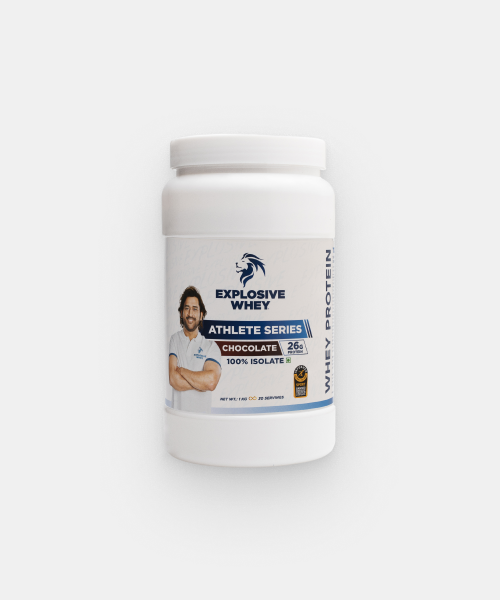
Athlete Series Whey
Designed for athletes requiring reliable daily protein support for recovery, muscle maintenance, and performance.
Nitro Series Whey
An excellent option for individuals looking to increase protein intake while supporting training adaptation and recovery.
RAW Series Whey (Isolate)
A fast-digesting, high-protein option with minimal carbohydrates and fats, ideal for athletes prioritizing lean muscle recovery.
Electrolytes for Endurance Athletes
Hydration is critical for HYROX performance.
REVIVE
REVIVE helps replenish essential electrolytes lost through sweat, supporting hydration, endurance, and recovery during demanding training sessions.
Daily Protein Intake Support
Athletes often struggle to meet protein requirements through food alone.
Athlete Series Whey
Convenient daily protein support.
Nitro Series Whey
Supports higher protein demands during intense training phases.
RAW Series Whey (Isolate)
Ideal for athletes seeking high protein with minimal additional calories.
Recovery Nutrition Supplementation
BCAA
BCAAs can support recovery during periods of intense training and may help reduce muscle breakdown.
Creatine
Creatine is one of the most researched sports supplements available.
Benefits include:
- Increased strength
- Improved power output
- Better training capacity
- Enhanced recovery support
For HYROX athletes balancing strength and endurance, creatine can be a valuable addition to a comprehensive nutrition plan.
Common Nutrition Mistakes HYROX Athletes Should Avoid
Skipping Recovery Meals
Failing to refuel after training can delay recovery and negatively impact future performance.
Poor Hydration Habits
Many athletes underestimate fluid losses, especially during longer sessions or warmer weather.
Under-Eating Carbohydrates
Low carbohydrate intake often leads to:
- Reduced endurance
- Poor training quality
- Increased fatigue
Carbohydrates remain essential for HYROX success.
Inconsistent Meal Timing
Irregular eating patterns can negatively affect:
- Energy levels
- Recovery
- Training consistency
Creating a structured nutrition schedule helps maintain performance throughout the week.
Conclusion
HYROX athletes require a unique nutritional approach that supports both endurance and strength performance. A balanced intake of carbohydrates, protein, healthy fats, fluids, and targeted supplementation can help maximize training quality and recovery.
By focusing on proper hyrox nutrition, strategic pre run nutrition, effective post run recovery meal choices, and a well-planned endurance runner diet, athletes can fuel every training session with confidence and perform at their best on race day.
FAQs
What should athletes eat before and after HYROX training?
Before training, focus on easily digestible carbohydrates with moderate protein such as oats, bananas, rice, or yogurt. After training, consume a combination of protein and carbohydrates to support recovery and replenish energy stores.
Is whey protein useful for HYROX recovery?
Yes. Whey protein provides high-quality amino acids that support muscle repair and recovery after demanding HYROX training sessions.
How much protein do HYROX athletes need?
Most active athletes benefit from consuming approximately 1.6–2.2 grams of protein per kilogram of body weight daily, depending on training volume and goals.
What foods support endurance performance?
Foods rich in carbohydrates such as oats, rice, potatoes, fruit, whole grains, and sports nutrition products help support endurance performance by maintaining glycogen stores and energy availability.





Leave a comment
This site is protected by hCaptcha and the hCaptcha Privacy Policy and Terms of Service apply.