
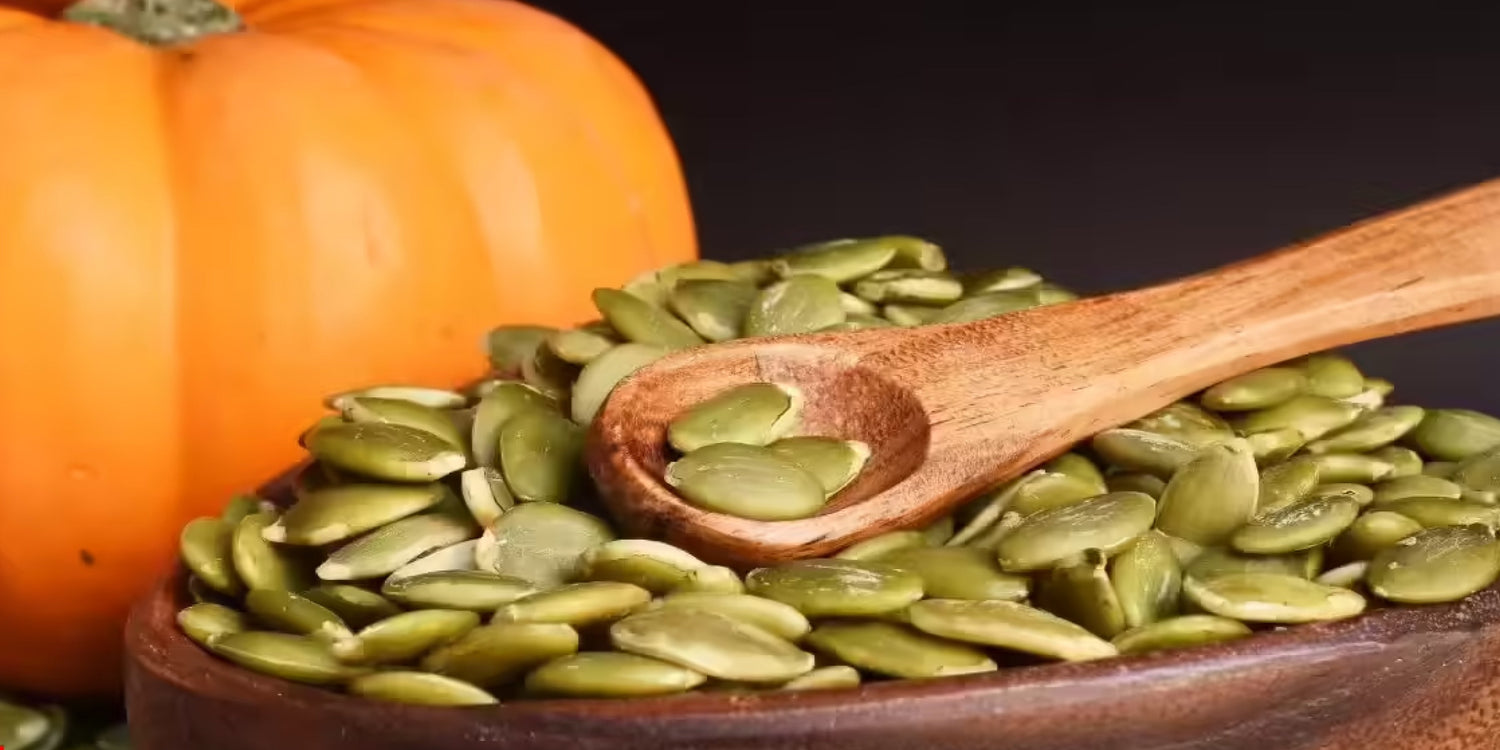
Pumpkin Seed Protein is becoming a popular choice for people looking for clean and plant-based nutrition. It is packed with natural nutrients, easy to digest, and suitable for everyday use. Many people include it in their diets to support muscle health, heart wellness, and immunity. Understanding its benefits makes it easier to use it the right way.
What Is Pumpkin Seed Protein Powder?
Pumpkin Seed Protein powder is made by cold-pressing pumpkin seeds to remove their natural oils. The remaining seed material is finely ground to create a protein-rich powder. This process keeps most nutrients intact while increasing protein concentration. It is naturally free from dairy, gluten, and soy.
Pumpkin Seed Nutritional Profile Overview
Pumpkin seeds contain protein, healthy fats, fiber, magnesium, zinc, and iron. These nutrients support energy levels, muscle strength, and immune function. The powdered form delivers these nutrients in a concentrated and convenient way. This explains the wide pumpkin seed nutrition benefits seen in daily diets.
Pumpkin Seed Protein Content

Pumpkin seed protein content depends on how the powder is processed. It offers a solid plant-based protein amount along with important minerals. Knowing the content helps compare it with other protein options and plan intake better.
Protein Per Serving Amount
A standard serving of pumpkin seed protein powder provides around 18–22 grams of protein. This supports daily protein needs without adding too many calories. It answers common questions about how much protein is in pumpkin seeds when consumed as powder. This makes it suitable for regular daily use.
Amino Acid Profile Quality
Pumpkin seed protein contains essential amino acids like arginine, leucine, and glutamic acid. These amino acids help with muscle repair and blood circulation. While it may not be fully complete alone, it still performs well nutritionally. Eating it with other plant foods improves amino balance naturally.
Comparison With Plant Proteins
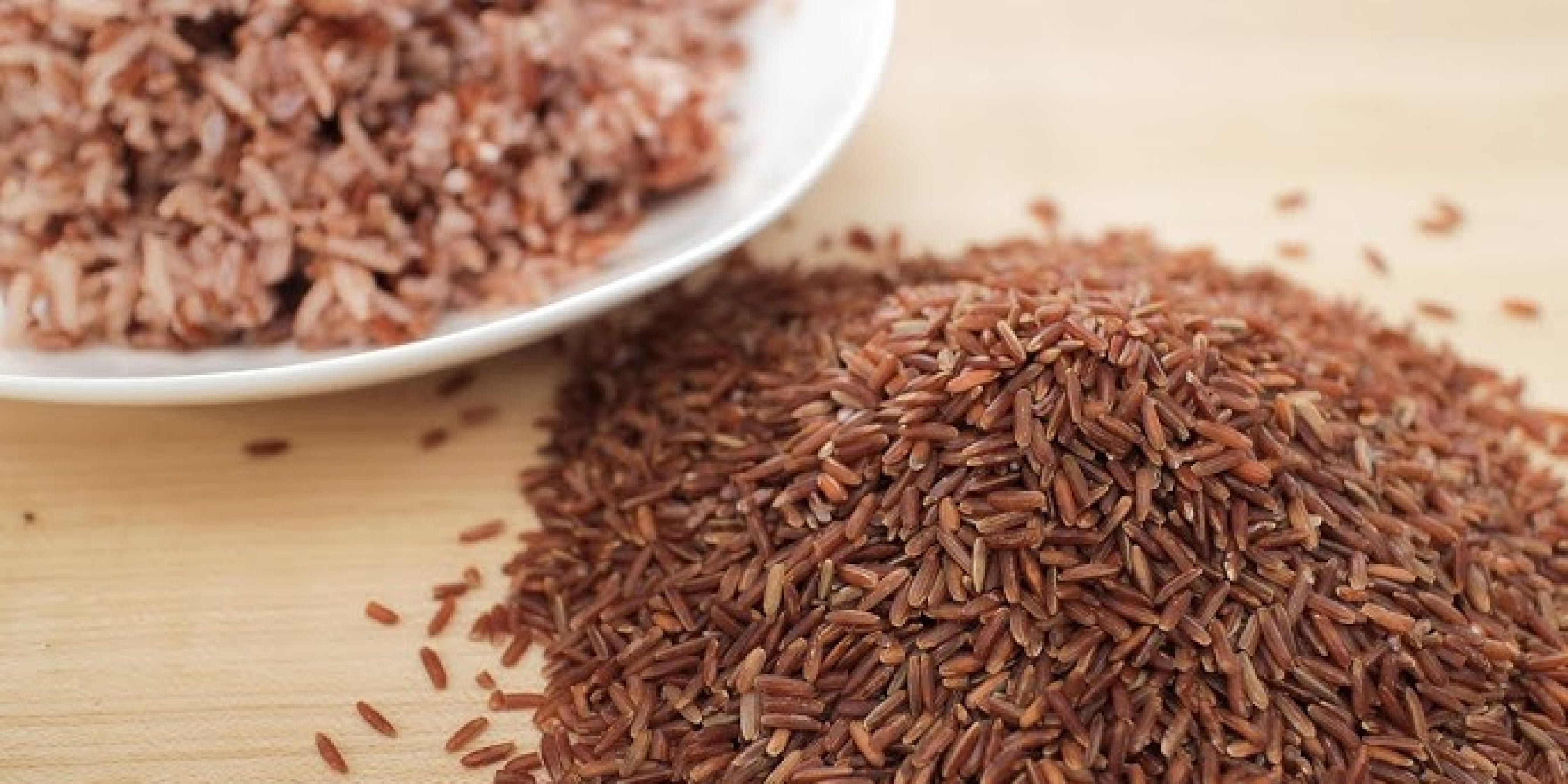
Compared to pea or brown rice protein, pumpkin seed protein offers more minerals such as zinc and magnesium. It is gentler on digestion and has a smoother mouthfeel. Although protein content may be slightly lower, nutrient density is higher. This makes it a well-rounded plant protein choice.
Whole Seeds Versus Powder
Whole pumpkin seeds contain protein, fiber, and healthy fats. The powder removes excess fat and concentrates protein for easier intake. This makes calorie control simpler for some diets. Both forms are beneficial depending on nutrition goals.
Key Health Benefits Explained
Pumpkin seed protein supports overall health through its rich nutrient profile. It helps maintain heart health, muscle strength, immunity, and hormone balance. These benefits make it suitable for everyday nutrition.
Supports Heart Health
Pumpkin seed protein contains magnesium and healthy plant fats that support heart function. These nutrients help maintain healthy blood pressure and circulation. Regular intake supports cardiovascular balance. This explains what pumpkin seeds are good for in heart-focused diets.
Helps Muscle Maintenance
The protein content supports muscle repair and prevents muscle loss. It helps maintain lean muscle mass when consumed consistently. This is helpful for active people and aging adults. Muscle maintenance improves overall strength and mobility.
Promotes Immune Function
Pumpkin seed nutritional information highlights zinc, which plays a key role in immunity. Zinc supports the body’s ability to fight infections and heal wounds. Protein also supports cell repair. Together, they strengthen immune defense naturally.
Supports Hormonal Balance
Pumpkin seed protein contains nutrients that support hormone production and regulation. Zinc plays a role in reproductive and metabolic hormones. Balanced hormones support energy, mood, and overall health. This benefit applies to both men and women.
Digestive and Gut Health

Pumpkin seed protein is known for being easy on digestion. Its plant-based nature supports gut comfort and regularity. This makes it suitable for people with sensitive stomachs.
Easy Digestibility Profile
Pumpkin seed protein is light on the stomach and easy to digest. It absorbs well without causing heaviness or discomfort. This makes it suitable for daily consumption. Many people tolerate it better than dairy proteins.
Natural Fiber Support
Pumpkin seeds naturally contain fiber that supports digestion. The protein powder retains some of this fiber benefit. Fiber helps regulate bowel movements and digestion. This supports overall gut health and comfort.
Reduced Bloating Potential
Pumpkin seed protein is free from lactose and common allergens. This helps reduce bloating and digestive irritation. It suits people with food sensitivities. Comfortable digestion supports consistent use.
Gut Friendly Plant Protein
As a plant-based protein, it supports healthy gut bacteria. It does not disturb digestion like heavily processed proteins. This makes it suitable for long-term dietary use. A healthy gut supports overall wellness.
Fitness and Active Nutrition

Pumpkin seed protein fits well into fitness and active lifestyles. It supports recovery, strength, and sustained energy. Clean nutrition helps improve workout consistency.
Supports Muscle Recovery
Protein helps repair muscle fibers after workouts. Pumpkin seed protein provides amino acids needed for recovery. This helps reduce soreness and fatigue. Faster recovery supports better training performance.
Sustained Energy Release
Pumpkin seed protein provides steady energy without sudden crashes. Its nutrients help maintain stamina during workouts and daily activities. This supports endurance and focus. Energy balance improves performance.
Suitable for Vegans
Pumpkin seed protein is completely plant-based. It fits easily into vegan and vegetarian diets. It helps meet protein needs without animal products. A dependable vegan protein option.
Complements Strength Training
When paired with strength training, pumpkin seed protein supports muscle growth. It helps maintain lean muscle mass over time. Clean protein supports better results. Consistency leads to visible progress.
How to Use Pumpkin Seed Protein
Pumpkin seed protein is versatile and easy to include in meals. It blends well with many foods and drinks. This flexibility helps meet daily protein goals.
Smoothies and Shakes
Pumpkin seed protein mixes smoothly into smoothies and shakes. It adds protein without overpowering flavor. This makes it easy to consume daily. Ideal for quick nutrition.
Cooking and Baking Uses
It can be added to pancakes, muffins, or energy bars. This increases protein content in everyday meals. It works in both sweet and savory recipes. A simple way to boost nutrition.
Daily Protein Supplement
Pumpkin seed protein can be used as a daily protein supplement. One serving helps meet protein needs easily. It supports overall wellness and balance. Regular use improves consistency.
Combining With Other Proteins
Combining pumpkin seed protein with pea or rice protein improves amino acid balance. This creates a more complete protein profile. Many plant-based blends use this method. It enhances overall nutrition quality.
Pumpkin Seed Protein is a nutrient-rich, plant-based protein that supports heart health, digestion, muscle maintenance, and immunity. Its clean profile makes it ideal for vegans, active individuals, and clean-eating diets. With strong pumpkin seed nutrition benefits and gentle digestion, it fits modern lifestyles well. For balanced plant protein, it is a smart and reliable choice.
FAQ
1) How much protein is in pumpkin seeds per serving?
Pumpkin seed protein powder provides about 18–22 grams of protein per serving, depending on processing.
2)What are pumpkin seeds good for in daily nutrition?
They support heart health, immunity, digestion, and muscle maintenance due to their rich nutrient profile.
3) Is pumpkin seed protein suitable for vegans?
Yes, it is completely plant-based and suitable for vegan and vegetarian diets.
4) How does pumpkin seed protein compare to other plant proteins?
It offers slightly lower protein but higher mineral content and better digestibility than many plant proteins.


Leave a comment
This site is protected by hCaptcha and the hCaptcha Privacy Policy and Terms of Service apply.