
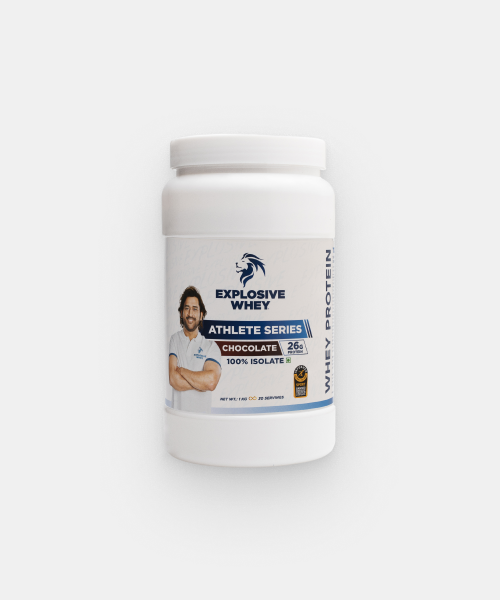
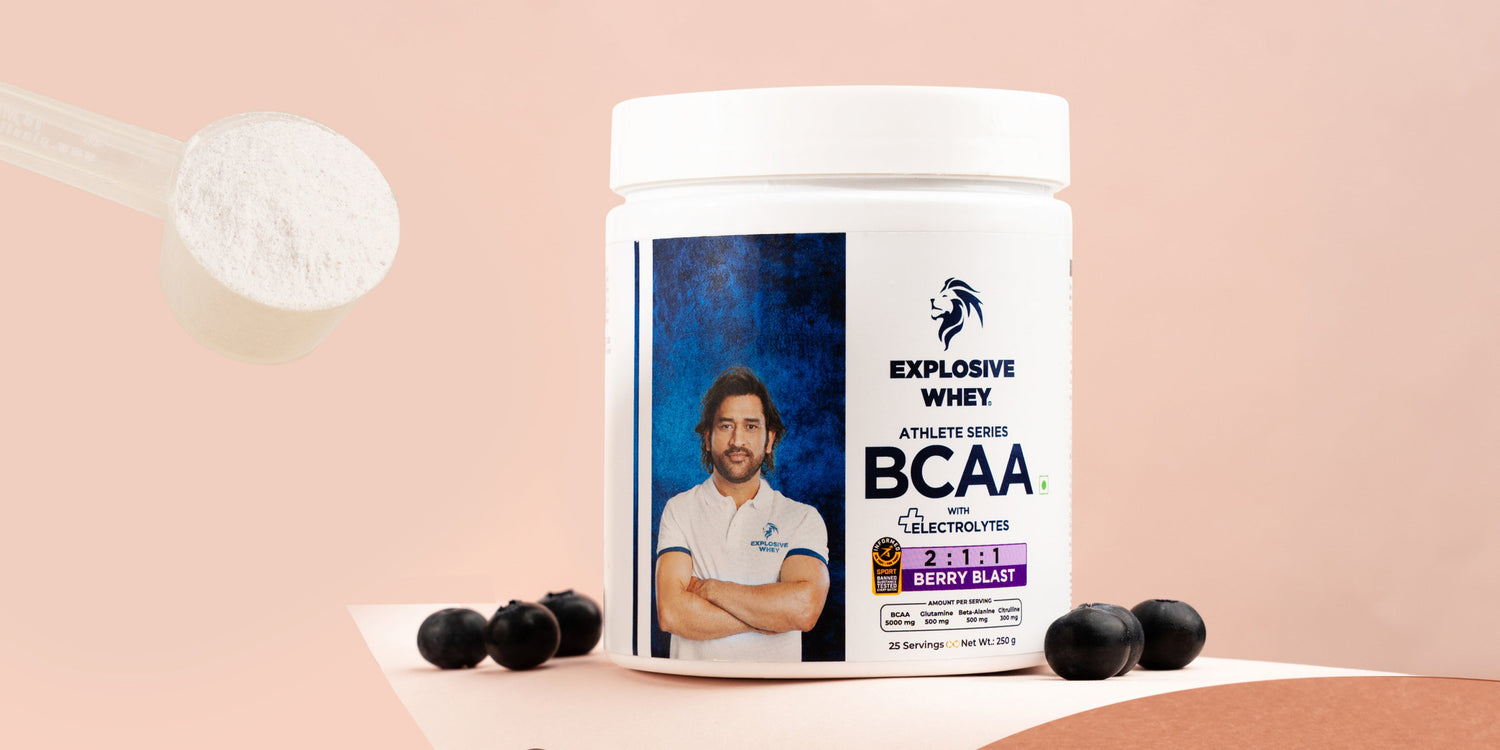
For anyone serious about fitness, recovery protein powder is essential for supporting muscle repair and optimizing workouts. Whether you are aiming for fat loss or building lean mass, recovery protein powders play a key role in replenishing nutrients post-exercise. Many fitness enthusiasts wonder, do protein shakes help you recover efficiently while assisting in weight management? Understanding how these powders work can help you choose the right one for your goals.
Recovery Protein Powder: Insights You Must Know
Recovery protein powders are specifically designed to support the body after intense workouts. Unlike standard protein supplements, they include ingredients that help reduce muscle breakdown and enhance nutrient absorption. These powders can accelerate recovery, reduce fatigue, and contribute to lean mass retention.
Can Recovery Protein Powder Support Weight Loss?
Yes, recovery protein powder can aid weight loss when combined with a proper diet and exercise. Its high protein content boosts metabolism, maintains muscle, and reduces cravings by keeping you full longer. Consistent use alongside strength training helps burn fat while preserving lean mass, making it an effective tool for weight management.
What Makes Recovery Protein Powder Effective
Recovery protein powders are carefully formulated to provide more than just protein. They include specific amino acids, vitamins, and minerals that target post-workout recovery and metabolic support. This makes them more effective than regular protein supplements in supporting fitness goals.
Composition and Ingredients
Recovery protein powders typically contain whey protein, BCAAs, electrolytes, and sometimes added vitamins. These ingredients work together to repair muscles, replenish energy, and reduce post-exercise fatigue. Many formulas also include digestive enzymes to enhance absorption and reduce bloating.
Protein Source Quality
High-quality protein sources like whey isolate or hydrolyzed whey ensure rapid digestion and effective amino acid delivery. These proteins provide all essential amino acids for muscle repair and support faster recovery compared to lower-grade protein powders. Better protein quality also promotes lean mass growth and supports long-term fitness goals.
Differences from Standard Protein
Unlike standard protein powders, recovery-specific formulas focus on rapid nutrient delivery and muscle repair. They often have a mix of fast- and slow-digesting proteins, along with recovery-enhancing compounds like glutamine and BCAAs for optimal post-workout nutrition.
Role in Workout Regimens
Recovery protein powder fits seamlessly into structured training plans. It helps maintain energy levels, reduces muscle breakdown, and allows for consistent performance in subsequent workouts. Using it correctly ensures maximum benefits from your exercise routine and supports both strength and endurance improvements.
How Recovery Protein Supports Muscle Repair

Recovery protein powders directly impact muscle repair and performance, making them crucial for anyone pursuing fitness goals.
Reduces Muscle Soreness
The amino acids in recovery protein powders reduce muscle soreness after exercise. They help repair tiny muscle tears, allowing you to train more consistently without prolonged fatigue or discomfort. Over time, this leads to improved performance and faster adaptation to workouts.
Enhances Amino Acid Delivery
Fast-digesting proteins ensure that essential amino acids reach muscles quickly. This supports protein synthesis, accelerates recovery, and provides the nutrients needed to maintain lean mass effectively. Rapid delivery also reduces post-exercise fatigue and helps muscles recover for the next training session.
Promotes Lean Mass Retention
Recovery protein powder prevents muscle breakdown during calorie restriction. By preserving lean mass while supporting fat loss, it ensures that your body composition improves without sacrificing strength. Maintaining lean mass also keeps metabolism active, aiding long-term fat loss.
Speeds Recovery Time
Using recovery protein powder helps muscles recover faster, allowing you to train more frequently. It also replenishes energy stores and supports glycogen restoration, keeping performance consistent during demanding workouts. Faster recovery reduces the risk of injury and keeps your fitness routine on track.
Role of Recovery Protein in Weight Loss

Protein powders designed for recovery also help manage weight by supporting metabolism and reducing cravings.
Supports Metabolism Boost
High-protein recovery powders increase thermogenesis, helping your body burn more calories. This boost in metabolism makes fat loss easier when combined with regular exercise and a balanced diet. Consistent protein intake also supports long-term weight management.
Maintains Muscle During Fat Loss
Protein is essential for preserving lean muscle mass while losing fat. Recovery protein powders provide adequate amino acids to ensure muscle is retained even in a calorie deficit, improving overall body composition. This allows you to lose fat without sacrificing strength or performance.
Controls Appetite Naturally
Protein promotes satiety by reducing hunger hormones and stabilizing blood sugar levels. Recovery protein powder can naturally curb overeating and support better portion control throughout the day. This helps you stick to a healthy diet without feeling deprived.
Provides Consistent Energy Levels
By supplying a steady stream of amino acids and nutrients, recovery protein powders prevent energy dips. This allows you to stay active, train harder, and remain focused on weight loss goals. Sustained energy also supports better mental focus and daily productivity.
Best Practices for Using Recovery Protein
Using recovery protein powder effectively involves timing, quantity, and pairing with whole foods. Following best practices maximizes its benefits.
Pre-Workout Considerations
Taking a light protein snack before exercise can prime muscles for recovery. It provides essential amino acids during your workout, reducing breakdown and supporting performance. Combining it with a small carbohydrate source can further fuel energy and endurance.
Post-Workout Timing
The ideal time to consume recovery protein is within 30–60 minutes post-workout. This window ensures rapid amino acid delivery and optimal muscle repair for faster recovery. Drinking it immediately after exercise also kickstarts glycogen replenishment for better energy recovery.
Daily Protein Targets
Meeting your daily protein requirement is key for both weight loss and muscle repair. Recovery protein powder can fill gaps in your diet, ensuring you reach the recommended intake without overeating calories. Regular intake also helps maintain consistent energy and satiety throughout the day.
Combining with Whole Foods
Pairing protein powders with whole foods like fruits, vegetables, or oats enhances nutrient absorption. This combination provides fiber, antioxidants, and sustained energy to support recovery and weight management. It also improves overall meal satisfaction and keeps you full longer.
How to Choose the Right Supplement

Selecting the right recovery protein powder requires careful attention to ingredients, quality, and your specific fitness goals.
Check Protein Source
Choose powders with high-quality protein sources like whey isolate or hydrolyzed whey. These ensure rapid digestion and superior amino acid availability for muscle repair. High-quality proteins also reduce digestive discomfort and improve overall supplement effectiveness.
Review Added Ingredients
Look for powders with minimal fillers, sugars, or artificial additives. Ingredients like BCAAs, glutamine, and digestive enzymes enhance recovery and digestion. These additions improve absorption and ensure your body receives maximum benefit from each serving.
Evaluate Brand Reliability
Select reputable brands that test for quality and safety. Reliable companies ensure consistent protein content, potency, and effectiveness for both recovery and weight loss. Verified testing also reduces the risk of contaminants or ineffective formulations.
Assess Taste and Mixability
A protein powder should be easy to mix and enjoyable to drink. Good taste and smooth texture increase adherence to your supplement routine without compromising daily intake. This makes it easier to maintain consistent use and achieve your fitness goals.
Recovery protein powder is an essential tool for anyone looking to repair muscles, support weight loss, and enhance performance. It provides fast-digesting proteins, amino acids, and other nutrients that accelerate recovery, preserve lean mass, and maintain energy levels. Combined with proper training and diet, recovery protein powders can help you achieve fitness goals efficiently while reducing post-workout fatigue.
Effective Protein Powder for Muscle Recovery PDF > Download Now
FAQ
Do recovery protein powders help with weight loss?
Yes, recovery protein powders support weight loss by boosting metabolism, preserving lean muscle, and reducing hunger naturally. They help maintain energy levels and muscle function while promoting fat loss.
What is the best time to consume recovery protein?
The optimal time is within 30–60 minutes post-workout to maximize muscle repair and nutrient absorption. Pre-workout intake can also provide amino acids during exercise for better performance.
Can recovery protein replace whole food protein sources?
While they supplement your diet effectively, recovery protein powders should complement whole foods for balanced nutrition and micronutrient intake. Whole foods provide additional fiber and vitamins that powders alone may lack.
How much recovery protein do I need per day?
Daily protein requirements vary by activity level, but most active adults benefit from 1.2–2.0 grams per kilogram of body weight, which recovery protein powders can help achieve. Regular monitoring ensures you meet your fitness and weight goals safely.



Leave a comment
This site is protected by hCaptcha and the hCaptcha Privacy Policy and Terms of Service apply.