
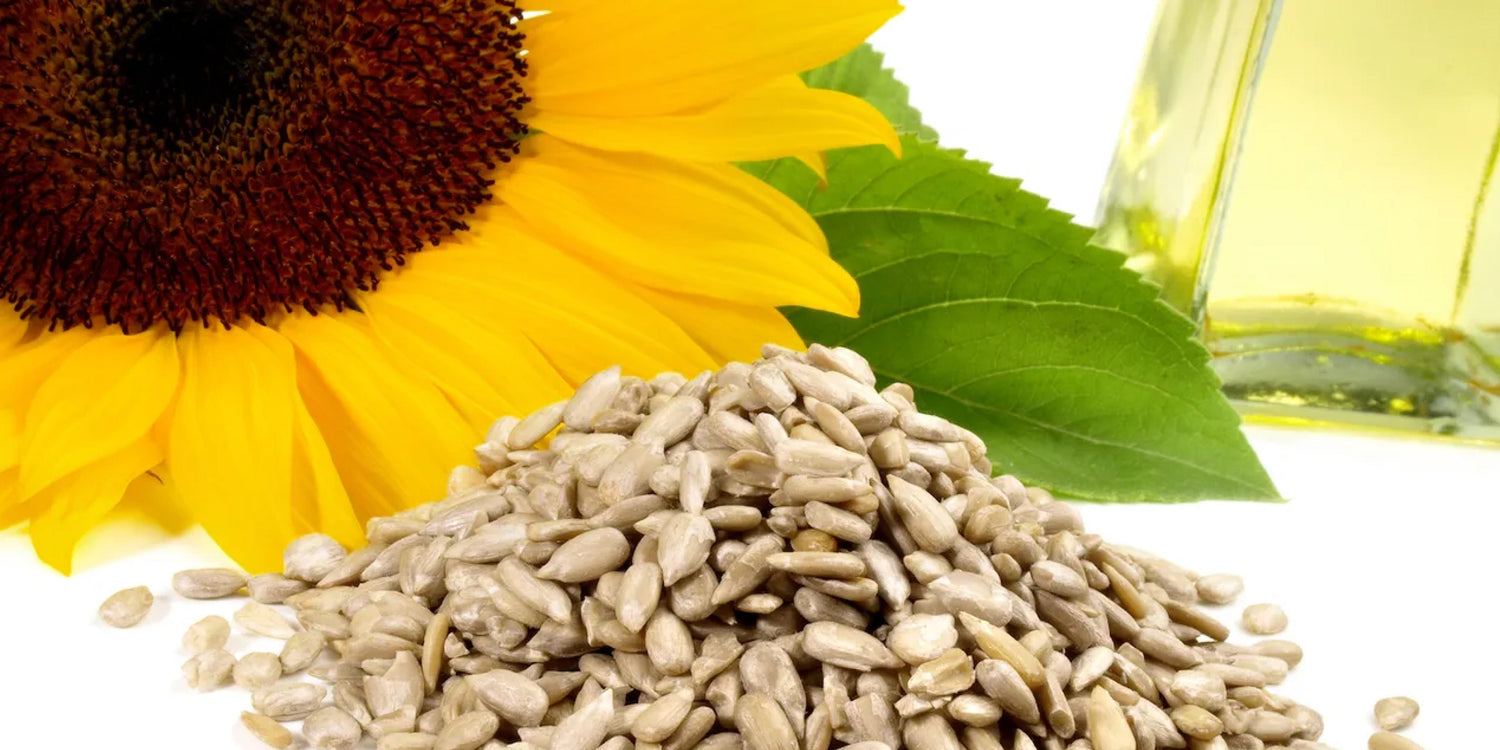
Have you ever looked at a supplement label and seen the word sunflower lecithin and wondered what it actually is? You are not alone. More and more people are discovering this natural ingredient and adding it to their daily routine. Sunflower lecithin is a plant-based compound that comes from sunflower seeds. It is packed with nutrients that support your brain, liver, skin, and heart. The best part is that it is completely natural, non-GMO, and safe for most people.
What Is Sunflower Lecithin?
Sunflower lecithin is a fatty substance that is naturally found in sunflower seeds. It is extracted using a cold-press method, the same gentle process used to make olive oil. This means no harsh chemicals are involved in making it. The result is a clean and natural supplement that is rich in phospholipids, a type of healthy fat that your body uses to build cell membranes.
Sunflower Lecithin Composition and Sources
Sunflower lecithin is made up of several important phospholipids that your body uses for many vital functions. Understanding where it comes from and what it contains helps you make a more informed decision before adding it to your daily routine.
Key Nutrients Found in Sunflower Lecithin
Sunflower lecithin is rich in three important phospholipids: phosphatidylcholine, phosphatidylinositol, and phosphatidylethanolamine. These nutrients play a key role in keeping your brain sharp, your liver healthy, and your cell walls strong. It also contains choline, a nutrient that most people do not get enough of from their regular diet.
Different Forms of Sunflower Lecithin
Sunflower lecithin is available in three main forms: powder, liquid, and soft gel capsules. The powder form is the most popular because it mixes easily into smoothies, coffee, and baked goods. Capsules are the most convenient option for people who want a no-fuss daily supplement without any preparation.
Sunflower Lecithin as a Natural Emulsifier
An emulsifier is something that helps two things mix together that would not normally combine, like oil and water. Sunflower lecithin does this job naturally and effectively in both food and the human body. Inside your body, it helps transport fats smoothly through the bloodstream and keeps cell membranes flexible and healthy.
Benefits of Sunflower Lecithin Explained
Sunflower lecithin offers a wide range of health benefits that go far beyond just being a food additive. From brain support to skin repair, its phospholipid-rich profile makes it one of the most well-rounded natural supplements you can add to your daily health routine.
Supports Brain Function
Sunflower lecithin is one of the best natural nutrients for supporting a healthy brain. It is high in phosphatidylcholine, which is a key building block of brain cell membranes. Regular intake helps keep your brain cells strong, well-connected, and performing at their best every day.
Improves Memory and Focus
Choline, found in sunflower lecithin, is directly linked to memory and learning. Your brain uses choline to produce acetylcholine, a chemical messenger that helps you remember things and stay focused. Adding sunflower lecithin to your diet is a simple and natural way to give your brain the choline it needs daily.
Supports Neurotransmitter Function
Neurotransmitters are the chemicals your brain uses to send signals between nerve cells. Phosphatidylcholine in sunflower lecithin plays a direct role in supporting healthy neurotransmitter production and communication. When your neurotransmitters work well, your mood, focus, memory, and stress response all improve naturally.
Improves Liver Health and Fat Metabolism
 Your liver works hard every day to filter toxins and process the fats you eat. Sunflower lecithin supports the liver by providing phospholipids that help break down and transport dietary fats through the body. Taking sunflower lecithin regularly helps keep your liver functioning smoothly and efficiently every single day.
Aids Fat Breakdown Process
Phosphatidylcholine in sunflower lecithin plays a direct role in breaking down dietary fat. It helps your body process and transport fat molecules so they do not build up in unwanted places like the liver or arteries. Better fat metabolism means more energy, less bloating, and a healthier internal system working efficiently for you.
Supports Liver Detox Function
The liver is your body's main detox organ, and it needs the right nutrients to do its job well. Phospholipids from sunflower lecithin help maintain the structure of liver cell membranes, making it easier for the liver to filter out harmful substances. Supporting your liver with sunflower lecithin is a simple, natural, and effective daily habit.
Promotes Healthy Cholesterol Level Balance
 Cholesterol balance is important for heart health and overall well-being. Sunflower lecithin helps support healthy cholesterol levels by acting as a natural fat emulsifier in the bloodstream. Adding it to your routine is a natural and gentle way to support your heart over time.
Supports Good HDL Levels
HDL is known as the good cholesterol because it carries excess cholesterol away from your arteries and back to the liver for disposal. Sunflower lecithin has been shown to support higher HDL levels in the body naturally. Better HDL levels mean a lower risk of heart disease and better overall cardiovascular health.
Helps Reduce LDL Levels
LDL is the bad cholesterol that can build up in your arteries and increase the risk of heart attacks and strokes. The phosphatidylcholine in sunflower lecithin helps break down LDL particles and prevent them from sticking to artery walls. Combining sunflower lecithin with healthy eating habits gives you the best chance of maintaining a healthy cholesterol profile.
Boosts Skin Hydration and Barrier Repair
Your skin needs healthy fats to stay soft, smooth, and well-protected from daily environmental stressors. Sunflower lecithin is rich in phospholipids that closely resemble the natural fats found in your skin. Many skincare products now include it as a key ingredient because of how effectively it supports skin moisture and barrier strength.
Enhances Skin Moisture Retention
Phosphatidylcholine in sunflower lecithin acts like a natural moisturizer for your skin cells. It helps the skin hold on to water for longer by strengthening the lipid layer that sits on the surface of your skin. People who take it regularly often notice their skin feels softer, plumper, and more hydrated over time.
Strengthens Natural Skin Barrier
Your skin barrier is the outermost layer of your skin, and it acts as a shield against pollutants, bacteria, and water loss. Sunflower lecithin helps rebuild and strengthen this barrier by supplying the essential phospholipids your skin cells need to stay intact. A stronger skin barrier means less redness, less sensitivity, and healthier-looking skin every day.
Soy Lecithin vs Sunflower Lecithin Compared
 Choosing between soy and sunflower lecithin can feel confusing at first, especially when both appear on supplement labels. Understanding the key differences in their source, processing, and safety profile makes it much easier to decide which one is the right fit for your needs.
Key Differences in Source and Processing
Soy lecithin comes from soybeans and is usually extracted using chemical solvents like hexane. Sunflower lecithin, on the other hand, is cold-pressed extracted from sunflower seeds with no harsh chemicals involved. For people who care about clean and natural supplementation, sunflower lecithin is the clearly superior and safer choice available today.
Which Is Safer for Allergic People
Soy is one of the top eight most common food allergens, and people with soy allergies cannot safely consume soy lecithin. Sunflower lecithin is completely soy-free and considered safe for people with soy, dairy, or nut allergies. This makes it the recommended option for allergy-prone individuals who want the same benefits without any risks.
Nutrient Profile: Soy vs Sunflower Compared
Both soy and sunflower lecithin contain phosphatidylcholine and other phospholipids, but their profiles are slightly different. Soy lecithin contains phytoestrogens, which can interfere with hormone balance in some people, especially those with thyroid conditions. Sunflower lecithin does not contain phytoestrogens, making it a cleaner and more hormone-neutral option for daily use.
How to Use Sunflower Lecithin Daily
Using sunflower lecithin daily is easy and does not require major changes to your existing routine. Whether you prefer adding it to food, blending it into drinks, or simply taking a capsule, there is a convenient option for every lifestyle and health goal.
Best Ways to Take Sunflower Lecithin Powder
Sunflower lecithin powder is very easy to use and blends well into many everyday drinks and foods. You can stir it into your morning coffee, smoothie, oatmeal, or yogurt without changing the taste much. Starting with a small amount and gradually increasing your dose is the best approach for your body to adjust comfortably.
Adding Sunflower Lecithin to Recipes
Sunflower lecithin works well as a natural emulsifier in homemade recipes like salad dressings, sauces, and baked goods. Adding it to chocolate recipes helps create a smooth and creamy texture without using artificial additives. Using it in your cooking is one of the easiest and most enjoyable ways to get your daily dose.
Ideal Daily Dosage for Different Health Goals
The recommended daily dose of sunflower lecithin is generally between 1200 mg and 5000 mg, depending on your health goals. For general brain and liver support, 1200 mg to 2400 mg per day is usually enough for most healthy adults. It is always best to start at a lower dose and gradually increase while consulting your doctor if needed.
Best Time to Take It for Maximum Absorption
Sunflower lecithin is a fat-soluble nutrient, which means it is best absorbed when taken with a meal that contains some fat. Taking it with breakfast or lunch is a popular and effective choice for most people. Consistency matters more than timing, so choose a mealtime that fits easily into your daily routine.
Sunflower lecithin is a simple, natural, and powerful substance extracted from sunflower seeds that offers real benefits for your brain, liver, heart, and skin. It is cleaner than soy lecithin, safe for people with allergies, and easy to add to your daily routine in powder, liquid, or capsule form. Whether your goal is better focus, healthier cholesterol levels, glowing skin, or improved liver health, sunflower lecithin is worth considering. Start with a small daily dose, pair it with a balanced diet, and give your body the natural nutrients it needs to thrive every single day.
FAQ
1. What is sunflower lecithin?
Sunflower lecithin is a natural fatty substance extracted from sunflower seeds using a cold-press process. It is rich in phospholipids like phosphatidylcholine, phosphatidylinositol, and phosphatidylethanolamine that support brain, liver, and skin health. It is non-GMO, allergen-free, and available in powder, liquid, and capsule forms for easy daily use.
2. What are the benefits of sunflower lecithin?
The key benefits of sunflower lecithin include improved memory and brain function, better liver health and fat metabolism, healthier cholesterol levels, and enhanced skin hydration. It provides choline that supports neurotransmitter production and mental clarity.
3. Is sunflower lecithin better than soy lecithin?
Yes, sunflower lecithin is considered better than soy lecithin for most people. It is cold-press extracted, non-GMO, allergen-free, and does not contain phytoestrogens that can affect hormone balance. It also has a higher concentration of phosphatidylcholine, making it a cleaner and more effective choice for brain and liver health support.
4. How should I take sunflower lecithin daily?
You can take sunflower lecithin daily by adding the powder to your smoothie, coffee, or oatmeal. The recommended dose ranges from 1200 mg to 5000 mg, depending on your health goals. Always take it with a fat-containing meal for best absorption and start with a smaller dose before gradually increasing it over time.





Leave a comment
This site is protected by hCaptcha and the hCaptcha Privacy Policy and Terms of Service apply.