

Protein for runner recovery is one of the most important factors after finishing a marathon. Long-distance running puts extreme stress on muscles, joints, and the immune system. Proper protein intake helps the body repair damage and regain strength faster. Knowing how to recover correctly makes the post-marathon phase safer and more effective.
Protein for Runner: Why does it matter?
Protein for runner health matters because marathon running breaks down muscle fibers extensively. The body needs protein to rebuild and strengthen these muscles after the race. Protein also helps reduce soreness and stiffness. Without enough protein, recovery becomes slow and uncomfortable.
Post Marathon Recovery Nutrition Basics
Recovery after marathon running depends on balanced nutrition and rest. Carbohydrates refill energy stores, while protein repairs muscle damage. Fluids help transport nutrients and reduce fatigue. When these basics are followed, recovery becomes smoother and more complete.
Role of Protein in Marathon Recovery

Protein plays a central role in rebuilding the body after a marathon. It supports muscles, hormones, and the immune system together. This makes protein essential during the recovery phase.
Muscle Repair and Maintenance
Marathon running causes micro-tears in muscle tissue. Protein supplies amino acids that repair these tears effectively. This rebuilding process restores strength and flexibility. Adequate protein also prevents muscle loss. Strong muscles reduce the risk of injury after recovery.
Immune System Restoration
Long endurance runs temporarily weaken immunity. Protein helps the body produce immune cells and antibodies. This reduces the risk of infections after races. Faster immune recovery improves overall health. A strong immune system helps runners maintain endurance for running over time.
Hormonal Balance Support
Marathons increase stress hormones like cortisol. Protein helps regulate hormone levels during recovery. Balanced hormones improve mood and energy. This also supports better sleep quality. Stable hormones help the body recover fully.
Inflammation Regulation Role
Running long distances causes inflammation in muscles and joints. Protein helps control excessive inflammation naturally. This reduces swelling and pain. Lower inflammation improves movement comfort. Controlled inflammation speeds healing.
Marathon Recovery Timeline Explained
Recovery after marathon running follows a gradual timeline. Each phase has specific physical and nutritional needs. Understanding this prevents overtraining.
First 24 Hour Recovery Phase
The first 24 hours are focused on rest and refueling. Protein intake begins muscle repair immediately. Hydration improves blood circulation. Light stretching reduces stiffness. This phase sets the foundation for recovery.
One Week Recovery Expectations
Muscle soreness usually reduces over the first week. Protein supports continuous tissue repair during this time. Energy levels slowly stabilize. Sleep quality improves gradually. Most runners feel significantly better by day seven.
Signs of Full Recovery
Reduced soreness is a key recovery sign. Muscles feel flexible and responsive again. Energy levels return to normal. Appetite and hydration balance improve. These signs indicate readiness for activity.
When to Resume Training
Light training can start when soreness is minimal. Protein intake should remain consistent. Gradual training prevents reinjury. Runners should listen to body signals. Patience ensures long-term performance.
Best Protein Sources for Runners

Runners need both fast and slow protein sources. Supplements and whole foods each play important roles. Balanced choices improve recovery.
Protein Supplements for Runners
Protein supplements for runners are quick and convenient options. They help meet protein needs immediately after runs.
Whey Protein Powder Benefits
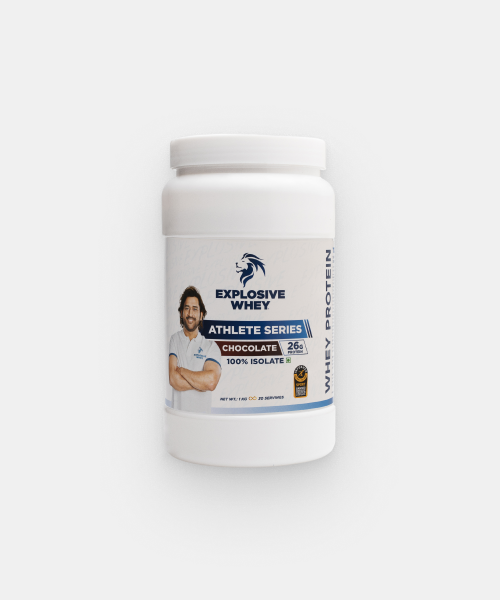
Whey protein digests quickly and absorbs fast. It provides all essential amino acids for repair. Whey protein powder benefits include faster muscle recovery. It reduces soreness after long runs. It is ideal post-marathon nutrition.
Plant-Based Protein Powder
Plant protein powders suit dairy-sensitive runners. They digest gently and support gut comfort. Blends improve amino acid balance. They support muscle recovery protein powder needs. Plant proteins are suitable for daily use.
Whole Food Protein Sources
For runners, whole foods provide protein along with essential marathon nutrition. They support long-term recovery and overall health.
Eggs and Dairy Foods
Eggs and dairy offer complete protein sources. They support muscle repair and bone health. Calcium improves bone strength. These foods fit well into recovery meals. They are easy to include daily.
Lean Meat Options
Lean meats provide high-quality protein. They support muscle rebuilding and strength. Iron improves oxygen delivery in the body. This helps endurance recovery. Lean meats support long-term performance.
Plant Protein Foods
Beans, lentils, and tofu provide plant-based protein. They also contain fiber for digestion. These foods support gut health. Plant proteins improve nutrition balance. They suit vegetarian runners well.
Protein Blends for Runners
Protein blends combine nutrients for complete recovery. They are easy to digest and prepare. Blends support both muscle and energy recovery.
Whey Protein with Banana and Oats
This blend combines protein and carbohydrates. It restores muscle glycogen effectively. Oats provide sustained energy. Banana supports potassium balance. Ideal for post-marathon recovery meals.
Plant Protein with Nut Butter and Fruits
This blend provides protein, fats, and antioxidants. Nut butter adds calories for recovery. Fruits reduce oxidative stress. This supports gentle recovery. It suits sensitive digestion.
Protein Timing for Complete Recovery
Protein timing is as important as protein quantity. Proper timing improves absorption and effectiveness. Strategic intake speeds healing.
Immediate Post Marathon Nutrition
Protein within 30–60 minutes starts muscle repair quickly. This window maximizes nutrient absorption. Carbs improve protein effectiveness. Early intake reduces muscle breakdown. Fast action speeds recovery.
Protein Intake Throughout the Day
Spreading protein across meals supports continuous repair. It prevents muscle breakdown between meals. Regular intake maintains energy levels. Consistency improves recovery quality. Small, frequent doses work best.
Evening Recovery Nutrition Strategy
Evening protein supports overnight muscle repair. Slow-digesting protein works during sleep. Better sleep improves healing. Night nutrition completes recovery cycles. This reduces next-day soreness.
Recovery Day Protein Planning
Protein intake should remain high on rest days. Recovery continues beyond race day. Planned meals prevent under-eating. Consistency improves full recovery. Rest days are critical.
Protein for runner recovery is essential after completing a marathon. It repairs muscles, strengthens immunity, and supports hormonal balance. Choosing the right protein sources and timing intake properly improves recovery after marathon events. With smart nutrition, runners recover faster and return stronger.
FAQ
1. How does protein help overall recovery after a marathon?
Protein repairs muscle damage, supports immunity, and reduces soreness after long-distance running. It also helps restore strength and energy.
2. When should runners take protein after a marathon?
Protein should be taken within 30–60 minutes post-marathon and spread across the day. This timing improves recovery speed.
3. Do protein shakes help with full-body recovery?
Yes, protein shakes support muscle, immune, and energy recovery. They are especially helpful when whole meals are delayed.
4. What is the best protein source for runners after running?
Whey protein for quick recovery or balanced whole foods like eggs and plant proteins work best. The choice depends on digestion and preference.


Leave a comment
This site is protected by hCaptcha and the hCaptcha Privacy Policy and Terms of Service apply.