
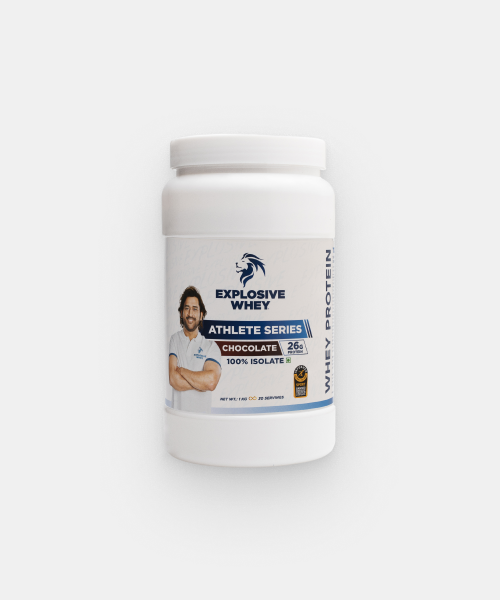
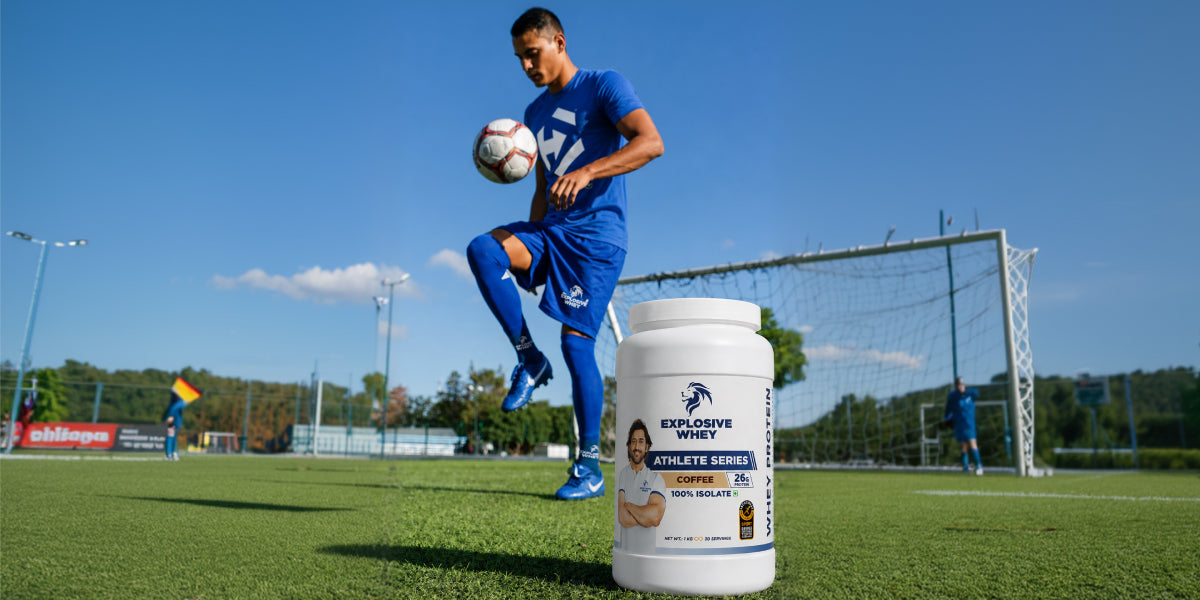
If you work out regularly, you already know that what you eat after training matters just as much as the workout itself. Whey Protein Isolate is one of the most effective supplements you can take to speed up recovery and help your muscles rebuild faster. It is fast-digesting, high in protein, and very low in fat and lactose - making it a go-to choice for athletes, gym-goers, and anyone serious about their fitness goals.
In this blog, we'll break down everything you need to know about whey protein isolate for post-workout recovery, how it fits into an athlete's diet, and why it beats other protein options when it comes to performance and results.
How Whey Protein Isolate Supports Recovery
When you exercise hard, your muscle fibers break down. Your body then uses protein to repair and rebuild those fibers. Whey protein isolate gives your muscles a quick supply of high-quality protein right when they need it most.
It is processed to remove most of the fat, carbs, and lactose, leaving behind a very pure form of protein - usually above 90% protein by weight. This means your body gets more protein per scoop with very little extra. The fast absorption rate means amino acids reach your muscles quickly, helping start the repair process almost immediately after your workout.
Athletes who use whey protein isolate after training often notice less soreness, better energy levels the next day, and stronger overall performance over time.
Whey Protein Isolate in Athlete Diet Plans
A well-planned diet plan for athletes always includes enough protein to support training and recovery. Whey protein isolate makes it easy to hit your daily protein goals without adding too many extra calories.
For most athletes, the goal is to get 1.4g to 2g of protein per kilogram of body weight each day. Whole foods like eggs, chicken, and lentils help, but getting enough protein from food alone can be difficult, especially after intense training. Adding whey protein isolate to your post-workout routine fills that gap quickly and efficiently.
It also pairs well with other foods in your diet. Whether you blend it into a smoothie, mix it with oats, or combine it with fruits, it adapts easily to any complete post-workout nutrition plan.
Why Post-Workout Recovery Matters

Recovery is not just rest. It is a full biological process where your body repairs damage, restores energy, and gets stronger. Skipping proper post-workout nutrition slows this process and can lead to poor performance, fatigue, and even injuries over time.
Repairs Muscle Tissue Post-Workout
After training, your muscle fibers have small tears that need to be fixed. Protein is the main building block your body uses for this repair. Whey protein isolate delivers a complete set of essential amino acids fast, giving your muscles exactly what they need. This helps reduce downtime between sessions and supports consistent progress in strength and endurance.
Restores Glycogen and Energy Levels
During exercise, your body uses glycogen - stored carbohydrates in your muscles - as a primary fuel source. Once glycogen runs low, fatigue sets in. While carbohydrates are the key to restoring glycogen, protein consumed alongside carbs can speed up this process. Pairing whey protein isolate with a carb source post-workout helps your body recover energy levels faster and prepares you for your next session.
Reduces Muscle Soreness and Fatigue
Delayed onset muscle soreness (DOMS) is the stiffness and pain you feel 24-48 hours after a tough workout. Studies show that high-quality protein consumed soon after training can lower the intensity of this soreness. Whey protein isolate, with its rich BCAA profile, particularly leucine, helps reduce inflammation and muscle breakdown, making your recovery faster and more comfortable.
Supports Consistent Athletic Performance
Recovery directly affects performance. If your muscles have not fully recovered, your next training session suffers. Regular use of whey protein isolate after workouts keeps your recovery on track, helping you train harder, more often, and with better results. Athletes who prioritize post-workout nutrition consistently outperform those who skip it.
What Makes Whey Isolate Effective
Not all protein supplements are the same. Here is what sets whey protein isolate apart from the rest.
Fast-Digesting Protein for Athletes
Whey protein isolate is one of the fastest-digesting proteins available. After a workout, your body is in a state where it actively absorbs nutrients. Whey isolate gets into your bloodstream quickly, delivering amino acids to your muscles within 30-60 minutes. This speed makes it far more effective for post-workout use than slower proteins like casein.
High Protein and Low Lactose Content
Whey protein isolate typically contains 90% or more protein per serving with very little lactose. This makes it a great option for people who are lactose sensitive but still want the benefits of dairy-based protein. Less lactose also means less bloating and better digestion, especially right after an intense training session.
Essential Amino Acids and BCAA Profile
Whey isolate contains all nine essential amino acids, which your body cannot make on its own. It is especially rich in BCAAs - branched-chain amino acids like leucine, isoleucine, and valine. Leucine, in particular, acts as a direct signal to your body to start building muscle. A strong whey protein amino acid profile is one of the key reasons isolate works so well for recovery and muscle growth.
Importance for Athletic Performance
Athletes put their bodies under heavy stress every day. Consistent recovery through proper nutrition is what keeps performance levels high over weeks and months of training. Whey protein isolate helps maintain lean muscle mass, supports strength gains, and reduces the breakdown of muscle tissue during intense training periods. This makes it one of the best protein supplements for athletes across all sports.
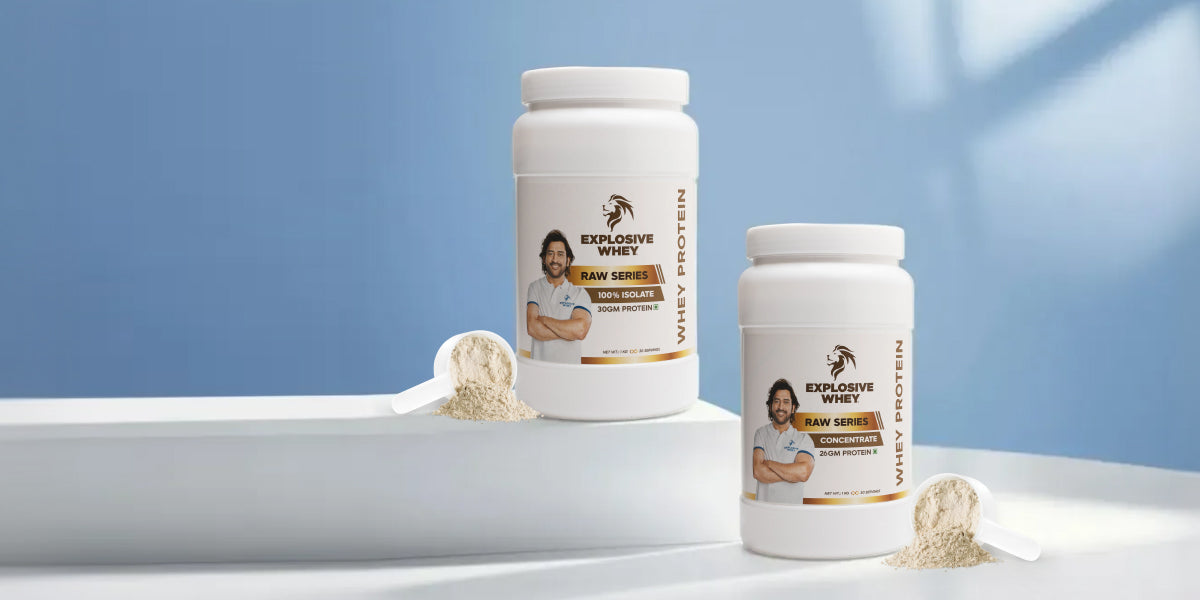
Whey Concentrate vs Isolate Comparison

If you have ever searched for a protein powder, you have probably come across both whey concentrate and whey isolate. They come from the same source - milk - but they are processed differently.
Protein Purity and Filtration Differences
Whey concentrate goes through basic filtration and contains around 70-80% protein by weight, along with small amounts of fat and carbohydrates. Whey isolate goes through additional filtration - often cross-flow microfiltration or ion exchange - which removes most of the fat, carbs, and lactose, resulting in 90%+ protein content. This extra step is what makes isolating the purer option for those focused on lean gains and clean nutrition.
Digestion Speed and Absorption Rate
Because whey isolate has less fat and carbs, it digests faster than concentrate. This faster absorption is a key advantage for post-workout use, when your muscles are ready to take in nutrients quickly. Whey concentrate, while still good, absorbs slightly slower and may cause mild digestive discomfort in people who are sensitive to lactose.
Best Choice for Lean Muscle Recovery
If your goal is lean muscle recovery with minimal extra calories, whey isolate is the better pick. Its high protein concentration and low calorie count make it ideal for athletes in cutting phases or those who want to build muscle without gaining fat. For a full breakdown of the differences, check out this guide on whey protein isolate vs concentrate.
Post-Workout Recovery Comparison
In terms of recovery, whey isolate has the edge. It reaches the muscles faster, provides more protein per serving, and is gentler on the stomach. Whey concentrate still works well for general daily protein needs and is more budget-friendly, but for post-workout recovery specifically, isolate delivers better and faster results.
Whey Protein Isolate Recovery Benefits
Here is a closer look at the specific recovery benefits you get from using whey protein isolate consistently.
Supports Faster Muscle Repair Process
The amino acids in whey isolate - especially leucine - trigger muscle protein synthesis, the process your body uses to repair and build muscle tissue. This happens faster with whey isolate than with most other protein sources. Regular use after workouts means your muscles spend less time damaged and more time growing and getting stronger.
Helps Reduce Muscle Soreness Levels
Muscle soreness is a sign that your body is adapting, but too much soreness can slow you down. Whey protein isolate provides anti-inflammatory amino acids that help manage post-exercise soreness. Athletes who take it consistently after training report shorter recovery windows and less painful soreness between sessions.
Improves Recovery Between Training Sessions
The faster your muscles recover, the sooner you can train again at full intensity. Whey protein isolate helps shorten the recovery time between sessions by supplying the building blocks for muscle repair immediately after exercise. This is especially valuable for athletes who train multiple times per week.
Supports Lean Strength and Performance
Whey isolate supports muscle repair without unnecessary fat or carbohydrate loading. This makes it perfect for maintaining lean body composition while still building strength. Over time, athletes who use whey isolate consistently show better strength-to-weight ratios and improved overall performance in their sport.
Best Post-Workout Nutrition Combinations

Whey protein isolate works even better when paired with the right foods and supplements. Here are the most effective combinations.
Whey Protein with Banana and Oats
A banana provides fast-digesting carbohydrates that help restore glycogen quickly. Oats add fiber and slow-release energy that keeps you fueled for longer. Blending whey isolate with a banana and oats after a workout creates a complete post-workout meal - protein for muscle repair, carbs for energy restoration, and fiber for sustained recovery.
Combining Creatine with Whey Isolate
Creatine is one of the most researched performance supplements available. When combined with whey protein isolate, it supports both strength and recovery. Creatine helps replenish energy in muscles, while whey isolate handles protein synthesis. Together, they create a strong post-workout stack for athletes looking to build strength and recover faster.
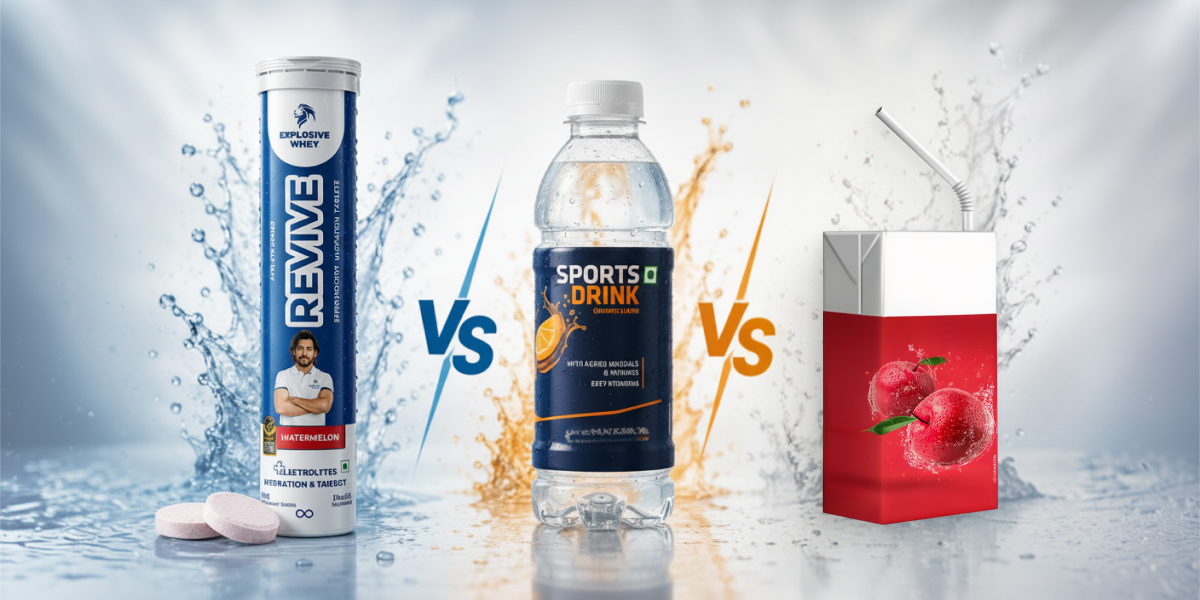
Electrolytes and Hydration Recovery Support
Sweating during exercise causes the loss of key electrolytes like sodium, potassium, and magnesium. Restoring these after a workout is just as important as protein intake. Pairing whey isolate with an electrolyte drink or hydration support helps your body rehydrate fully and supports muscle function during recovery.
High Carb Foods for Glycogen Recovery
For endurance athletes or those doing high-intensity training, glycogen restoration is a top priority. Foods like sweet potato, white rice, or whole grain bread alongside a whey isolate shake create an ideal recovery meal. The carbs refuel your energy stores while the protein handles muscle repair - a combination that covers all bases of post-workout recovery.
Best Time to Take Whey Protein Isolate
Timing your protein intake can make a meaningful difference in how well you recover. Here is when to take whey protein isolate for the best results.
Post-Workout Anabolic Recovery Window
The 30-60 minutes after a workout is often called the anabolic window - a period where your muscles are most receptive to nutrients. Taking whey protein isolate during this window helps maximize muscle protein synthesis and speeds up recovery. For a complete guide on timing, refer to this detailed article on the best time to take whey protein.
Morning Protein Intake for Athletes
Starting your day with protein helps prevent muscle breakdown that can occur overnight. Taking whey protein isolate in the morning - either on its own or as part of breakfast - ensures your body has a steady supply of amino acids early in the day. This is especially useful on training days when your protein needs are higher.
Recovery Nutrition Between Training Sessions
For athletes who train twice a day or have back-to-back sessions, getting protein between workouts is critical. A whey isolate shake between sessions helps bridge the gap and supports continuous muscle repair. It also prevents the fatigue that comes from under-fueling during heavy training blocks.
Daily Protein Timing for Muscle Support
Beyond the post-workout window, distributing your protein intake evenly across meals during the day supports muscle building and recovery. Aim for 20-40g of protein every 3-4 hours. Whey protein isolate can be used as one of those protein hits alongside whole food sources as part of a daily nutrition plan for athletes.
FAQ
1. What are the benefits of whey protein isolate after workouts?
Whey protein isolate helps repair muscle tissue, reduce soreness, and restore energy levels after a workout. It is fast-digesting, which means amino acids reach your muscles quickly to start the recovery process. It is also high in BCAAs - especially leucine - which directly triggers muscle protein synthesis. Because it is very low in fat and lactose, it is easy on the stomach and suitable for most people, including those with mild lactose sensitivity.
2. Is whey isolate better than whey concentrate for athletes?
For post-workout recovery specifically, yes - whey isolate has the edge. It is higher in protein purity (90%+), lower in fat and carbs, and absorbs faster than concentrate. This makes it more effective for lean muscle recovery and suitable for athletes in both bulking and cutting phases. Whey concentrate is a good everyday protein option and is more affordable, but when recovery speed and purity matter, isolate performs better. You can read a full comparison in this whey protein isolate vs concentrate guide.
3. When should I take whey protein isolate for recovery?
The best time is within 30-60 minutes after your workout, during the post-workout recovery window when your muscles are most ready to absorb nutrients. You can also take it first thing in the morning to prevent muscle breakdown, or between training sessions if you train multiple times a day. For daily muscle support, try to spread your protein intake throughout the day rather than taking it all at once.
4. Can whey protein isolate support muscle growth?
Yes, absolutely. Whey protein isolate contains all nine essential amino acids and is rich in leucine, which directly stimulates muscle protein synthesis - the process your body uses to grow and repair muscle. When combined with regular strength training and a well-planned diet, whey isolate supports meaningful muscle growth over time. It also helps preserve lean muscle during calorie deficits, making it useful for both building and maintaining muscle mass.

Leave a comment
This site is protected by hCaptcha and the hCaptcha Privacy Policy and Terms of Service apply.